
Ametropodidae
Genus Guides
1- Ametropus(sand minnows)
is a of mayflies in the order Ephemeroptera. The family contains at least three : Ametropus, Brevitibia, and Palaeometropus. within this family are primarily found in large river systems. The family is classified within the superfamily Baetoidea, which includes some of the most primitive living species.
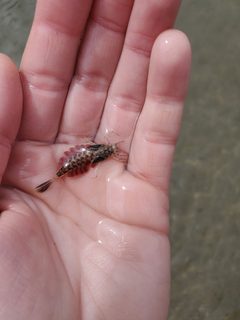
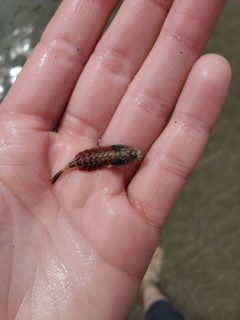
Pronunciation
How to pronounce Ametropodidae: /ˌæməˌtrɒpəˈdaɪdiː/
These audio files are automatically generated. While they are not always 100% accurate, they are a good starting point.
Images
Habitat
Distribution
Documented from the Athabasca River in northeastern Alberta, Canada; the Sava River basin in Croatia including the Kupa, Una, and Bosut rivers; and distribution records from Denmark and Norway.
Seasonality
Extended period during June and July for Ametropus neavei in northern Alberta.
Diet
Small-particle . The of Ametropus neavei in the Athabasca River is almost entirely composed of small-particle detritivores.
Life Cycle
with some overlap of .
More Details
Taxonomic composition
The contains at least three : Ametropus (Albarda, 1878), Brevitibia (Demoulin, 1968), and Palaeometropus (Sinitshenkova, 2000). The genus Palaeometropus is known only from fossil records.
Research limitations
Most biological information for this comes from studies of Ametropus neavei in Canada and Ametropus fragilis in Croatia. Data for other and remain limited.
Sources and further reading
- BugGuide
- Wikipedia
- GBIF taxonomy match
- iNaturalist taxon
- NCBI Taxonomy
- Catalogue of Life
- Distribution, habitat preferences and genetic diversity of Ametropus fragilis Albarda, 1878 (Ephemeroptera: Ametropodidae) in Croatia
- OBSERVATIONS ON THE BIOLOGY OF AMETROPUS NEAVEI (EPHEMEROPTERA: AMETROPODIDAE) FROM A LARGE RIVER IN NORTHERN ALBERTA, CANADA