
Neoleptophlebia memorialis
(Eaton, 1884)
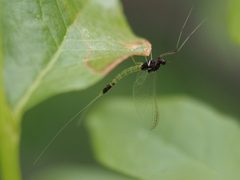
Neoleptophlebia memorialis is a of in the Leptophlebiidae, originally described by Eaton in 1884. As a member of this family, it belongs to a group of mayflies commonly known as prong-gilled mayflies, characterized by their distinctive gill structures. The species is part of the Neoleptophlebia, which contains several North American species. Very few observations of this species have been recorded, suggesting it may be rare, geographically restricted, or underreported.
Pronunciation
How to pronounce Neoleptophlebia memorialis: /ˌniː.oʊˌlɛp.toʊˈfliːbiə mɛm.oʊˈriːɑːlɪs/
These audio files are automatically generated. While they are not always 100% accurate, they are a good starting point.
Identification
Identification of Neoleptophlebia memorialis requires examination of gill structures, wing venation, and genitalia, as is standard for Leptophlebiidae. The Neoleptophlebia is distinguished from related genera by specific characteristics of the male genitalia and gill . -level identification within the genus depends on subtle differences in these structures and coloration patterns. Definitive identification typically requires male specimens and comparison with type material or authoritative keys.
Images
Habitat
As a member of Leptophlebiidae, the is associated with freshwater lotic environments. The generally inhabits cool, well-oxygenated streams and rivers with rocky or gravel substrates.
Distribution
The has been recorded in North America. Specific locality data is sparse, with only two observations documented in iNaturalist as of the available data.
Life Cycle
As with all Ephemeroptera, Neoleptophlebia memorialis has an aquatic nymphal stage and terrestrial stage. The nymph develops in freshwater, undergoing multiple instars before . Adults are short-lived and do not feed.
Ecological Role
Nymphs function as or collectors in stream , processing detritus and . serve as prey for fish, birds, and other . The contributes to nutrient cycling between aquatic and terrestrial through events.
Similar Taxa
- Neoleptophlebia mollisCongeneric with overlapping distribution; distinguished by subtle differences in male genitalia and body coloration
- Neoleptophlebia adoptivaAnother North American ; requires careful examination of abdominal sterna and gill details for separation
- Leptophlebia speciesRelated in the same ; differs in gill structure and genital , particularly the number and arrangement of gill filaments
More Details
Taxonomic History
Originally described by A.E. Eaton in 1884, this has received limited modern taxonomic attention. The Neoleptophlebia was established to accommodate species previously placed in Leptophlebia that showed distinct morphological differences.
Data Deficiency
With only two documented observations in citizen science databases and limited published records, this represents a significant gap in biodiversity knowledge. Its conservation status and trends are unknown.