Metopia sinipalpis
Allen, 1926
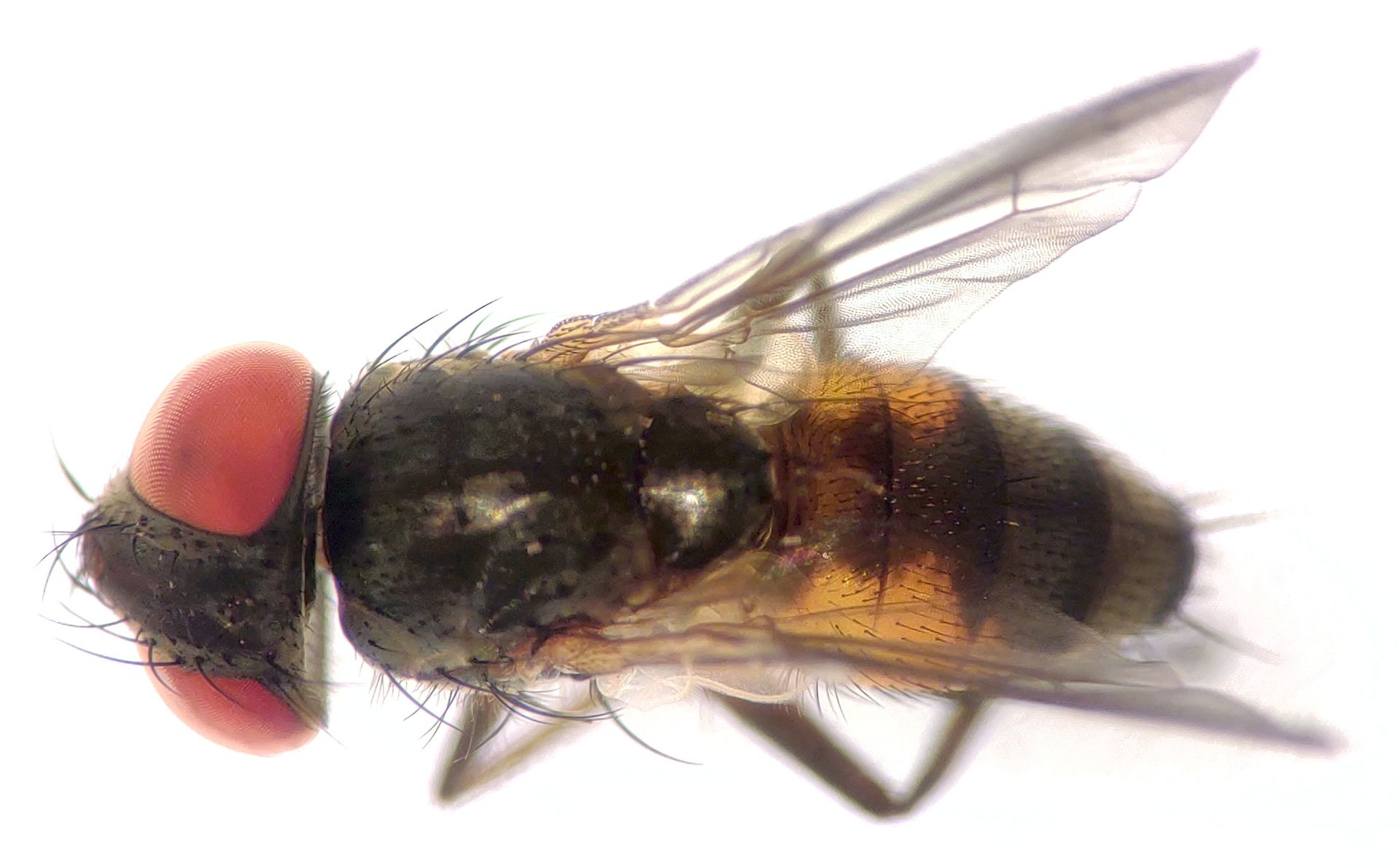
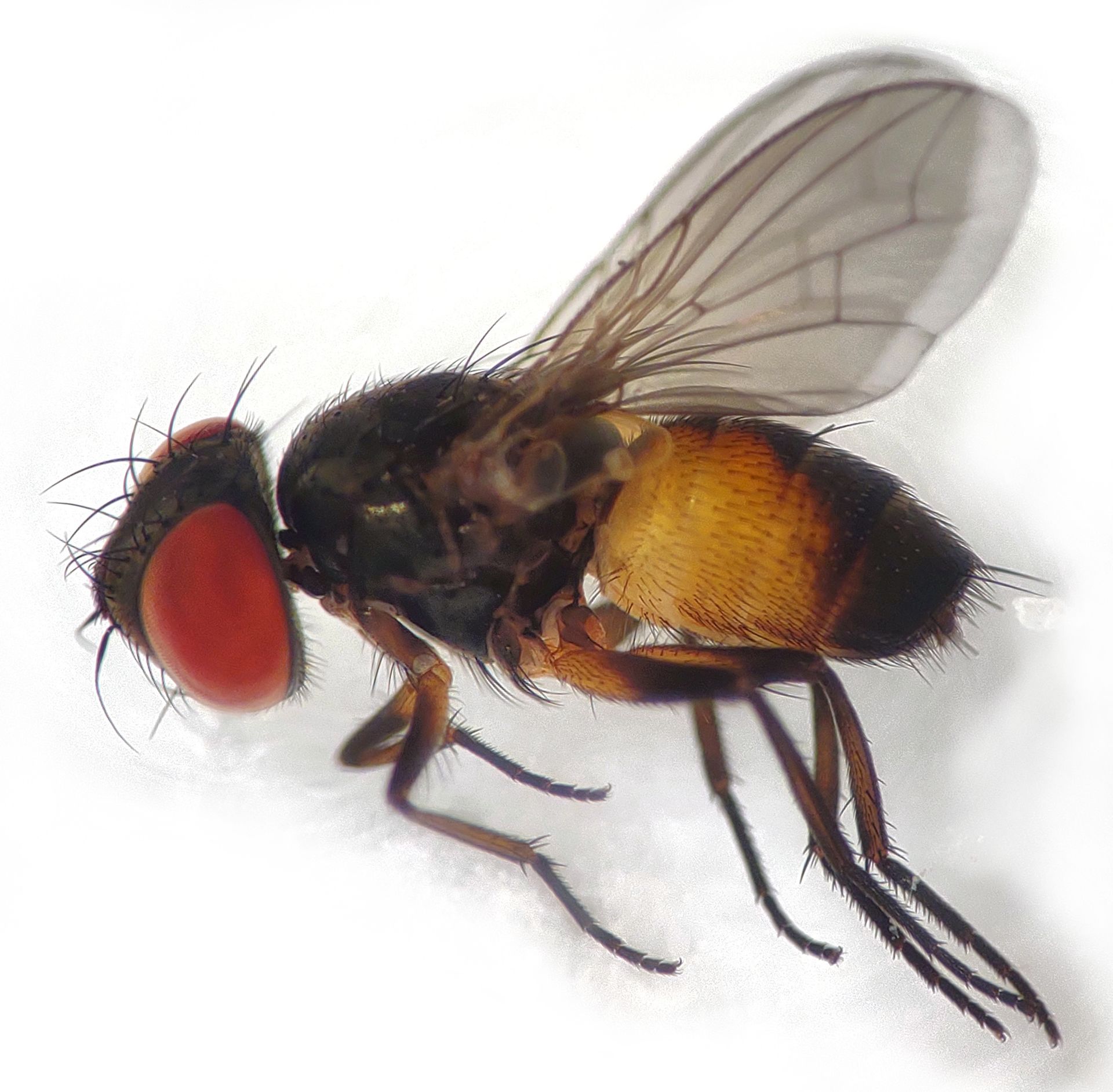
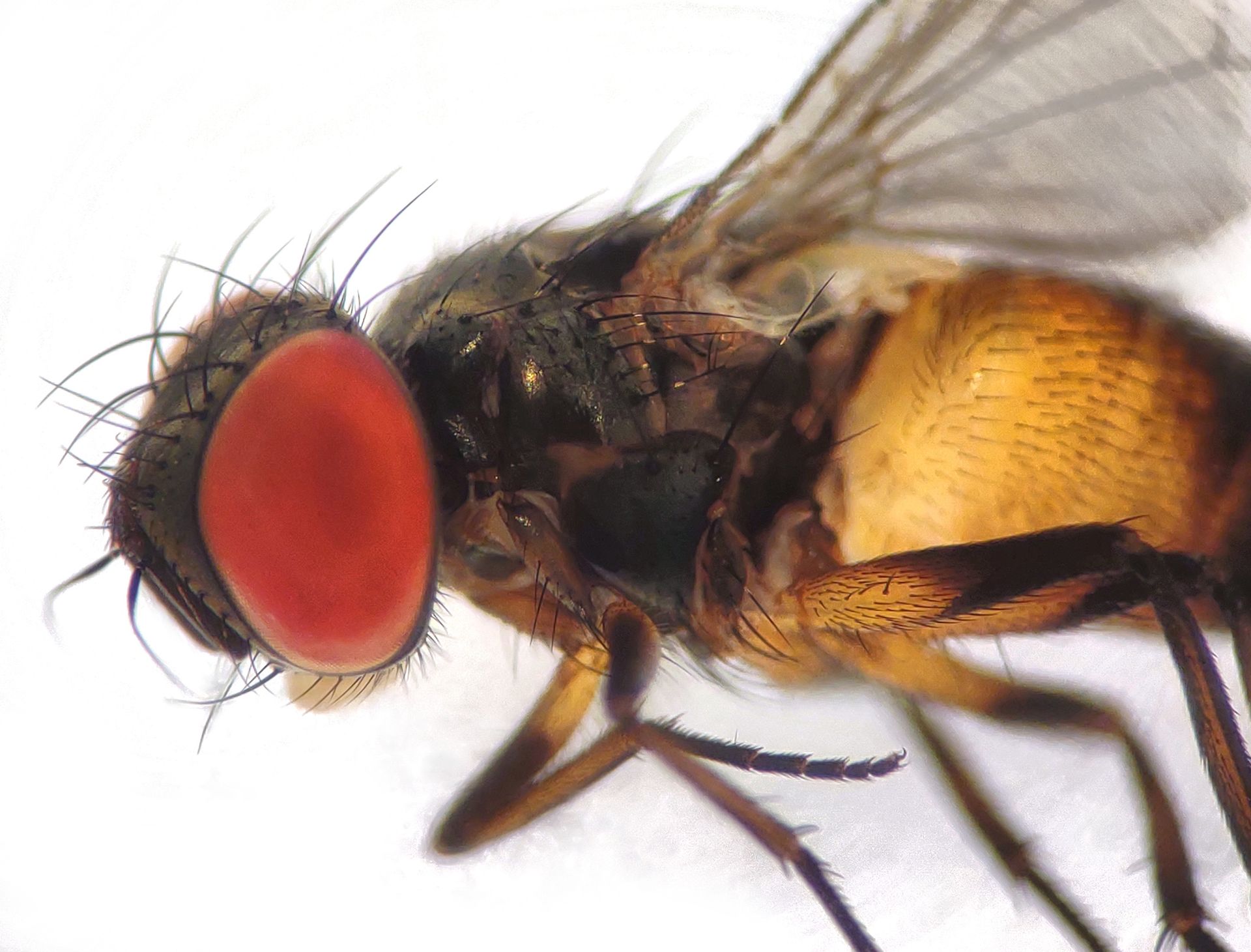
Metopia sinipalpis is a of satellite fly in the Sarcophagidae, Miltogramminae. The Metopia comprises kleptoparasitic flies whose larvae parasitize the nests of solitary . Like other members of this genus, M. sinipalpis likely targets burrowing wasps, with females following wasps to their nests to deposit larvae. The species was described by Allen in 1926 and is recorded from Brazil (Santa Catarina) and the United States.
Pronunciation
How to pronounce Metopia sinipalpis: /mɛˈtoʊpiə ˌsɪnɪˈpælpɪs/
These audio files are automatically generated. While they are not always 100% accurate, they are a good starting point.
Identification
Metopia are distinguished from other Miltogramminae by their characteristic facial structure and . Specific diagnostic features for M. sinipalpis are not well documented in available sources. The can be recognized by the combination of: females with a relatively broad , with on basal half or more, and a generally robust body form typical of sarcophagid flies. Accurate identification to species level likely requires examination of male terminalia and comparison with .
Images
Habitat
Based on records from Brazil (Santa Catarina) and the United States, the occurs in regions where are active. As a satellite fly, its is defined by the nesting sites of its host wasps, which typically include sandy or bare soil areas suitable for burrowing wasp species.
Distribution
Recorded from Brazil (Santa Catarina) and the United States. The sparse distribution records suggest it may be uncommon or undercollected.
Diet
likely feed on nectar and other sugary substances. Larvae are that feed on the prey provisions (paralyzed insects, primarily caterpillars or bees) stored in nests.
Host Associations
- Ammophila procera - Metopia laterallis (congeneric ) is a documented ; M. sinipalpis may have similar associations
- Philanthus gibbosus - Metopia (including M. argyrocephala) are documented of beewolves
Life Cycle
Females are larviparous, depositing live larvae rather than . The female fly follows a back to its nest burrow, then deposits larvae at the nest entrance. The larvae crawl into the burrow and feed on the paralyzed prey stored for the wasp's offspring, often destroying the wasp egg or larva in the process. Development occurs within the host nest , with flies emerging from the nest.
Behavior
Exhibits kleptoparasitic typical of satellite flies: females actively follow (especially females returning with prey), locate nest entrances, and larviposit at the burrow lip. This requires visual tracking of host wasps and likely involves chemical cues as well.
Ecological Role
Acts as a of solitary , potentially regulating of beneficial predatory wasps. The ecological impact is likely limited by the relative rarity of these flies compared to populations.
Human Relevance
No direct human relevance documented. Indirectly, by parasitizing beneficial that control caterpillar pests, these flies may slightly reduce the pest control services provided by their .
Similar Taxa
- Metopia laterallisCongeneric with similar ; both are of Ammophila . Distinguished by subtle morphological differences in and thoracic structure.
- Senotainia vigilansAnother miltogrammine satellite fly parasitizing similar ; differs in facial markings and larviposition .
- HilarellaRelated of satellite flies with similar parasitic lifestyle; distinguished by differences in shape and antennal structure.
More Details
Taxonomic history
Described by Allen in 1926. The Metopia was revised by Pape (1987) in his monograph of the Sarcophagidae. The epithet 'sinipalpis' refers to the blue (sini-) palps, a distinctive color feature of the species.
Research gaps
Very little is known about the specific of M. sinipalpis compared to better-studied like M. laterallis and M. argyrocephala. Most information is inferred from -level characteristics and studies of related .