Hydrotaea ignava
(Harris, 1780)
black garbage fly
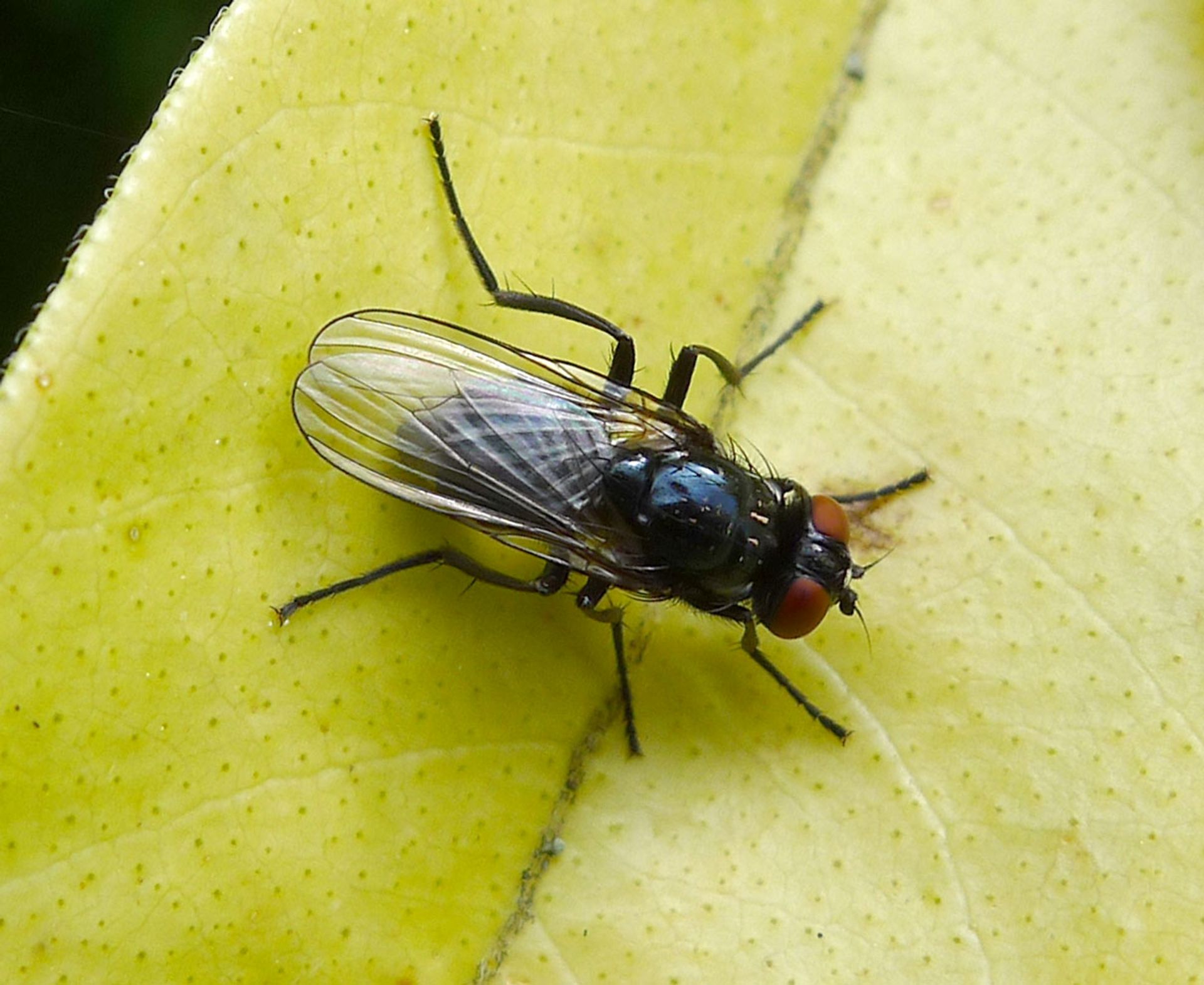
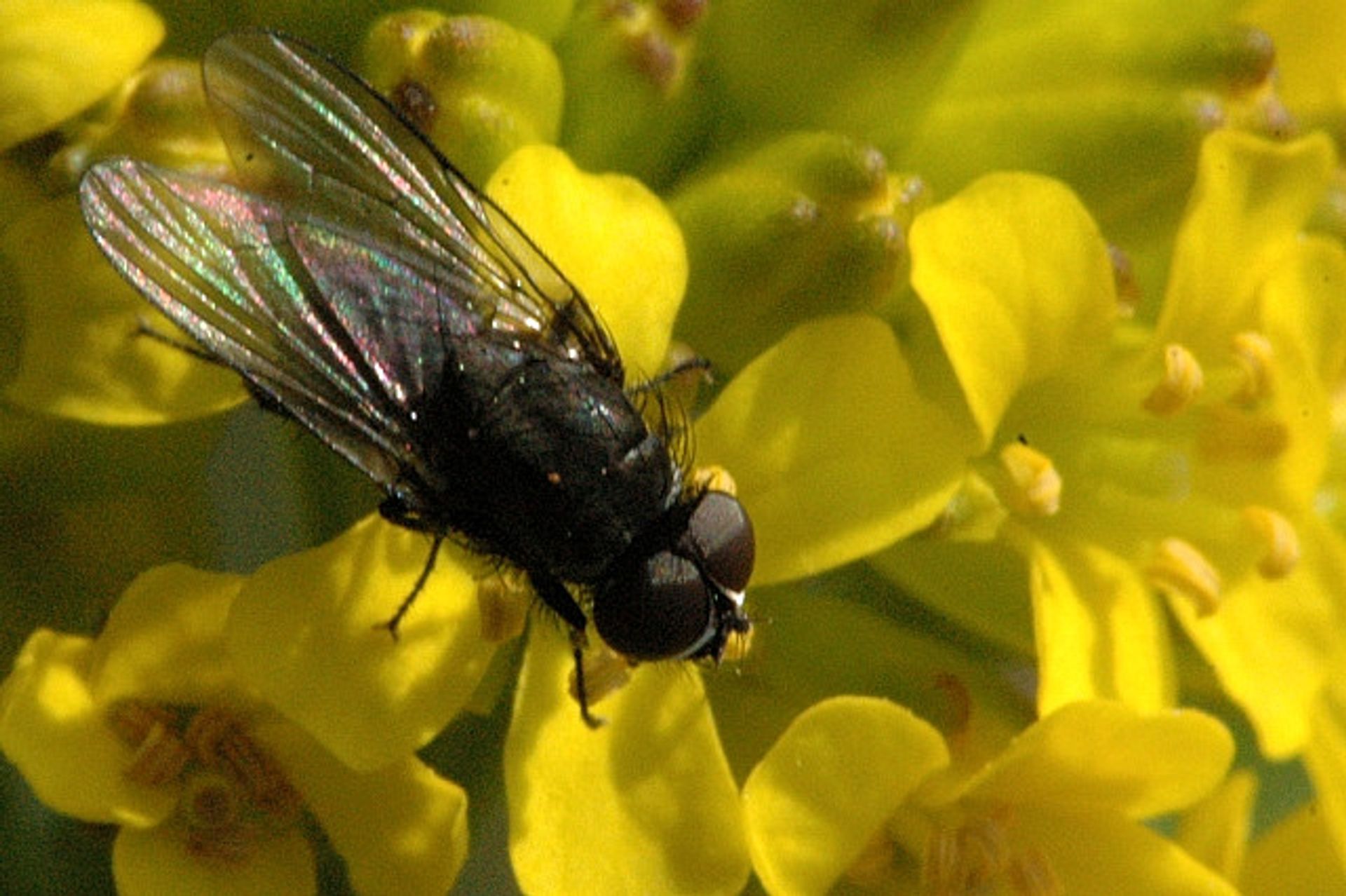
Hydrotaea ignava is a muscid fly commonly known as the black garbage fly. It is native to Europe, with records from Portugal (including the Azores and Madeira), Denmark, and Norway. The breeds in moist organic matter, particularly manure and decaying material in confined animal facilities. Its larvae are predatory on other fly larvae, including house fly maggots, and have been used in programs. are distinguished by their shiny bronze-black coloration and habit of remaining on food sources at night rather than dispersing to ceilings or vegetation.
Pronunciation
How to pronounce Hydrotaea ignava: /haɪˈdroʊtiə ɪɡˈneɪvə/
These audio files are automatically generated. While they are not always 100% accurate, they are a good starting point.
Identification
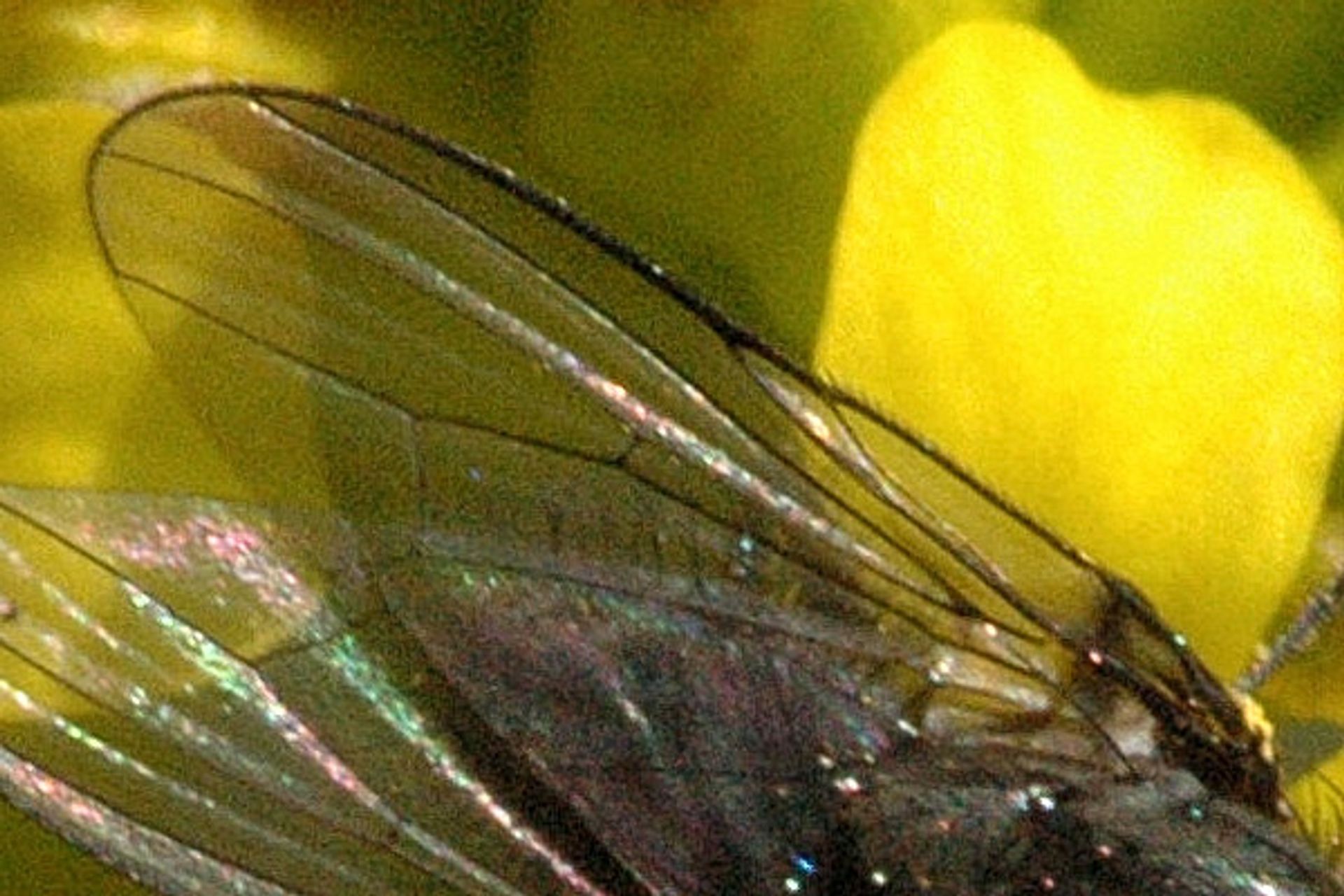
Distinguished from house flies (Musca domestica) by its shiny bronze-black coloration versus the gray with four dark stripes; from stable flies (Stomoxys calcitrans) by the absence of piercing mouthparts and the straight-back wing posture; from blow flies (Calliphoridae) by smaller size and less robust build. The combination of metallic black color, straight-back wing position, and association with manure in confined animal facilities aids identification. remain on food sources at night rather than resting on ceilings or vegetation, a behavioral difference from house flies.
Images
Habitat
Breeds in moist, decaying organic matter, particularly poultry and livestock manure, wet feed spills, and garbage in confined animal facilities. Requires higher moisture conditions than some related ; increase in wet manure. Found in dairies, poultry houses, feedlots, and similar agricultural settings where animal waste accumulates.
Distribution
Native to Europe. Documented occurrences include mainland Portugal, the Azores (Flores, São Miguel), Madeira, Denmark, and Norway. The has been introduced to North America and occurs in confined animal facilities in the United States, particularly in association with cattle and poultry operations.
Seasonality
Active year-round under suitable conditions in indoor or protected environments; peak when moisture levels in breeding substrates are high. In temperate regions, most abundant during warmer months when breeding conditions are optimal.
Diet
Larvae are predatory, feeding on other dipteran larvae including house fly maggots and potentially other manure-breeding fly larvae. feed on liquids and semi-liquids associated with decaying organic matter; specific adult feeding habits are not well documented.
Life Cycle
Complete with four stages: , larva (maggot), pupa, and . Eggs are laid in moist organic breeding substrate. Larval development occurs within the substrate; larvae are predatory on other fly larvae. Mature larvae pupate in drier areas. Under favorable conditions, development from egg to adult is rapid and similar in duration to the house fly (approximately 7–10 days at optimal temperatures). Multiple per year occur in suitable environments.
Behavior
tend to remain on their food source at night rather than dispersing to ceilings or outdoor vegetation. Females do not appear to fly long distances; documented up to approximately 5 miles (8 km) from breeding areas. Larvae actively prey on house fly larvae and can suppress house fly in manure. All life stages can tolerate cold weather and persist year-round in suitable microhabitats.
Ecological Role
Larvae function as of other manure-breeding flies, particularly house flies, and have been considered for of pest fly in confined animal facilities. Their predatory can reduce house fly numbers, though they may also reach nuisance population levels themselves. Part of the decomposer in manure-based .
Human Relevance
Considered a nuisance pest in poultry and livestock operations; can reach high densities and cause complaints from nearby . Larval on house flies has been exploited for , though the is not entirely beneficial due to its own potential to become a nuisance. Not known to bite or transmit to humans, but contributes to overall fly pest pressure in agricultural settings.
Similar Taxa
- Musca domestica (house fly)Similar size and ; distinguished by gray with four dark longitudinal stripes, non-metallic coloration, and wings not held straight back.
- Stomoxys calcitrans (stable fly)Similar size and agricultural ; distinguished by projecting forward, painful biting , and different wing posture.
- Ophyra aenescens (black dump fly)Congeneric with similar appearance and ; often occurs in the same and has been confused with H. ignava in literature.
- Calliphoridae (blow flies)Similar metallic coloration; distinguished by larger size, more robust body, stouter bristles, and preference for carrion over manure.
Misconceptions
Sometimes referred to as entirely beneficial due to larval on house flies; however, the can itself become a nuisance pest and is not recommended for deliberate introduction. Historical confusion with Ophyra aenescens in North American literature; some references to 'Ophyra' or 'black garbage fly' may apply to either species.
More Details
Taxonomic note
The has been transferred between , formerly placed in Ophyra (as Ophyra ignava). Current classification places it in Hydrotaea. Some older North American literature uses the synonym Ophyra ignava.
Biological control use
Larvae have been observed to exterminate house fly in poultry manure and have been investigated as agents. However, their effectiveness is limited by their own and moisture requirements.