
Muscinae
Tribe Guides
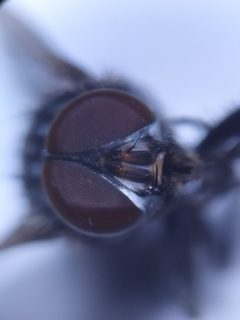
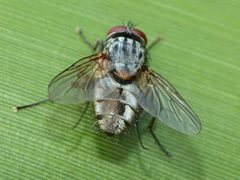
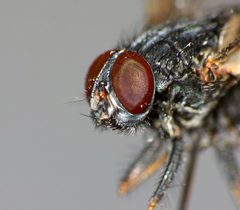
2Muscinae is a of muscid flies (Diptera: Muscidae) comprising approximately 10 and numerous worldwide. The group includes well-known species such as the house fly (Musca domestica) and related genera including Pyrellia, Ophyra, and Orthellia. Members are characterized by specific morphological features of the and stages that distinguish them from the sister subfamily Stomoxyinae. The subfamily has significant sanitary and forensic importance due to the habits of several species.
Pronunciation
How to pronounce Muscinae: /mjuːˈsɪni/
These audio files are automatically generated. While they are not always 100% accurate, they are a good starting point.
Identification
Distinguished from Stomoxyinae by morphological characters of the including details of structure and chaetotaxy; from other muscid by combinations of thoracic and abdominal bristle patterns and male genitalia structure. stages identified by : first and second instars with two openings, third instar with sinuous opening pattern characteristic of Muscinae. Australian fauna includes 10 with 20 ; keys to genera and species available for this region.
Images
Habitat
Larvae develop in decaying organic matter including animal , decomposing plant material, and carrion. Some associated with human corpses and animal carcasses. species abundant in human-built environments.
Distribution
Worldwide distribution. Australian fauna comprises 10 and 20 including three species (Musca cassara, Pyrellia attonita, Ophyra pallicornis). Several species erroneously recorded from Australia; some species newly recorded from Australia and New Guinea.
Diet
Larvae feed on decaying organic matter; some feed on tissues in wounds (myiasis). of some species feed on liquids associated with decomposition.
Life Cycle
Holometabolous with four stages: , three larval instars, pupa (), and . Eggs possess respiratory structures in the exochorion for embryonic . Larval development includes three instars with distinct morphological changes, particularly in spiracular structures. occurs within a puparium formed from the hardened third instar , with specialized respiratory horns for gas exchange during .
Ecological Role
Decomposers in processing decaying organic matter. Some act as mechanical of enteropathogens. Forensic importance due to predictable patterns on carrion.
Human Relevance
Major sanitary significance: Musca domestica and related are mechanical of , particularly in underdeveloped countries. Forensic importance in estimating postmortem intervals based on larval development on human remains. Some species cause wound myiasis in humans and animals. species are persistent pests in domestic and agricultural settings.
Similar Taxa
- StomoxyinaeSister within Muscidae; distinguished by morphological characters including structure and feeding habits (Stomoxyinae includes biting stable flies with piercing mouthparts, while Muscinae are generally non-biting with sponging mouthparts). stages also separable by morphological details.
- FanniinaeAnother muscid ; generally smaller with different wing venation and bristle patterns; larvae have distinct .
More Details
Taxonomic history
Australian Muscinae revised in 1973 with establishment of three new , two names raised from synonymy, one new generic and 16 new specific synonymies, and three new combinations. Numerous lectotypes designated to stabilize .
Ultrastructural research
Scanning electron microscopy studies have documented detailed morphological features of stages, supporting identification of , larvae, and pupae in forensic and sanitary contexts. These studies emphasize the need for knowledge of immature form in muscoid Diptera identification.