
Leia
Meigen, 1818
Species Guides
7Leia is a of fungus gnats in the Mycetophilidae, first described by Johann Wilhelm Meigen in 1818. These small, delicate flies are classified within the Leiinae and tribe Leiini. The genus comprises numerous distributed across various regions, with larvae typically developing in decaying organic matter and fungi. are generally found in moist, shaded where their larval food sources occur.
Pronunciation
How to pronounce Leia: /ˈleɪ.i.ə/
These audio files are automatically generated. While they are not always 100% accurate, they are a good starting point.
Identification
Distinguished from other Mycetophilidae by combination of: wing venation with reduced number of reaching the wing margin; absence of ocelli; with 14 flagellomeres in most ; and characteristic thoracic structure of the Leiinae. Most similar to the Leiella, from which Leia differs in details of wing venation and male genitalia structure. Identification to species level requires examination of male terminalia and often microscopic analysis of wing and antennal details.
Images
Appearance
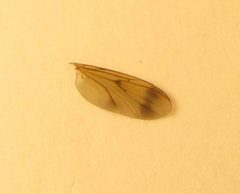
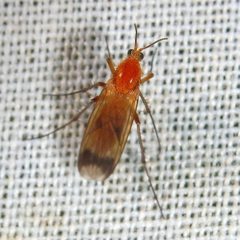
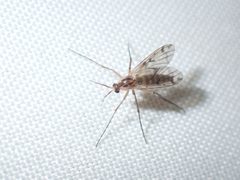
Small to minute flies, typically 3-6 mm in body length. Slender, delicate build with long, thin legs characteristic of the Mycetophilidae. Wings are usually clear or lightly patterned with reduced venation compared to some related fungus gnat . are relatively long and bead-like or . Coloration varies by but generally ranges from pale yellowish-brown to darker brown tones. The humpbacked profile typical of Leiinae is often evident.
Habitat
Moist, shaded environments including deciduous and coniferous forests, riparian zones, and wetlands. Larval include decaying wood, leaf litter, humus, fungi, and other decomposing organic substrates. are often found resting on vegetation near larval development sites, particularly in damp, cool microhabitats.
Distribution
Widespread across the Holarctic region with records from Europe, Asia, and North America. Additional records from other regions including parts of the Neotropics and Oriental region, though comprehensive global distribution data remains incomplete for many .
Seasonality
activity generally peaks during spring through autumn in temperate regions, with exact timing varying by latitude and local climate. Many show bimodal or extended periods corresponding to favorable moisture conditions. In tropical regions, activity may occur year-round with peaks during wet seasons.
Life Cycle
Complete with four stages: , larva, pupa, and . Larvae are mycetophagous or saprophagous, feeding on fungal , spores, and decaying plant matter. Development time varies with temperature and substrate quality. occurs in or near the larval substrate. Adults do not feed substantially or feed only on liquids such as honeydew or fungal exudates.
Behavior
are generally slow-flying and weak dispersers, rarely moving far from sites. Males often form small swarms or near larval to attract females. Both sexes are frequently observed resting on leaves, trunks, and other surfaces in shaded, humid locations. Activity patterns are typically or in shaded conditions, with reduced activity during bright, dry periods.
Ecological Role
Larvae contribute to decomposition processes and nutrient cycling through their feeding on fungi and decaying organic matter. They serve as prey for various including other insects, spiders, and small vertebrates. may function as minor of certain fungi or contribute to fungal spore , though this role is not well documented.
Human Relevance
Of minimal direct economic importance. Occasionally encountered by entomologists and naturalists in forest surveys and biodiversity assessments. Some may be indicators of old-growth forest conditions or specific microhabitat qualities. Not known as significant pests or .
Similar Taxa
- LeiellaAlso in tribe Leiini; distinguished by wing venation details and male genitalia structure
- MycetophilaIn same but different (Mycetophilinae); has more complete wing venation and different thoracic structure
- SciaraIn Sciaridae; similar general appearance but distinguished by wing venation with a distinct anal lobe and different antennal structure
More Details
Taxonomic history
The was established by Meigen in 1818 with Leia bimaculata as the type . The Leiinae and tribe Leiini were erected based substantially on the characteristics of this genus and its close relatives. Numerous species have been described, particularly from European and North American faunas, with many tropical species remaining undescribed.
Research significance
Leia are frequently collected in ecological studies of forest and are used as indicators in assessments of quality and conservation status, particularly in European old-growth forest research.
Sources and further reading
- BugGuide
- Wikipedia
- iNaturalist taxon
- NCBI Taxonomy
- Catalogue of Life
- Introducing Bees to Children | Bug Squad
- Mudo Pryfed (Rhan 1) - Buglife Blog - Buglife
- Dod o hyd I Sally; y blog DNA - Buglife Blog - Buglife
- The possible impact of levosimendan infusions on clinical course of heart failure: the results of the LEIA-HF study.