
Mycetophilinae
fungus gnats
Tribe Guides
2- Exechiini
- Mycetophilini(fungus gnats)
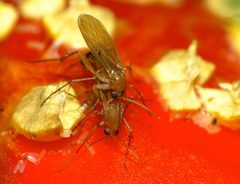
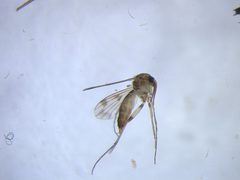
Mycetophilinae is a of fungus gnats within the Mycetophilidae. It contains more than 30 and approximately 2,000 described , organized into two tribes: Exechiini and Mycetophilini. Members are classified in the suborder , a group of 'primitive' flies characterized by aquatic or moisture-dependent larval stages. The subfamily is distinguished from related fungus gnat subfamilies by specific morphological and taxonomic criteria, though precise diagnostic features for the subfamily level are not detailed in available sources.
Pronunciation
How to pronounce Mycetophilinae: /ˌmaɪsɛtoʊˈfɪlɪniː/
These audio files are automatically generated. While they are not always 100% accurate, they are a good starting point.
Identification
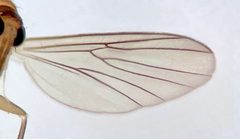
Mycetophilinae can be distinguished from the related Sciophilinae within Mycetophilidae by taxonomic placement, though specific morphological characters separating these subfamilies are not clearly documented in available sources. Within the broader fungus gnat complex, Mycetophilidae (including Mycetophilinae) differ from Sciaridae (dark-winged fungus gnats) in that the do not meet above the in Mycetophilidae, whereas they do in Sciaridae. Specimens are generally 5–10 mm in length, though this size range overlaps with some Sciaridae and cannot be used alone for identification.
Images
Habitat
Larvae are associated with aquatic or moist environments, as is characteristic of generally. Available sources do not specify distinct preferences that separate Mycetophilinae from other fungus gnat .
Similar Taxa
- SciophilinaeAnother within Mycetophilidae; taxonomic separation exists but specific distinguishing morphological characters are not detailed in available sources
- SciaridaeDark-winged fungus gnats that resemble Mycetophilidae; distinguished by that meet above the and generally smaller size (typically under 5 mm)
- ChironomidaeNon-biting midges that can resemble fungus gnats in fossil and general appearance; distinguished by longer front , longer and relatively narrower wings, and in males