Hymenorus farri
Campbell, 1971
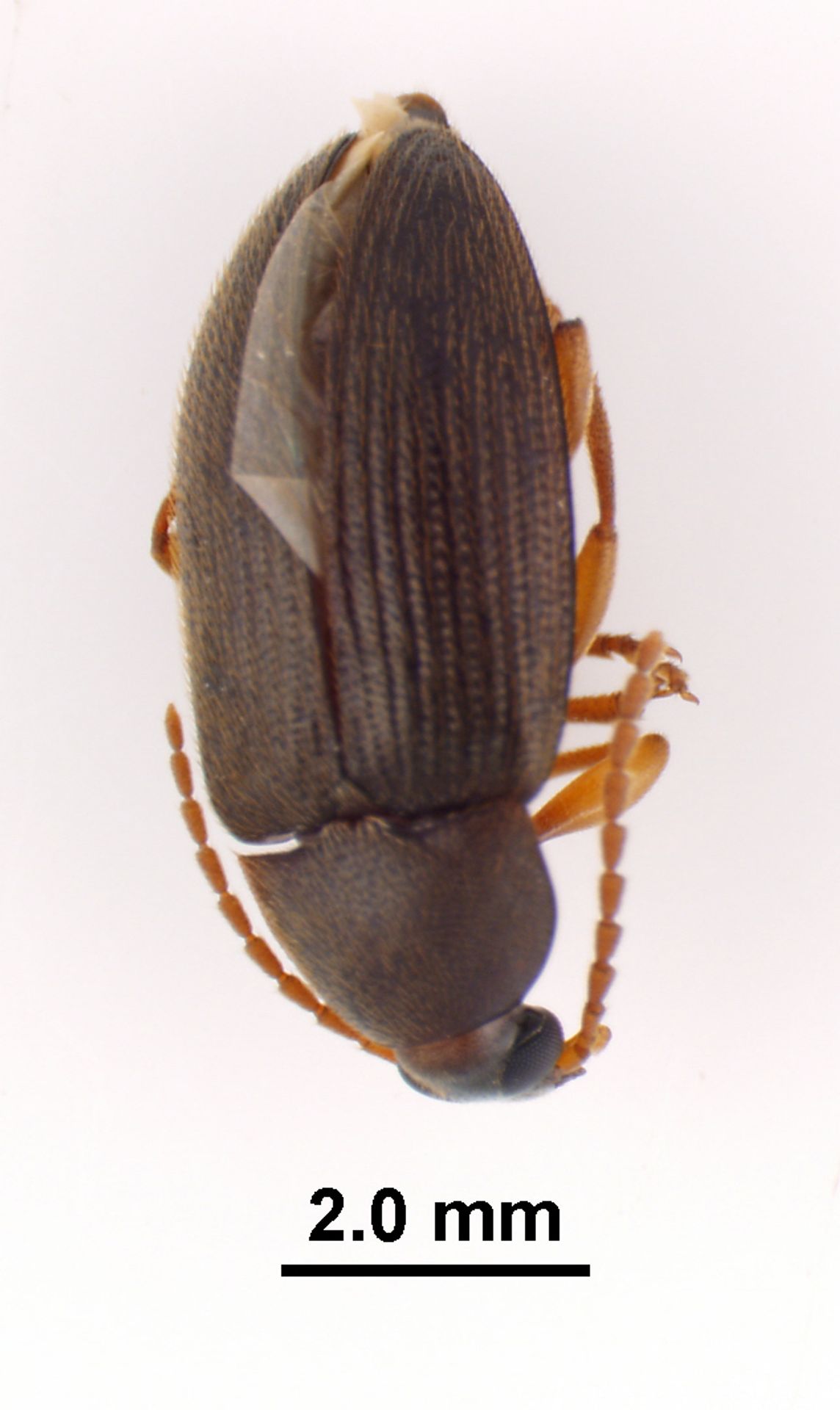
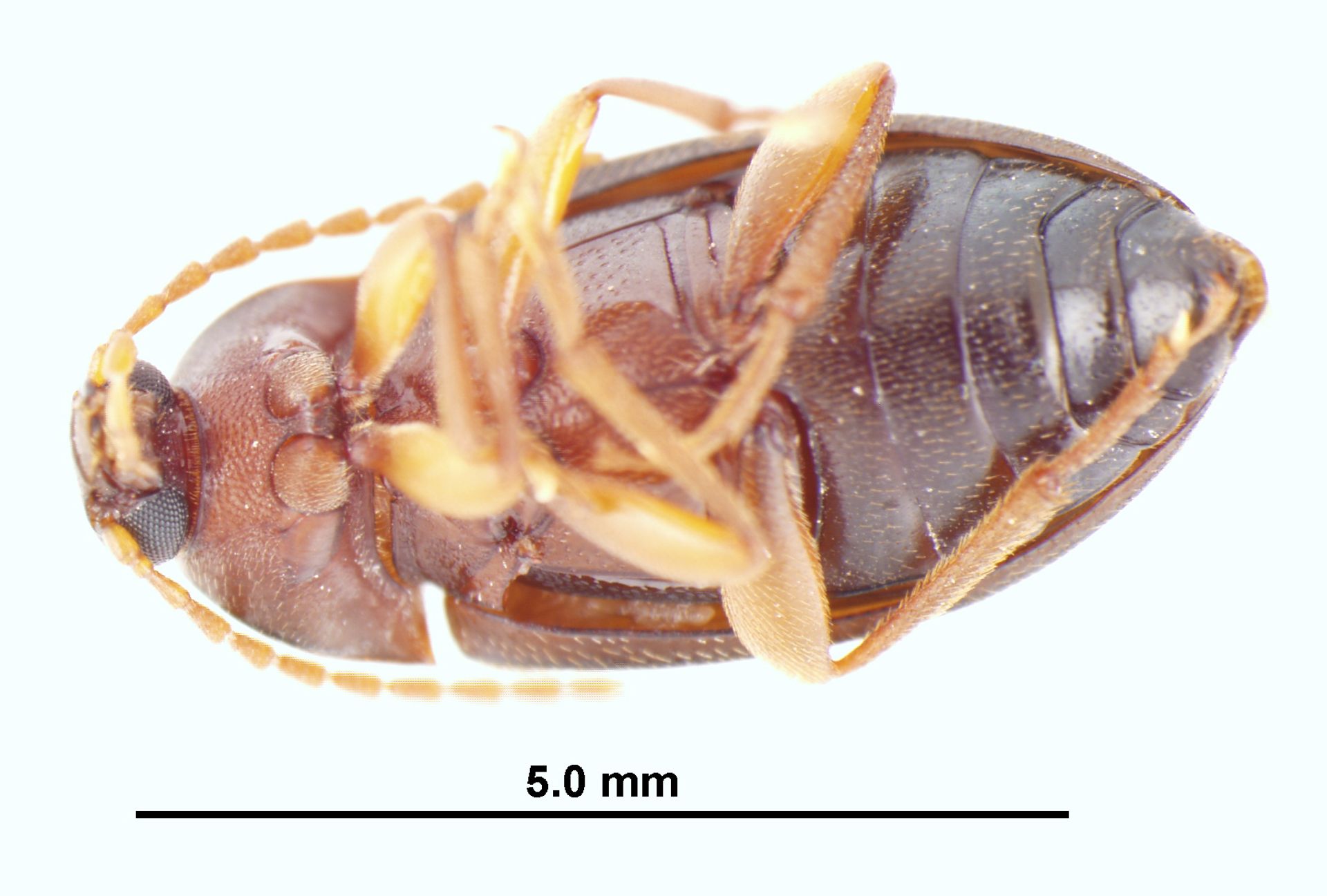
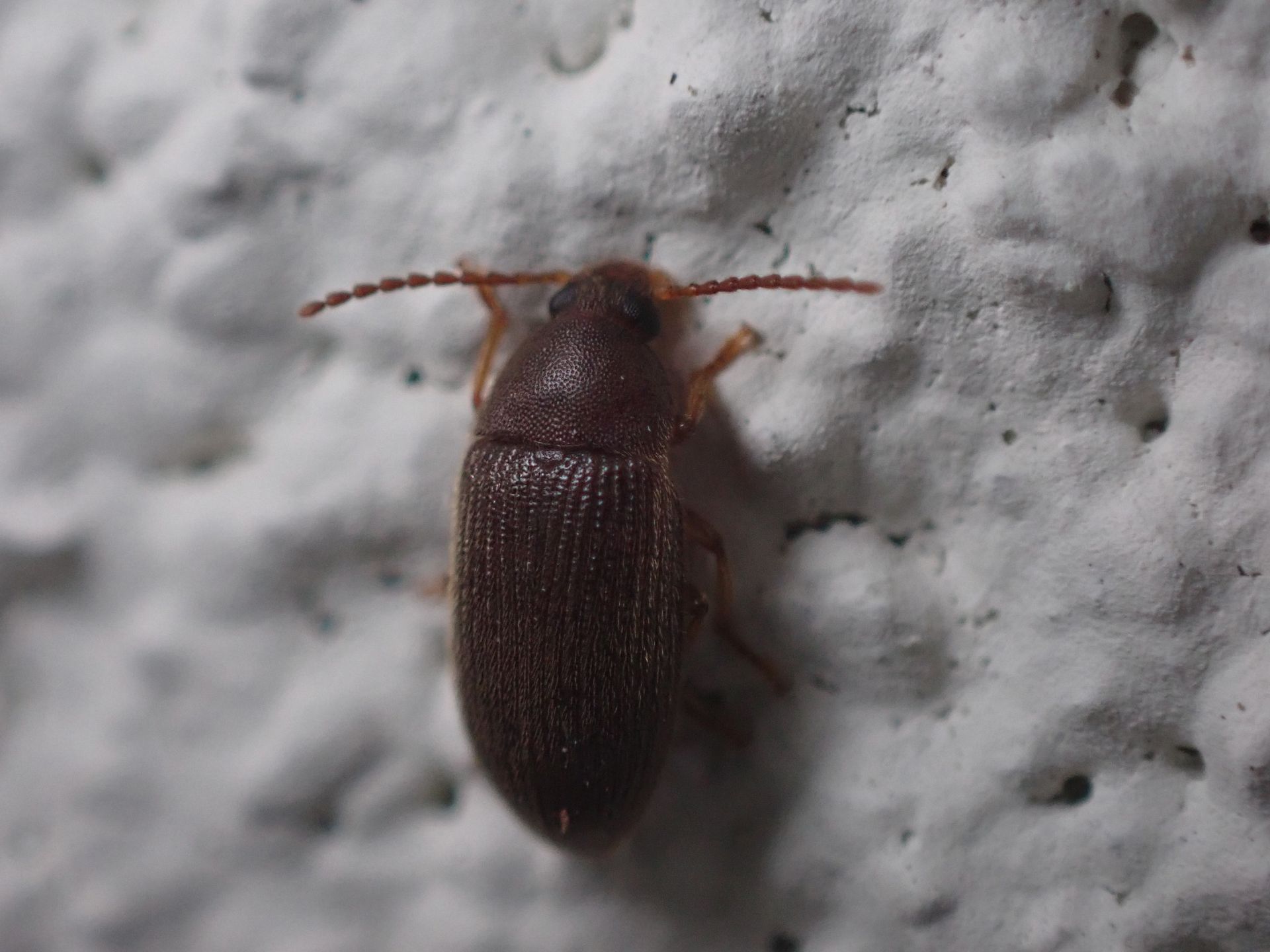
Hymenorus farri is a of comb-clawed beetle in the Tenebrionidae, described by Campbell in 1971. It belongs to the Alleculinae, a group formerly treated as a separate family but now recognized as a lineage within darkling beetles. The Hymenorus is characterized by that resemble those of ground beetles—elongate, nearly segments—distinguishing these beetles from more typical darkling beetles with bead-like antennae. Very few observations of this species exist in public databases.
Pronunciation
How to pronounce Hymenorus farri: //haɪˈmɛnɔrəs ˈfɑːri//
These audio files are automatically generated. While they are not always 100% accurate, they are a good starting point.
Identification
Hymenorus , including H. farri, can be distinguished from typical darkling beetles (Tenebrioninae) by their elongate, nearly with segments longer than wide, resembling ground beetles (Carabidae) rather than the bead-like antennae of most Tenebrionidae. However, unlike ground beetles, Hymenorus has concealed beneath the and lacks the exposed, forward-directed jaws characteristic of predatory carabids. The Alleculinae, to which Hymenorus belongs, also possesses comb-like claws on the hind , a trait reflected in their 'comb-clawed beetles.'
Images
Distribution
Mexico (MX). The is known from very limited records, with only two observations documented in iNaturalist as of the source date.
Similar Taxa
- Ground beetles (Carabidae)Hymenorus share the elongate, typical of ground beetles, but differ in having concealed and lacking the predatory and rapid running of carabids.
- Typical darkling beetles (Tenebrioninae)Most Tenebrionidae have bead-like, and often exhibit slow movement or defensive -standing (Eleodes), whereas Hymenorus has elongate antennae and lacks these characteristic darkling beetle traits.
- Long-jointed beetles (Lagriinae)Another formerly treated as a separate , now within Tenebrionidae. Lagriinae differ from Alleculinae in body form and antennal structure, though both represent aberrant lineages within the family.
More Details
Taxonomic History
The Alleculinae, containing Hymenorus, was formerly classified as the Alleculidae or included within Scraptiidae. It was reclassified into Tenebrionidae based on phylogenetic evidence, making Hymenorus a 'darkling beetle' in the modern sense despite its divergent .
Data Deficiency
This is extremely poorly known, with minimal occurrence data and no published studies on its . The two iNaturalist observations represent the only readily accessible records of live specimens.