
Zonitis
Fabricius, 1775
Species Guides
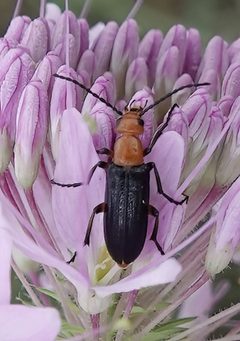
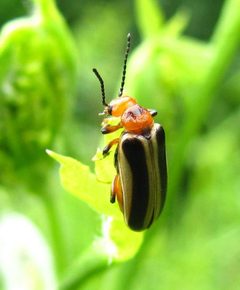
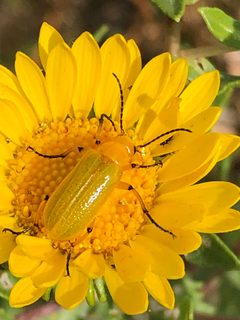
10Zonitis is a of blister beetles in the Meloidae, established by Johan Christian Fabricius in 1775. The genus belongs to the Nemognathinae, a group characterized by elongated, nectar-feeding mouthparts. of Zonitis are found in North America, with records from the southwestern United States and adjacent regions. have been observed on flowers of various composite plants, particularly in arid and semi-arid .
Pronunciation
How to pronounce Zonitis: /zoʊˈnaɪtɪs/
These audio files are automatically generated. While they are not always 100% accurate, they are a good starting point.
Identification
Zonitis are distinguished from related nemognathine by their moderately elongated , which are shorter than those found in Nemognatha and Gnathium. The genus can be separated from Pseudozonitis by structural features of the mouthparts and genitalia. Identification to species level requires examination of antennal structure, elytral maculation patterns, and male genitalia.
Images
Habitat
Arid and semi-arid regions of southwestern North America, including desert scrub, grasslands, and oak woodlands. are frequently associated with flowering vegetation along roadsides and in canyon systems.
Distribution
North America, primarily the southwestern United States (Arizona, New Mexico, Texas) and adjacent areas of northern Mexico.
Seasonality
activity occurs during the summer monsoon season, with peak observations from July through September.
Diet
feed on nectar and pollen of composite flowers (Asteraceae), including Isocoma tenuisecta, Gutierrezia microcephala, Heliomeris longifolia, and Hymenothrix wislizeni. Nectar uptake occurs via capillary action along bristle-covered rather than true sucking.
Host Associations
- Isocoma tenuisecta - food plantfrequently visited for nectar and pollen
- Gutierrezia microcephala - food plantcommonly used flower
- Heliomeris longifolia - food plantdocumented feeding site
- Hymenothrix wislizeni - food plantrecorded flower
Behavior
are and actively fly to flowers. They are often found in on blooming plants. When disturbed, they may drop from vegetation or take . Larval stages are likely or within nests, as is typical for Nemognathinae, though specific host records for Zonitis larvae are not documented.
Ecological Role
serve as of composite flowers. The contributes to local biodiversity in aridland and serves as a food source for insectivorous .
Human Relevance
Blister beetles contain the defensive compound , which can cause skin blistering upon contact. While not a major agricultural pest, handling specimens requires care to avoid exposure to cantharidin.
Similar Taxa
- PseudozonitisSimilar appearance and flower-visiting ; distinguished by mouthpart structure and genitalic features
- NemognathaShares Nemognathinae and flower-feeding habit; Nemognatha has more extremely elongated (often as long as or longer than body)
- GnathiumRelated nemognathine with elongated mouthparts; Gnathium typically have more robust body form and different antennal structure