Heterosilpha
Portevin, 1926
Species Guides
2- Heterosilpha aenescens
- Heterosilpha ramosa(Garden Carrion Beetle)
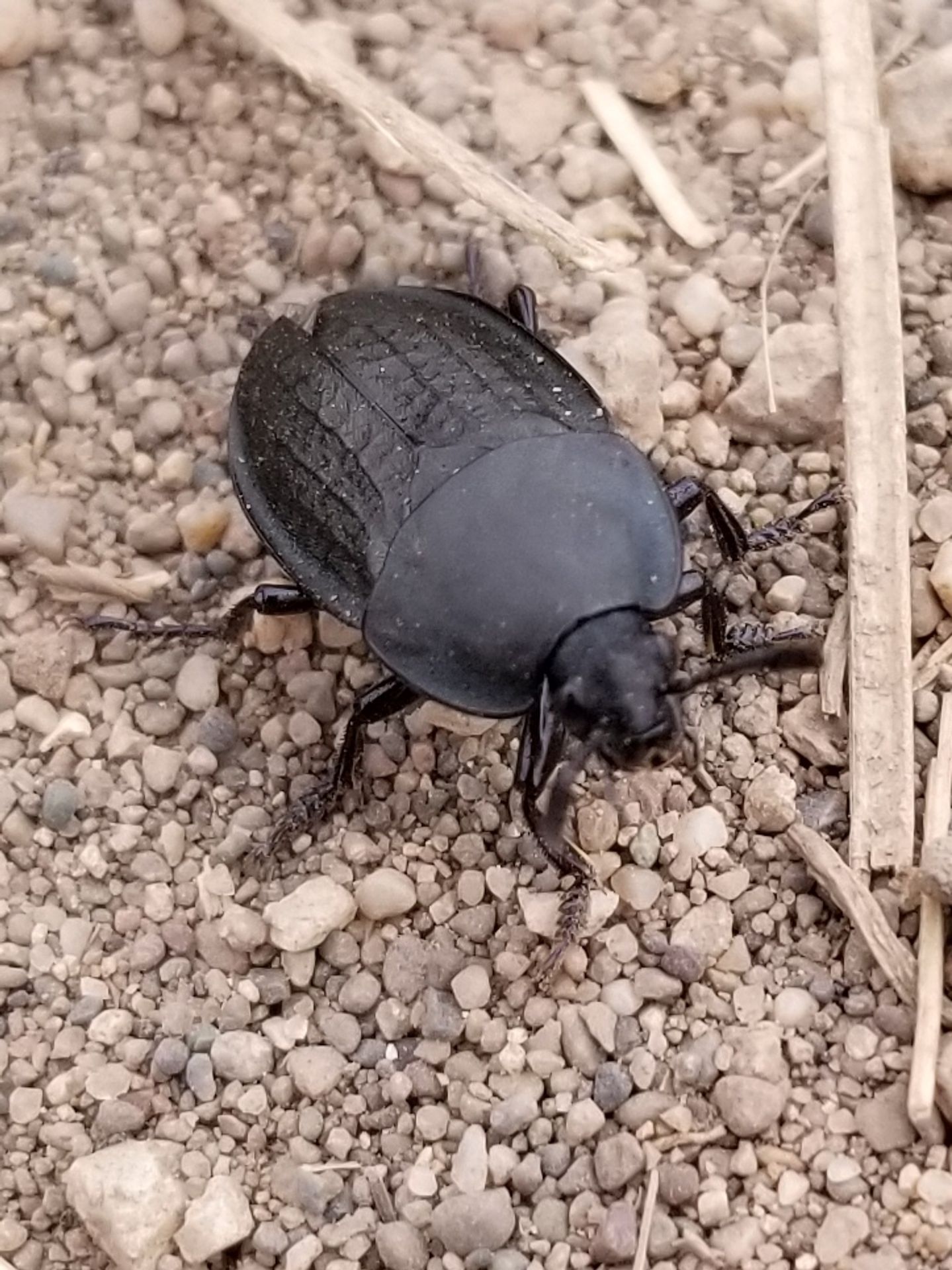
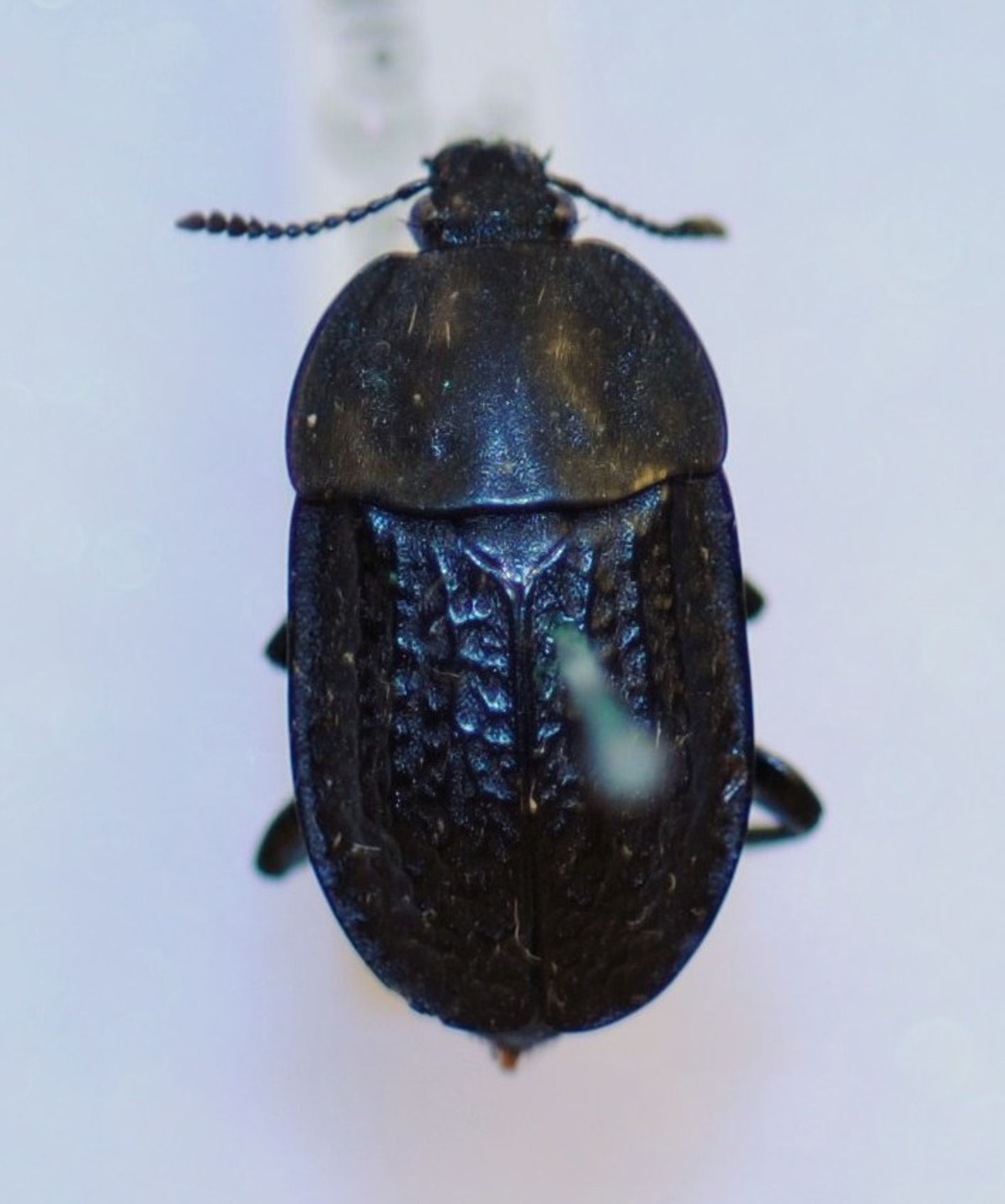
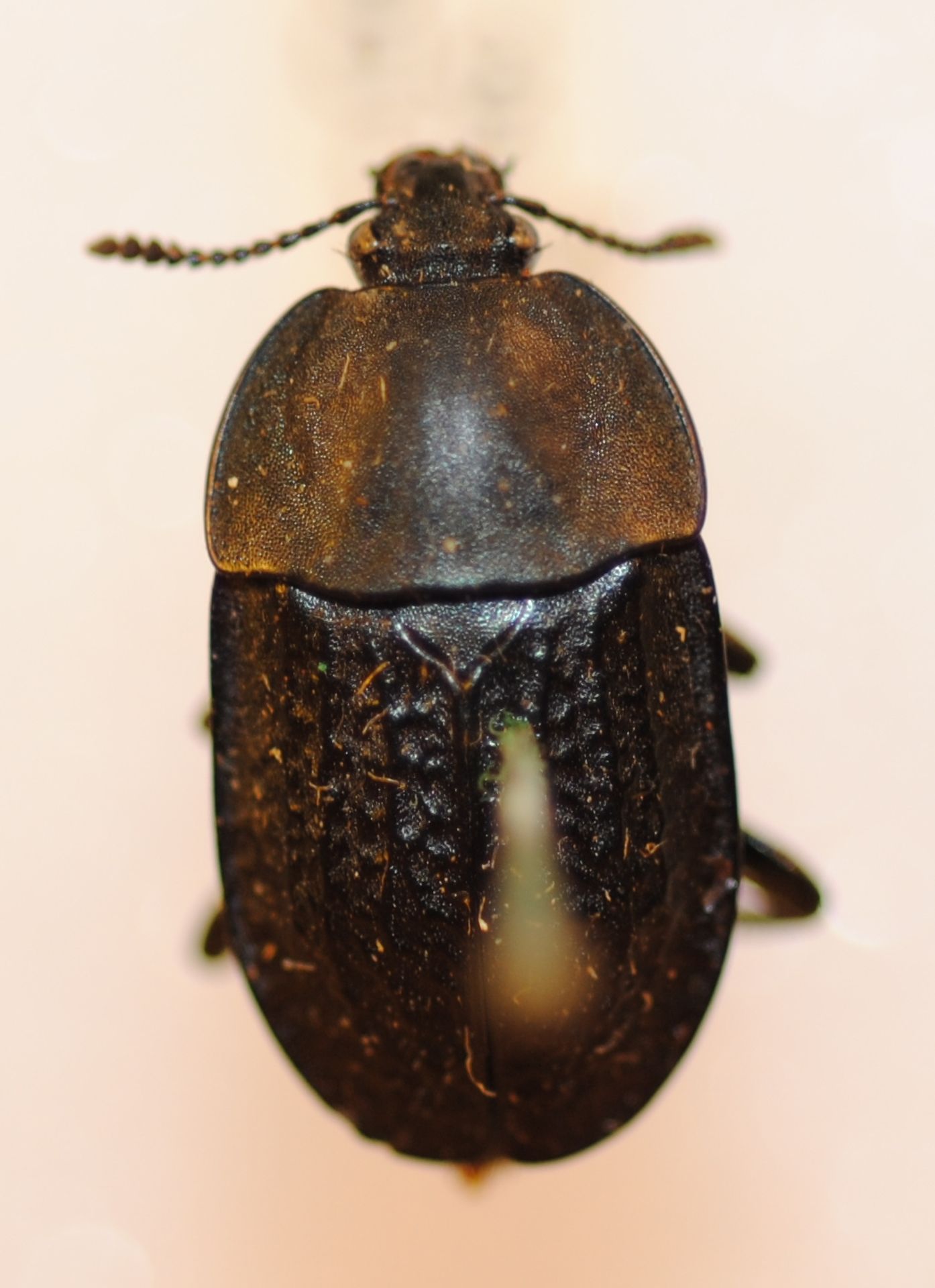
Heterosilpha is a of carrion beetles in the Silphidae, established by Portevin in 1926. The genus contains at least two described : Heterosilpha ramosa (Say, 1823), commonly known as the garden carrion beetle, and Heterosilpha aenescens (Casey, 1886). Members of this genus are notable for deviating from the typical carrion-feeding associated with their family, instead exhibiting feeding habits.
Pronunciation
How to pronounce Heterosilpha: /ˌhɛt.ə.roʊˈsɪl.fə/
These audio files are automatically generated. While they are not always 100% accurate, they are a good starting point.
Identification
Heterosilpha can be distinguished from superficially similar darkling beetles (Tenebrionidae) and ground beetles (Carabidae) by two key characters: clubbed and five tarsal segments on each leg. Darkling beetles possess only four tarsal segments on the hind leg. of H. ramosa are 11–17 mm long and dull black in coloration.
Images
Habitat
Heterosilpha ramosa occurs in shortgrass prairie and coniferous forest . It has been documented in urban environments, including lawns and sidewalks, suggesting of disturbed conditions.
Distribution
Heterosilpha ramosa ranges mostly west of the Rocky Mountains and south to Mexico, with eastern and northern extensions to Iowa, Minnesota, and Ontario, Canada. The has been recorded in Oregon, Colorado, and California.
Seasonality
of H. ramosa are active from March through October. They overwinter and resume activity the following spring.
Diet
Heterosilpha ramosa exhibits feeding habits distinct from typical carrion beetles. and larvae consume decaying vegetable matter, soft-bodied insects (living or dead), and maggots associated with decaying organic matter in soil. Adults have been observed feeding on leaves of plants at night, dead grasshoppers (Melanoplus devastator), and dead Brown Garden Snails (Helix asper). Older references describe occasional feeding on garden and field crops, grasses, and weeds.
Life Cycle
are laid in soil around carcasses or rotting vegetable matter and hatch in approximately five days. The larval stage lasts two to three weeks. The pupal stage lasts 8–9 days. Larvae are jet black, highly mobile, and tapered in body form, resembling overgrown Dermestidae larvae.
Behavior
are frequently encountered across open ground, including sidewalks. Larvae are capable of rapid movement and can slither into cracks and crevices using their tapered bodies. Both adults and larvae are highly mobile.
Ecological Role
Heterosilpha ramosa functions as a scavenger and facultative in soil . It competes with burying beetles (Nicrophorus) for carrion resources, reducing reproductive success of these . The contributes to decomposition of organic matter and may provide of pest .
Human Relevance
Heterosilpha ramosa has been characterized as an occasional minor pest of garden and field crops in older literature, though contemporary understanding emphasizes its scavenging and potential beneficial role in consuming pest . The species is used in ecological research on carrion beetle dynamics and resource competition.
Similar Taxa
- SilphaHeterosilpha was formerly classified under this ; older references may use the name Silpha ramosa
- NicrophorusBoth are carrion beetles (Silphidae), but Nicrophorus specializes on vertebrate carcasses and exhibits parental care, while Heterosilpha is a feeder and competitor
- DermestesLarvae of Heterosilpha resemble overgrown Dermestidae larvae in appearance and mobility, but belong to a different
- Darkling beetles (Tenebrionidae)Similar dull black coloration and ground-dwelling habit, but distinguished by tarsal segment count (four in hind leg of Tenebrionidae versus five in Heterosilpha)
- Ground beetles (Carabidae)Similar appearance and use, but distinguished by antennal structure and tarsal segmentation
More Details
Taxonomic History
The Heterosilpha was established by Portevin in 1926, separating these from the former genus Silpha. This reclassification reflects refined understanding of carrion beetle .
Research Significance
Heterosilpha ramosa has become a model organism for studying competition between and scavengers, and for investigating how organisms respond to ephemeral resource patches under changing environmental conditions.