
Melolonthini
Leach, 1819
Genus Guides
7- Amblonoxia(dusty June beetles)
- Dinacoma
- Hypothyce(May beetles)
- Hypotrichia(hypotrichs)
- Plectrodes
- Polyphylla(Lined June Beetles)
- Thyce(May beetles)
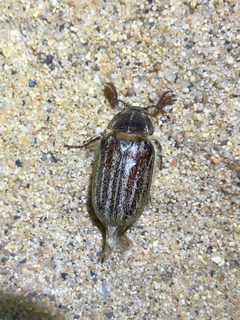
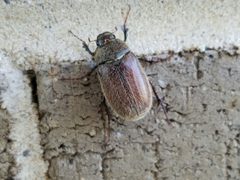
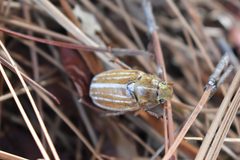
Melolonthini is a large and diverse tribe of scarab beetles within the Scarabaeidae, containing over 250 and more than 3,000 worldwide. The tribe includes significant agricultural pests such as cockchafers (Melolontha), (Amphimallon), May beetles (Phyllophaga), and lined June beetles (Polyphylla). In Australia, members are commonly known as canegrubs, with 119 recognized species including notable pests of sugarcane and pastures in the genera Antitrogus, Dermolepida, Lepidiota, and Rhopaea. The tribe is divided into three subtribes: Enariina, Melolonthina, and Pegylina.
Pronunciation
How to pronounce Melolonthini: /ˌmɛloʊˈlɒnθɪnaɪ/
These audio files are automatically generated. While they are not always 100% accurate, they are a good starting point.
Identification
Larvae of Melolonthini are known as white , characterized by a C-shaped, creamy-white body with a distinct brown capsule and three pairs of thoracic legs. Diagnostic larval features include specific raster patterns on the surface of the last abdominal segment, which vary among and and are used for identification. varies considerably across the tribe's 250+ genera; members of Melolontha (cockchafers) are typically robust, brown beetles with , while Polyphylla (lined June beetles) display distinctive longitudinal stripes on the . Australian canegrubs in the genera Antitrogus, Dermolepida, Lepidiota, and Rhopaea can be distinguished by larval raster patterns, geographic locality, and head width measurements.
Images
Habitat
Larvae are , inhabiting soil where they feed on plant roots. are typically found in terrestrial including forests, grasslands, pastures, and agricultural fields. Australian occupy diverse habitats from tropical Queensland to temperate southeastern regions and arid western areas.
Distribution
Worldwide distribution with over 3,000 globally. More than 300 species occur in North America. In Australia, 119 recognized species with 75 found in Queensland. The tribe occurs across temperate and tropical regions of Europe, Asia, Africa, the Americas, and Australia.
Seasonality
periods vary by and region. Australian Antitrogus adults fly for short periods following rain in spring or summer. Temperate Northern Hemisphere such as Melolontha typically have adult in late spring to early summer.
Diet
Larvae feed on roots of grasses and other plants; some are significant root-feeding pests of agricultural crops including sugarcane, pastures, pineapples, and cereals. of many species do not feed; those that do typically consume leaves or other plant material.
Life Cycle
range from one to multiple years depending on . Australian Antitrogus species have documented 1- or 2-year life cycles. Melolontha incana has been described as multivoltine. Larval development occurs entirely underground in soil.
Behavior
are primarily and often attracted to light. activity is frequently triggered by rainfall events. Adult females of some Australian show poor ability, contributing to localized structure and speciation. Larvae are , using clusters of setae on legs for burrowing.
Ecological Role
Larvae function as soil-dwelling herbivores, consuming plant roots and contributing to nutrient cycling through soil disturbance. Some reach pest densities that alter plant composition in agricultural and natural systems.
Human Relevance
Multiple are economically significant agricultural pests. Antitrogus, Dermolepida, and Lepidiota species damage sugarcane, pastures, and pineapples in Australia, requiring applications and integrated management. Phyllophaga (May beetles) and Polyphylla (lined June beetles) are pests in North America. Melolontha (cockchafers) and Amphimallon () cause damage in Europe. Larval identification is critical as species differ in , , and insecticide susceptibility.
Similar Taxa
- RuteliniAnother tribe within Melolonthinae; often more brightly colored or metallic, with different larval raster patterns and typically less damaging root-feeding habits
- Dynastinae of Scarabaeidae containing rhinoceros beetles; typically larger with prominent horns or projections, larvae with different capsule and not typically called white
- SericiniTribe within Melolonthinae containing dusky ; larvae similar in form but distinguishable by specific raster patterns and antennal structure
More Details
Taxonomic structure
The tribe contains three subtribes: Enariina Dewailly, 1950; Melolonthina Leach, 1819; and Pegylina Lacroix, 1989. Numerous remain unassigned to subtribe.
Larval identification challenges
Accurate identification of Melolonthini larvae to is difficult and often requires examination of raster patterns, capsule width, geographic origin, and in some cases molecular tools due to morphological convergence among species.
Australian research significance
The Australian Melolonthini fauna has been subject to intensive taxonomic revision, with multiple new and described, reflecting high diversity and in this region.
Sources and further reading
- BugGuide
- Wikipedia
- GBIF taxonomy match
- iNaturalist taxon
- Catalogue of Life
- Identification of Australian canegrubs (Coleoptera : Scarabaeidae : Melolonthini)
- Synopsis of Antitrogus Burmeister (Coleoptera: Scarabaeidae: Melolonthini)
- Australian Melolonthini (Coleoptera: Scarabaeidae: Melolonthinae): a third species of Allothnonius Britton, 1978, and notes on the other known species
- A revision of the Australian chafers (Coleoptera : Scarabaeidae : Melolonthinae). Vol. 2. Tribe Melolonthini
- Morphological description of the white grub Melolontha incana (Coleoptera: Scarabaeidae: Melolonthinae: Melolonthini)