
Agrypnini
Candèze, 1857
Genus Guides
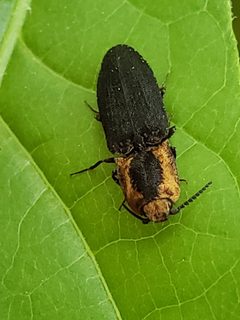
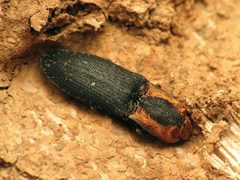
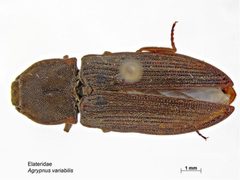
5Agrypnini is a tribe of click beetles ( Elateridae) established by Candèze in 1857. The tribe belongs to the Agrypninae and contains approximately 24 recognized distributed across multiple continents. Members share the characteristic click beetle and jumping mechanism enabled by the prosternal process. The genus Agrypnus, the type genus, is among the most -rich and widely distributed within the tribe.
Pronunciation
How to pronounce Agrypnini: /ˌæɡrɪpˈnaɪni/
These audio files are automatically generated. While they are not always 100% accurate, they are a good starting point.
Identification
Agrypnini can be distinguished from other elaterid tribes by features of the prosternal process and mesosternal cavity structure, though precise diagnostic characters vary among constituent . The tribe is placed in Agrypninae, separating it from the more diverse Elaterinae. Generic-level identification requires examination of antennal structure, body form, and details of the thoracic . Members of Agrypnus, the type genus, often show a robust body form with serrate or pectinate in males.
Images
Distribution
The tribe has a broad distribution with recorded from the Palearctic, Afrotropical, Oriental, and Australian regions. Specific genera show restricted ranges: Carlota is known from Chile, Stangellus from Argentina, and Saudilacon from the Arabian Peninsula. The genus Agrypnus occurs across Europe, Asia, and Africa.
Similar Taxa
- ElateriniAlso in Elateridae, but placed in Elaterinae rather than Agrypninae; differs in thoracic structure and prosternal process .
- AmpediniAnother elaterid tribe in Dendrometrinae; distinguished by different antennal and thoracic characteristics.
More Details
Taxonomic note
The tribe contains substantially more than the 5 and 17 sometimes cited; current sources recognize approximately 24 genera. The classification of Agrypnini within Agrypninae rather than directly in Elateridae reflects ongoing refinement of elaterid .