Agrypnus
Eschscholtz, 1829
Species Guides
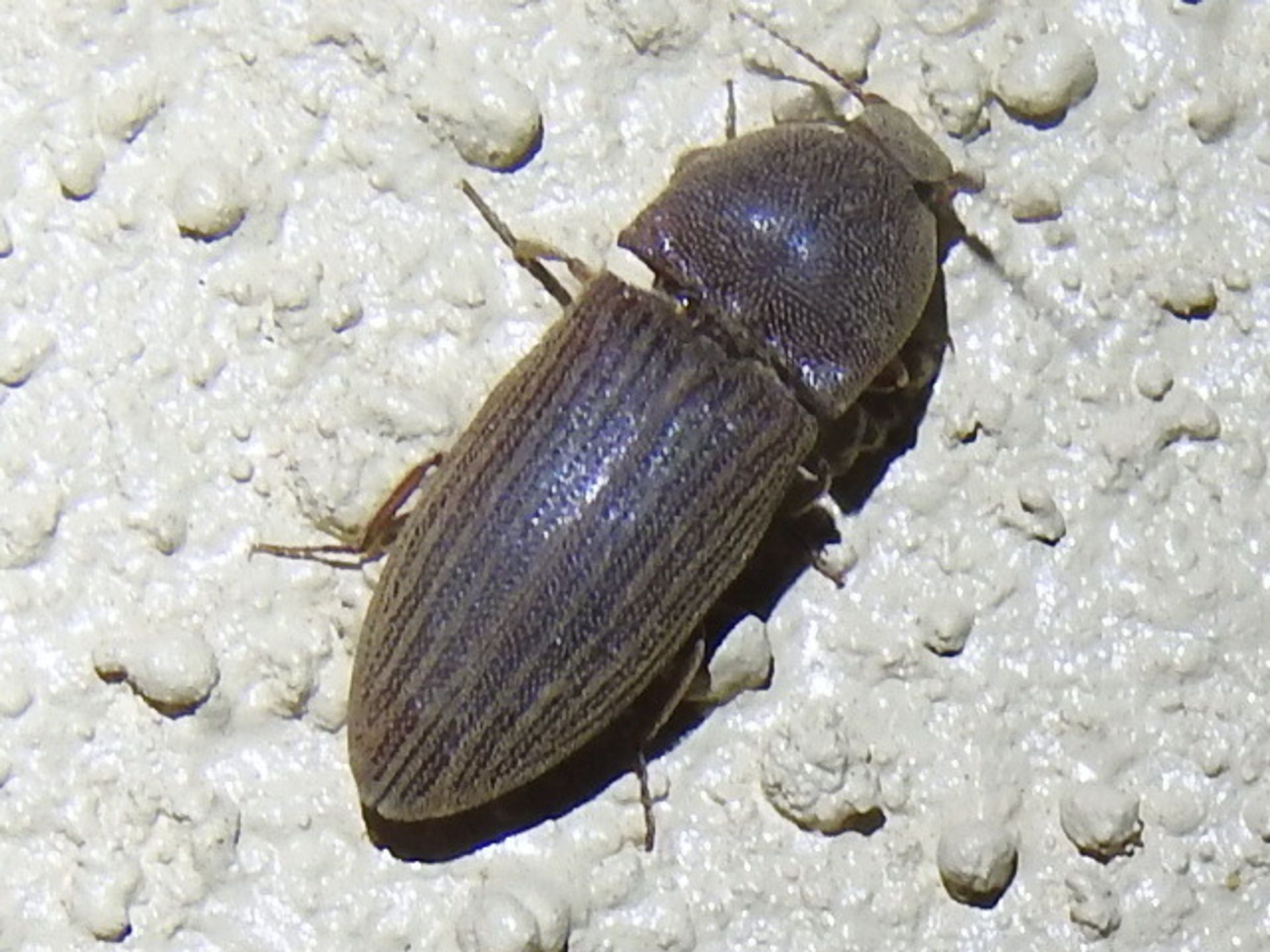
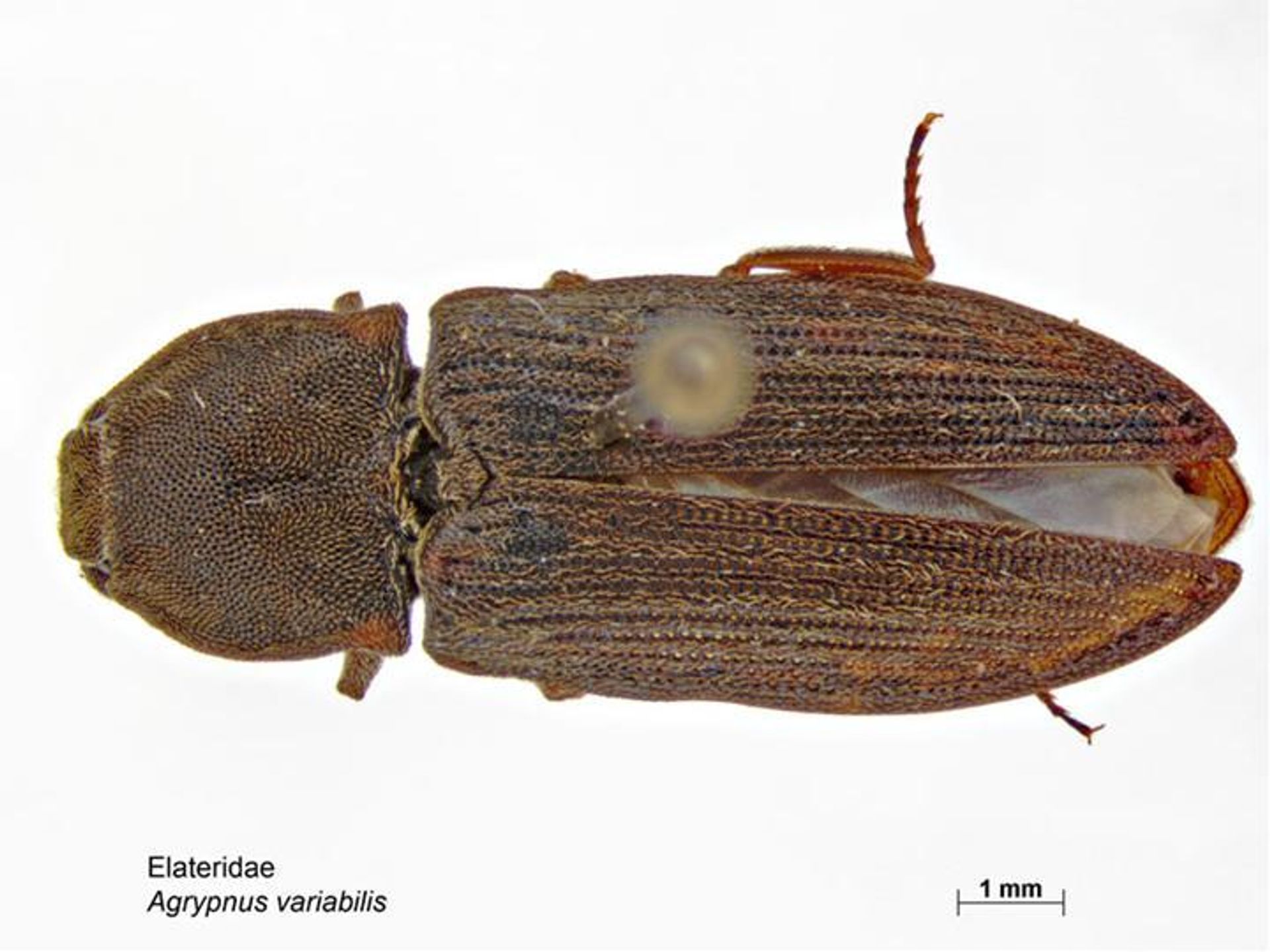
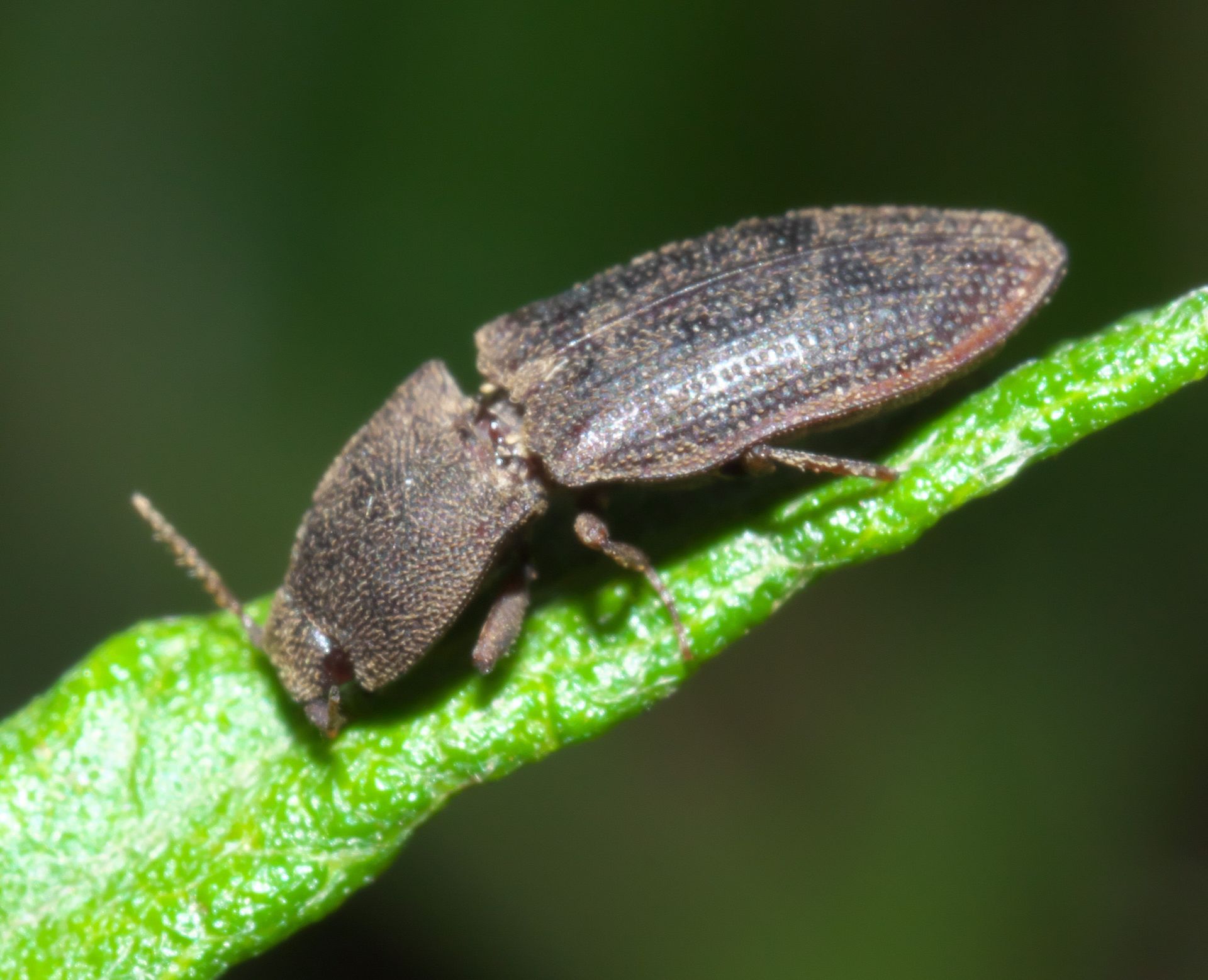
3Agrypnus is a of click beetles (Elateridae) in the Agrypninae. The genus includes with Palearctic distribution, with some members inhabiting diverse environments from scrubland and grasslands to coastal sand dunes. Larvae of at least some species are soil-dwelling wireworms that feed on plant roots and other insects. One species, Agrypnus murinus, has been subject to sequencing and is recognized as an agricultural pest.
Pronunciation
How to pronounce Agrypnus: /əˈɡrɪpnəs/
These audio files are automatically generated. While they are not always 100% accurate, they are a good starting point.
Images
Habitat
Scrubland, grasslands, and sand dunes. Larval stage occurs in soil.
Distribution
Palearctic, with records from western Europe, parts of Asia, Korea, and Scandinavia (Denmark, Norway, Sweden).
Diet
Larvae feed on roots of plants and other insects.
Life Cycle
laid in soil during late summer; larvae emerge in autumn and develop underground.
Ecological Role
Larvae act as agricultural pests affecting crop plants.
Human Relevance
Larvae (wireworms) cause significant damage to crops such as potatoes.
More Details
Genome Resources
Agrypnus murinus has a chromosomally-complete assembly of 1,578.5 Mb with 9 chromosomal pseudomolecules (8 + X ), 42,204 protein-coding genes, and an 18.23 kb mitochondrial genome.
Subgeneric Classification
The subgenus Sabikikorius includes such as A. uidoensis from coastal sand dune in Korea.