Agrypnus rectangularis
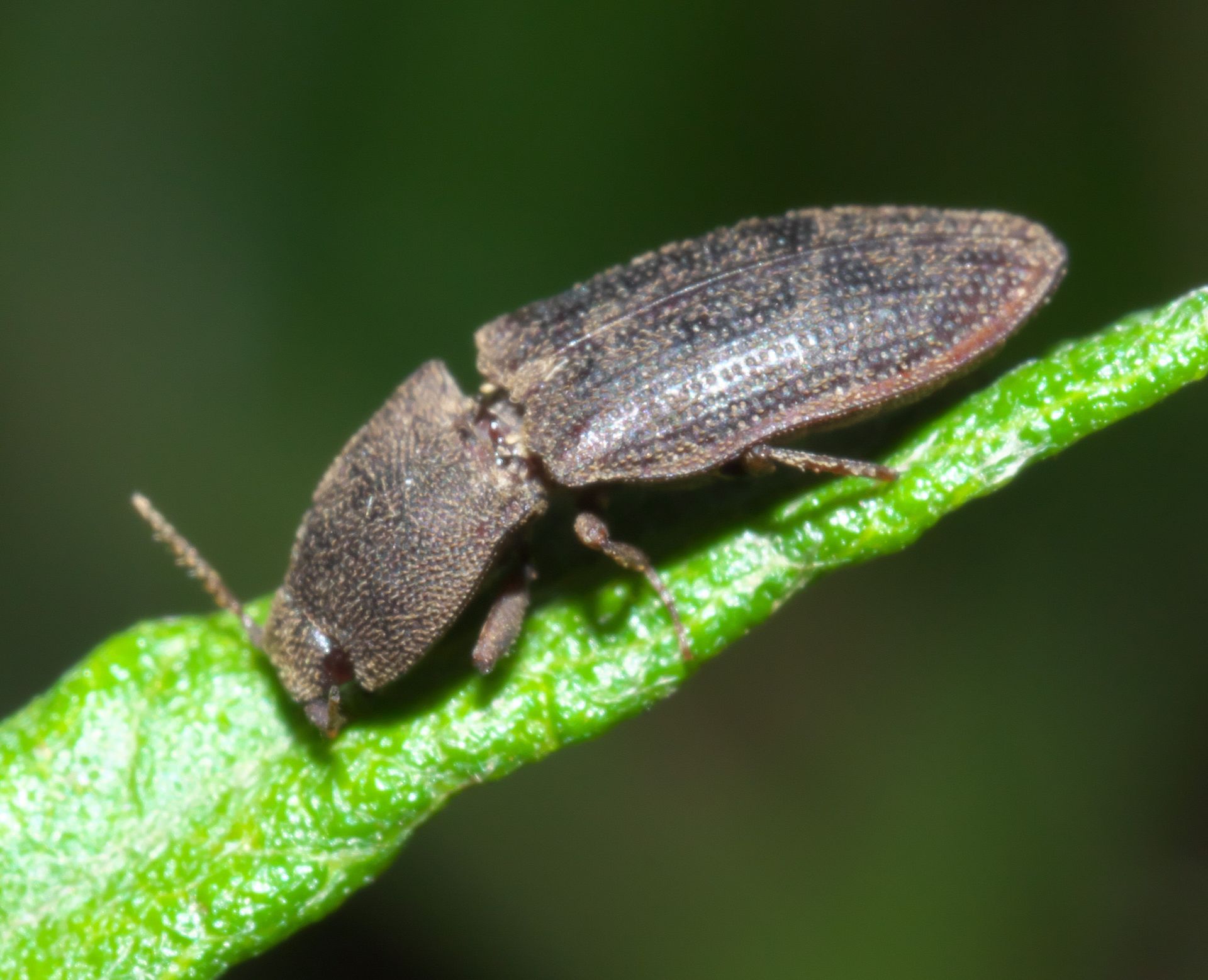
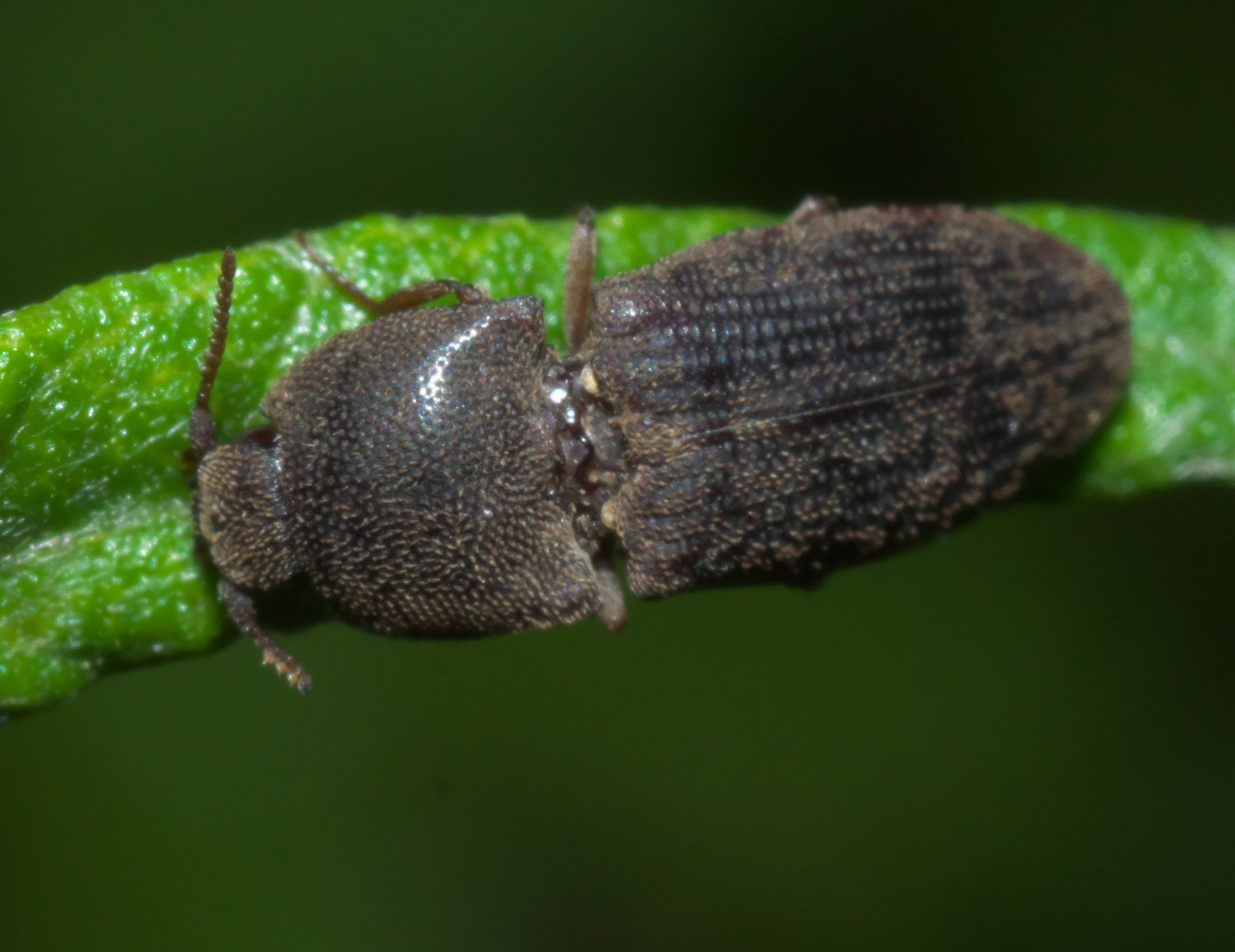
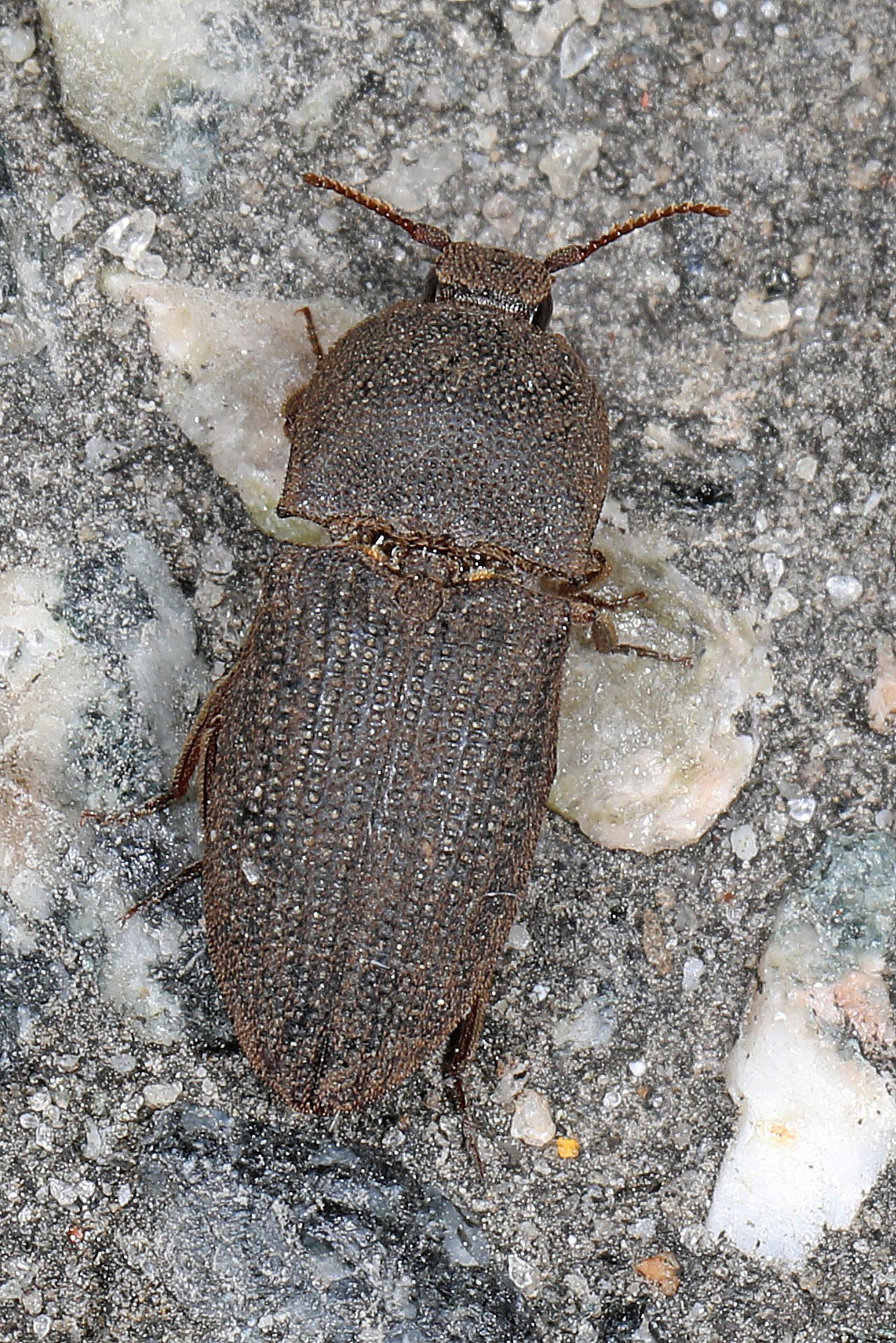
Agrypnus rectangularis is a click beetle ( Elateridae) characterized by its robust, somewhat flattened body form. The is known from a substantial number of observations, indicating it is encountered with moderate frequency by naturalists. As a member of the Agrypninae, it shares traits with related species including a well-developed prosternal process that enables the clicking mechanism. The specific epithet "rectangularis" likely refers to the somewhat angular or rectangular body outline.
Pronunciation
How to pronounce Agrypnus rectangularis: /ˈæɡrɪpnəs rɛkˌtæŋɡjuˈlɛərɪs/
These audio files are automatically generated. While they are not always 100% accurate, they are a good starting point.
Identification
Distinguished from other Agrypnus by the combination of its rectangular body shape and relatively uniform coloration. The pronotum is broader than long with angles that are somewhat rounded. are serrate. Separation from similar species such as Agrypnus murinus requires examination of subtle differences in pronotal shape, punctation , and male genitalia.
Images
Distribution
Distribution details are not well documented in available sources; occurrence records suggest presence in regions where the is established, but specific range boundaries remain unclear.
Behavior
Possesses the characteristic click mechanism of Elateridae, using a prosternal spine and mesosternal groove to produce a jumping motion when disturbed. are likely or based on -level patterns, though direct observations are not documented.
Similar Taxa
- Agrypnus murinusSimilar body form and coloration; distinguished by pronotal proportions and punctation details
- Other Agrypnus species members share general body plan; specific identification requires detailed morphological examination
More Details
Observation frequency
The has accumulated 794 observations on iNaturalist, suggesting it is not rare but may be underreported due to identification challenges within the .