Dendrometrinae
Gistel, 1848
Tribe Guides
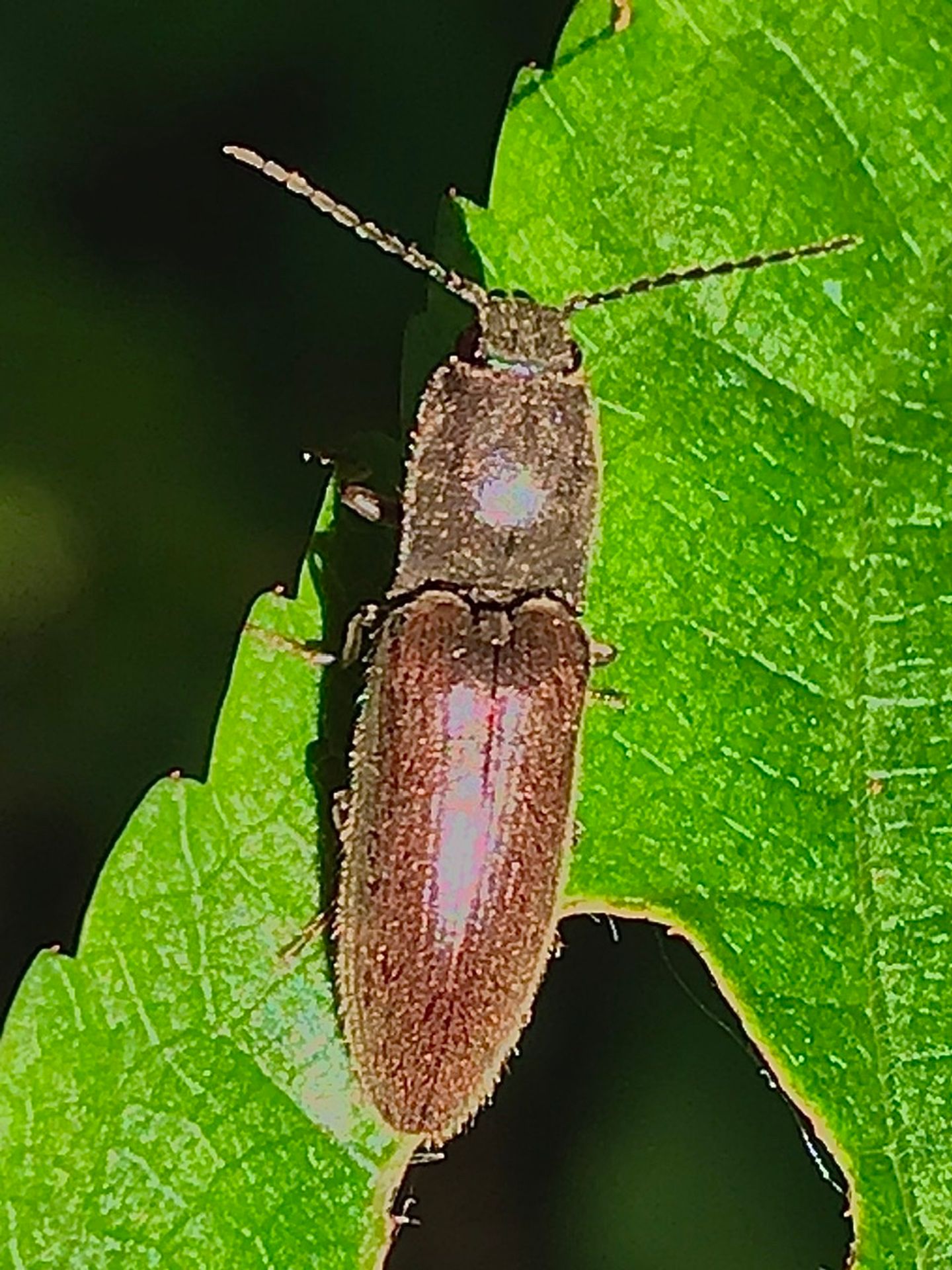
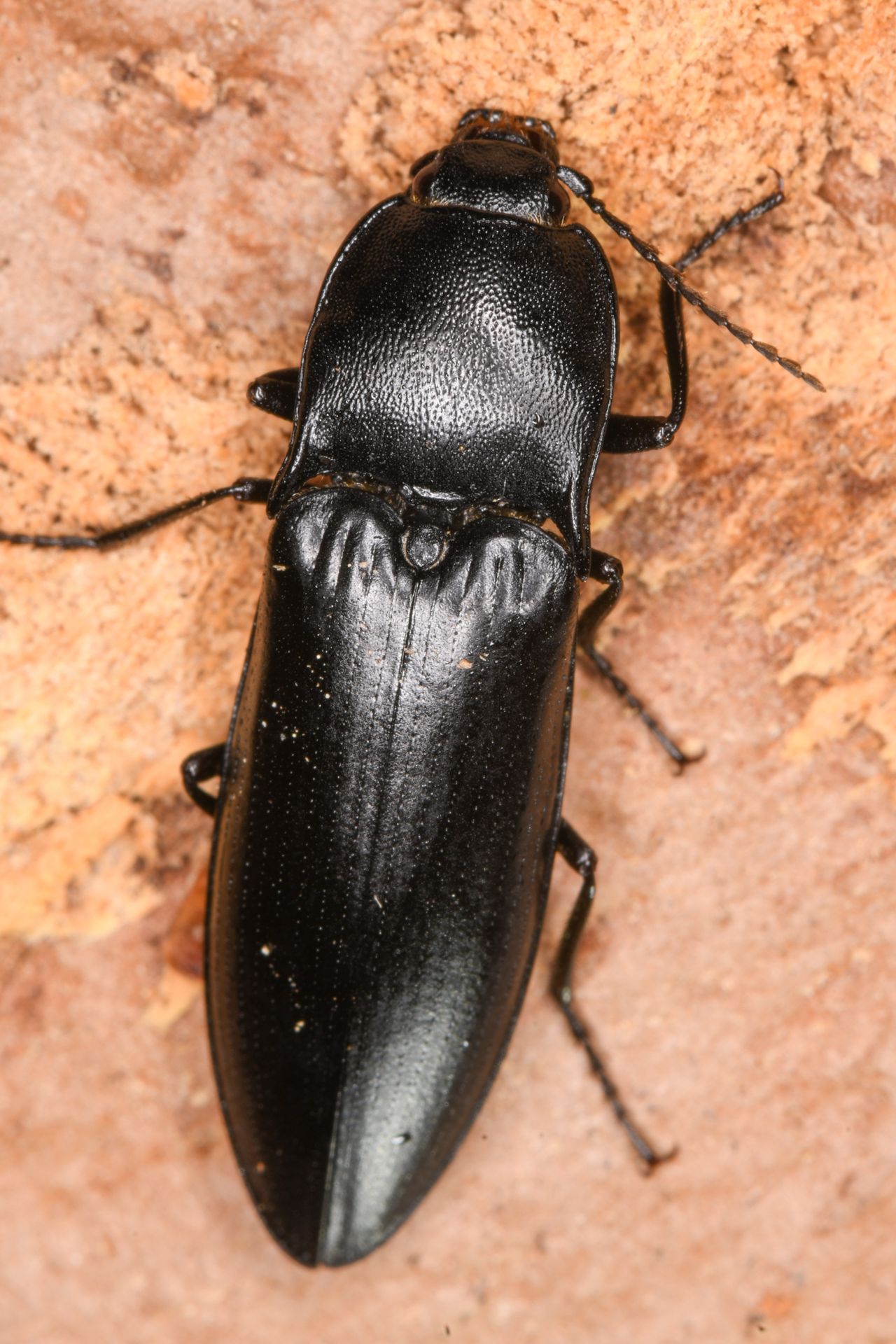
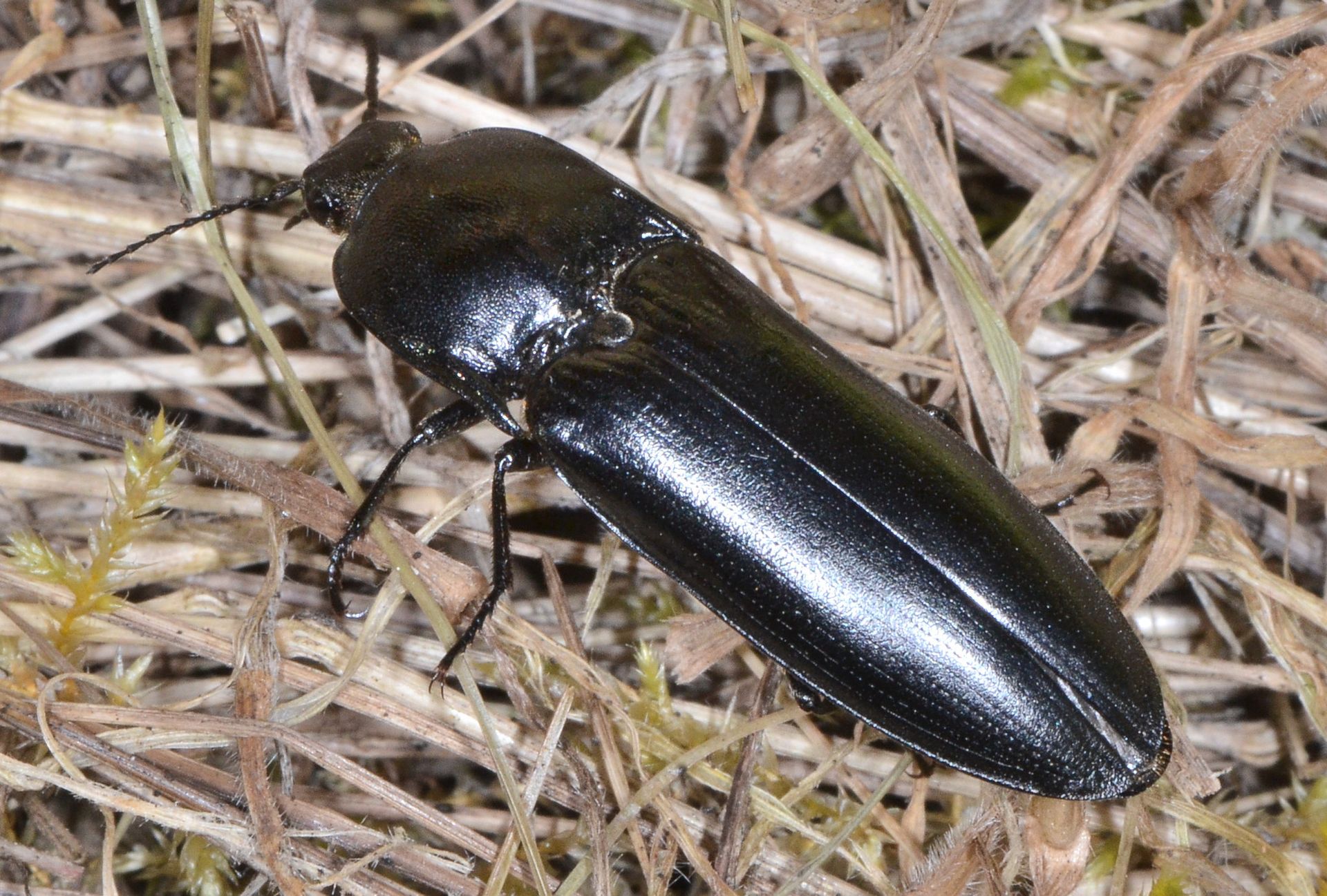
3Dendrometrinae is a large of click beetles (Elateridae) containing at least 10 tribes worldwide, including Athoini, Crepidomenini, Denticollini, Dimini, Oxynopterini, Prosternini, Semiotini, and Senodoniini. The subfamily has undergone substantial taxonomic revision, with several formerly recognized subfamilies (Athoinae, Crepidomeninae, Denticollinae, Oxynopterinae, Prosterninae, Semiotinae) reduced to tribal rank. is concentrated in the Palaearctic and Oriental regions, with some representation in the Nearctic.
Pronunciation
How to pronounce Dendrometrinae: //dɛnˌdroʊməˈtraɪniː//
These audio files are automatically generated. While they are not always 100% accurate, they are a good starting point.
Images
Distribution
Worldwide distribution with concentration in Palaearctic and Oriental regions. Specific tribal distributions include: Senodoniini in Himalayas, China, and Southeast Asia; Dimini in Palaearctic and Oriental regions; Elathous with 39 in West Palearctic (Morocco to Iran), seven in Nearctic, and two in Japan; Scutellathous in East Asia (China, Japan, Korea).
More Details
Taxonomic complexity
Dendrometrinae exhibits exceptional taxonomic instability. The has absorbed numerous former subfamily-rank groups, and generic placements remain fluid—exemplified by Parallotrius Candèze, 1878 placed in Dendrometrinae incertae sedis, and Allotriopsis Champion, 1896 tentatively transferred to Elaterinae: Dicrepidiini. The Plastocerus was historically classified in multiple and even superfamilies due to its modified .
Larval biology gap
stages remain unknown for most Dendrometrinae . For Scutellathous, larvae are explicitly unknown. For Plastocerus angulosus, field research to discover immature stages has been explicitly recommended to understand and .
Sources and further reading
- BugGuide
- Wikipedia
- iNaturalist taxon
- NCBI Taxonomy
- Catalogue of Life
- Annotated catalogue of the click-beetle tribe Senodoniini (Coleoptera: Elateridae: Dendrometrinae)
- Annotated catalogue of the click-beetle tribe Dimini (Coleoptera: Elateridae: Dendrometrinae)
- The genus Scutellathous Kishii, 1955 (Coleoptera, Elateridae, Dendrometrinae) in China, with description of three new species
- Platiana cechovskyi sp. nov. from Malaysia, a remarkable new member of Dimini (Elateridae: Dendrometrinae) with strongly serrate antennae
- A new species of Hypoganus Kiesenwetter, 1858 (Coleoptera: Elateridae: Dendrometrinae) from China, with notes on the Palaearctic species of the genus
- Plastocerus angulosus (Germar, 1844) (Coleoptera: Elateridae: Dendrometrinae): an enigmatic click beetle with a convoluted taxonomic history
- Annotated catalogue of the click-beetle genus Elathous Reitter, 1890 (Coleoptera: Elateridae: Dendrometrinae), including habitus photographs for all species
- Comparative morphology of larvae of Elathous agilis Németh, 2019 and Elathous brucki (Candèze, 1878) (Coleoptera: Elateridae: Dendrometrinae), with notes on their biology and ecology