
Silinae
Mulsant, 1862
soldier beetles
Genus Guides
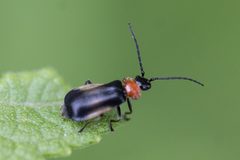
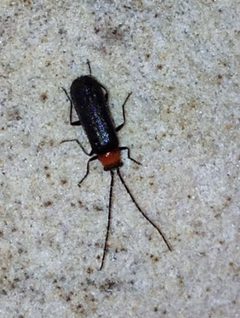
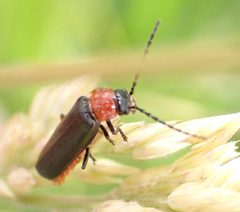
3Silinae is a of soldier beetles ( Cantharidae) comprising approximately 6 and more than 180 described . The subfamily includes the genera Silis, Polemius, Discodon, Plectonotum, Ditemnus, and Tytthonyx. Species occur across the Nearctic and Neotropical regions, with some lineages showing remarkable high-altitude adaptations including extreme brachelytry (shortened ) and wing reduction.
Pronunciation
How to pronounce Silinae: //sɪˈlaɪnaɪ//
These audio files are automatically generated. While they are not always 100% accurate, they are a good starting point.
Identification
Members of Silinae can be distinguished from other Cantharidae by the combination of: pronotum with distinct lateral margins, typically soft and flexible (though some high-altitude exhibit brachelytry with strongly shortened elytra), and tarsal formula 5-5-5. The subfamily contains both fully winged species and brachelytrous forms with reduced or absent wings, particularly in high-altitude Andean of Discodon and Polemius (subgenus Brachypolemius).
Images
Habitat
range broadly from lowland to high-elevation environments. High-altitude Andean have been documented at elevations between 3600–4560 m, including mining periphery areas and high-elevation lakes. The Discodon occurs from sea level to 3000 m from Mexico through Central and South America.
Distribution
Nearctic and Neotropical regions. Polemius contains Nearctic and Neotropical . Genus Discodon ranges from Mexico and Central America through South America. Documented high-altitude localities in Peru include Puno (4561 m), Junin (4341 m), and Huancavelica departments. The subgenus Brachypolemius was previously known only from Bolivia (4000 m) before Peruvian discoveries.
Similar Taxa
- CantharinaeOther of Cantharidae; distinguished from Silinae by pronotum without distinct lateral margins and different tarsal structure in some groups.
- MalthininaeOther Cantharidae ; typically smaller with different antennal and pronotal characteristics.
More Details
High-altitude adaptations
Brachelytry (strongly shortened leaving multiple abdominal segments exposed) and wing reduction/loss have evolved convergently in Silinae at high altitudes in the Andes, mirroring patterns seen in other Cantharidae in the Alps, Caucasus, Himalayas, and East Africa. In the subgenus Polemius (Brachypolemius), females exhibit more extreme reduction than males, with elytra approximately as long as the pronotum and completely absent metathoracic wings.