
Ditemnus
LeConte, 1861
Species Guides
4- Ditemnus bidentatus
- Ditemnus freemani(Pale-sutured Tropical Soldier Beetle)
- Ditemnus latilobus(Lateral-lobed Soldier Beetle)
- Ditemnus perforatus(Slate-colored Soldier Beetle)
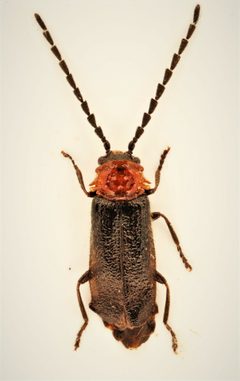
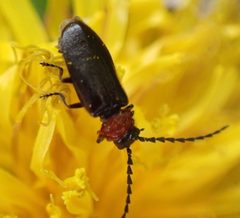
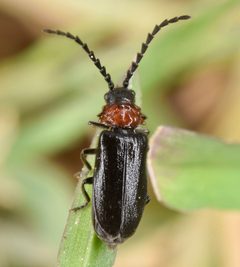
Ditemnus is a of soldier beetles ( Cantharidae) established by LeConte in 1861. Members of this genus are found in North America and are characterized by their soft, elongated bodies and flexible typical of the family. The genus contains multiple , though species-level has undergone revision. Soldier beetles in this genus are active during daylight hours and are often found on flowers and foliage.
Pronunciation
How to pronounce Ditemnus: //daɪˈtɛm.nəs//
These audio files are automatically generated. While they are not always 100% accurate, they are a good starting point.
Identification
Ditemnus can be distinguished from other Cantharidae by combinations of antennal structure, pronotal shape, and male genitalia characteristics. The genus lacks the strongly flattened body form seen in some related genera. Accurate identification to species requires examination of specific morphological features including the structure of the and details of the elytral punctuation pattern.
Images
Distribution
North America
Similar Taxa
- CantharisBoth are Cantharidae with elongated bodies; Ditemnus differs in antennal structure and male genitalia
- RhagonychaSimilar overall appearance and use; distinguished by pronotal and antennal characteristics
More Details
Taxonomic History
The Ditemnus has been subject to taxonomic revision, with some formerly placed here transferred to other genera. The current circumscription reflects modern morphological and molecular studies of Cantharidae.
Research Status
Relatively few detailed ecological studies exist for Ditemnus compared to better-known soldier beetle . Most available information comes from taxonomic revisions and collection records rather than field studies of or .