
Polemius
LeConte, 1851
soldier beetle
Species Guides
6- Polemius binotatus
- Polemius canadensis
- Polemius laticornis(Wide-horned Soldier Beetle)
- Polemius limbatus
- Polemius repandus
- Polemius strenuus
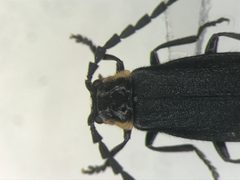
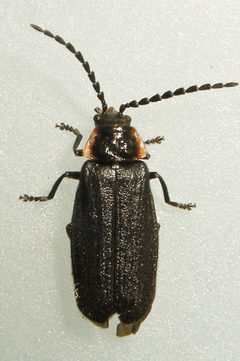
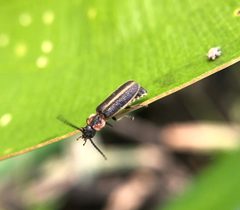
Polemius is a of soldier beetles in the Cantharidae, Silinae. The genus contains approximately 16 described , with the majority distributed in the Neotropical region and 17 species in the Nearctic region. A distinctive subgenus, Brachypolemius, is characterized by brachelytry (shortened ) and high-altitude Andean distribution.
Pronunciation
How to pronounce Polemius: /poʊˈliː.mi.əs/
These audio files are automatically generated. While they are not always 100% accurate, they are a good starting point.
Identification
Members of the subgenus Brachypolemius exhibit extreme brachelytry: males possess shortened exposing three abdominal segments with reduced hind wings, while females have elytra approximately as long as the pronotum and are completely (lacking metathoracic wings). This in wing reduction is pronounced and associated with high-elevation .
Images
Habitat
High-altitude Andean environments; the subgenus Brachypolemius has been collected at elevations of 4000–4561 m in Peru and Bolivia. Polemius (B.) antauta was collected at 4561 m near a high-altitude mining area using pitfall traps.
Distribution
Neotropical and Nearctic regions. The contains over 100 total, with 17 Nearctic species and the remainder Neotropical. Ten species previously recorded from Peru. The subgenus Brachypolemius is known from Bolivia (Tunari mountains, 4000 m) and Peru (Puno and Junin departments).
Similar Taxa
- DiscodonBoth belong to the Silinae and include brachelytrous ; Discodon huancavelica was described alongside new Polemius species from similar high-altitude Peruvian localities
- Brachypolemius (subgenus)Formerly treated as a separate , now subgenus of Polemius; distinguished by extreme brachelytry and high-elevation Andean distribution