
Tytthonyx
LeConte, 1851
Species Guides
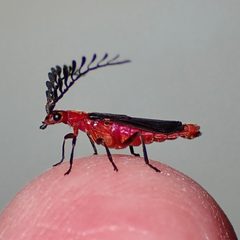
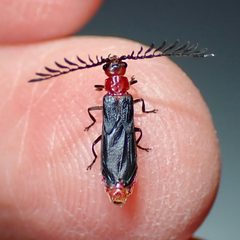
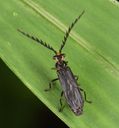
3Tytthonyx is a of soldier beetles comprising approximately 19 described . It occupies a phylogenetically ambiguous position, currently classified as incertae sedis within Silinae in its own tribe Tytthonyxini, though phylogenetic analysis indicates it is sister to Malthininae. The genus exhibits a combination of morphological traits shared with both . Some species possess distinctly serrate .
Pronunciation
How to pronounce Tytthonyx: /ˈtɪθ.ə.nɪks/
These audio files are automatically generated. While they are not always 100% accurate, they are a good starting point.
Identification
Members of Tytthonyx can be distinguished by separated gular and the absence of gonostyli. Some (subgenus Tytthonyx) have distinctly serrate . The shares with a retinaculum, radially symmetrical maxillary palpomeres, pronotum shape, reduced , and specific wing venation patterns with Malthininae, while terminal ventrite/tergite structures and resemble Silinae.
Images
Similar Taxa
- NothotytthonyxExtinct Cretaceous fossil distinguished from Tytthonyx by merged gular and presence of gonostyli
- Malthininae (subfamily)Tytthonyx shares mandibular, palpal, pronotal, elytral, and wing venation characters, but differs in terminal ventrite/tergite and structures
- Silinae (subfamily)Tytthonyx resembles Silinae in terminal ventrite/tergite and structures, but differs in mandibular, palpal, pronotal, elytral, and wing characters
More Details
Taxonomic Position
Tytthonyx has been historically difficult to place within Cantharidae. It is currently classified as incertae sedis within Silinae in its own tribe Tytthonyxini, though phylogenetic analysis has revealed it as the sister group of Malthininae. This intermediate position explains its mosaic of morphological characters from both .
Fossil Record
Tytthonyx has been used as a comparative for interpreting fossil soldier beetles, including the Cretaceous amber Nothotytthonyx from mid-Cretaceous Burmese amber (~99 million years ago).