
Rhagiini
Genus Guides
17Rhagiini is a tribe of longhorn beetles within the Lepturinae. Members are characterized by elongated bodies and flower-visiting . The tribe occurs primarily in the Northern Hemisphere with substantial diversity in North America and Eurasia.
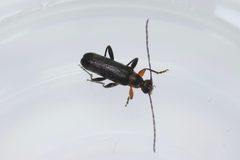

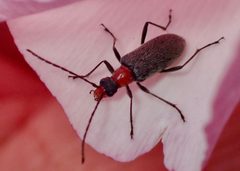
Pronunciation
How to pronounce Rhagiini: /ræˈdʒaɪˌaɪniː/
These audio files are automatically generated. While they are not always 100% accurate, they are a good starting point.
Identification
Rhagiini can be distinguished from other Lepturinae tribes by the combination of: elongated, somewhat parallel-sided body form; usually not exceeding body length; and pronotum shape that is generally cylindrical or slightly constricted at base. Differs from the related Lepturini by generally more robust build and from Strangaliini by less extreme elongation of body and appendages.
Images
Habitat
Associated with forested and woodland , particularly in proximity to flowering vegetation. frequently found on flowers in and understory layers. Larval development occurs in dead or decaying wood of hardwood trees.
Distribution
Primarily Holarctic distribution, with greatest diversity in temperate North America and Eurasia. Extends into northern Neotropical regions and parts of North Africa.
Seasonality
activity peaks during spring and summer months, coinciding with flowering periods of plants. Timing varies geographically from April–June in temperate regions to extended seasons in subtropical areas.
Host Associations
- deciduous hardwood trees - larval development in dead or decaying woodbroad association, specific records vary by
- flowering plants - feeding on pollen and nectar frequently observed on umbellifers, composites, and other flowering vegetation
Life Cycle
Complete with wood-boring larval stage. Larvae tunnel in dead or dying hardwood, creating galleries in sapwood and heartwood. occurs within wood; emerge through exit holes. duration varies by , typically 1–3 years.
Behavior
are and actively visit flowers for feeding. is direct and moderately fast. When disturbed, adults may drop from vegetation or fly to nearby cover. Larvae are solitary wood-borers.
Ecological Role
Larvae contribute to wood decomposition and nutrient cycling in forest . serve as of diverse flowering plants. May fungal spores between trees through larval galleries.
Human Relevance
Occasional pests of timber and stored wood products, though economic impact is generally minor. Some valued by collectors. used as indicators of forest health and quality in ecological assessments.
Similar Taxa
- LepturiniOverlapping distribution and flower-visiting ; distinguished by generally more slender body and longer legs relative to body size
- StrangaliiniSimilar elongated body form; distinguished by more extreme elongation of and legs, and more gracile overall build
- NecydalinaeFormerly included within Lepturinae; distinguished by reduced exposing most of and associated differences
More Details
Taxonomic history
Rhagiini has undergone repeated revision, with generic limits historically unstable. Molecular phylogenetic studies have clarified relationships within Lepturinae, confirming Rhagiini as a distinct lineage separate from Lepturini and Strangaliini.
Flower association
The tribe exhibits pronounced flower-visiting , with of many showing fidelity to particular flowering plant . This has ecological implications for both nutrition and plant pollination services.