
Necydalinae
Latreille, 1832
Genus Guides
2- Necydalis
- Ulochaetes(Lion Beetle)
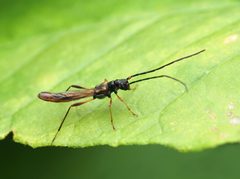
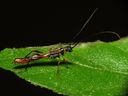
Necydalinae is a small of longhorn beetles (Cerambycidae) historically classified as a tribe within Lepturinae but now recognized as a distinct subfamily. The group is characterized by unusually short for cerambycids, giving them a superficial resemblance to rove beetles (Staphylinidae). Most are or mimics. The subfamily contains only two : Necydalis (Europe, Asia, North America) and Ulochaetes (western North America).

Pronunciation
How to pronounce Necydalinae: /ˌnɛ.sɪˈdæ.lɪˌniː/
These audio files are automatically generated. While they are not always 100% accurate, they are a good starting point.
Identification
Distinguished from other Cerambycidae by short exposing abdominal segments. Resembles rove beetles (Staphylinidae) in general form but differs in having fully developed hindwings and other cerambycid features including structure. Within Cerambycidae, separated from Lepturinae by morphological characters supporting status.
Images
Appearance
Beetles with markedly abbreviated that leave most of the exposed, unlike typical longhorn beetles where elytra cover the entire abdomen. Body form slender and elongated. Most exhibit coloration and patterning that mimics bees or .
Distribution
Holarctic distribution. Necydalis occurs in Europe, Asia, and North America. Genus Ulochaetes is restricted to western North America.
Similar Taxa
- LepturinaeHistorically treated as a tribe within this ; separated based on morphological and molecular evidence supporting distinct subfamily status.
- Staphylinidae (rove beetles)Superficially similar due to short exposing , but distinguished by fully developed hindwings and cerambycid and body structure.
More Details
Taxonomic history
Elevated from tribal status within Lepturinae to rank based on recent phylogenetic studies.
Mimicry
The and mimicry observed in most is considered an evolutionary , though specific protective functions have not been experimentally verified.