
Methia
Newman, 1842
Species Guides
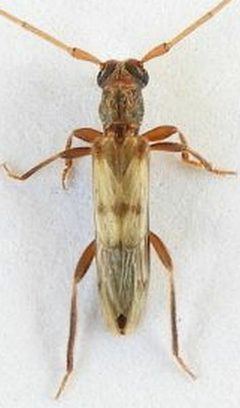
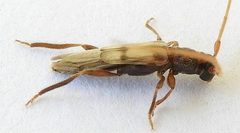
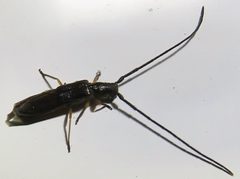
8Methia is a of longhorned beetles in the Cerambycidae, Cerambycinae, and tribe Methiini. The genus was established by Newman in 1842 and contains approximately 40 described distributed primarily in North and Central America, with some species extending into South America. Species within this genus are typically small to medium-sized cerambycids. Methia have been documented as attracted to ultraviolet and mercury vapor lights, suggesting or activity patterns.
Pronunciation
How to pronounce Methia: //ˈmiːθi.ə//
These audio files are automatically generated. While they are not always 100% accurate, they are a good starting point.
Identification
Methia can be distinguished from similar cerambycine by their small to moderate size and placement within the tribe Methiini. The genus is characterized by features typical of the tribe, though specific diagnostic characters for the genus itself require examination of detailed morphological traits. Species-level identification within Methia relies on examination of antennal structure, elytral patterning, and genitalia. The genus is most readily separated from superficially similar small cerambycids by a combination of antennal proportions, pronotal shape, and elytral .
Images
Habitat
of Methia occur in diverse across their range, including juniper-oak-pinyon woodlands, montane forests, and sand dune shrublands. The shows particular association with woodland and forest edge habitats in arid and semi-arid regions of western North America.
Distribution
The Methia is distributed from the western and southwestern United States through Mexico and into Central and South America. Documented occurrences include: United States (Arizona, New Mexico, Texas, Utah, Colorado, and other western states), Mexico, Central America, and South America (Argentina, with M. argentina described by Bruch in 1918). The highest appears to occur in the southwestern United States and Mexico.
Seasonality
activity has been documented from late spring through summer, with specific records from June in New Mexico. Attraction to lights occurs at dusk and during nighttime hours.
Behavior
are attracted to ultraviolet and mercury vapor lights, indicating activity. Males and females both exhibit this light attraction . The appears to be primarily nocturnal or in activity pattern.
Ecological Role
As larvae, in this likely function as wood-borers in their plants, contributing to nutrient cycling and creating for other organisms in dead and dying wood. may serve as when feeding on flowers, though this has not been specifically documented for Methia.
Similar Taxa
- Elaphidiini (tribe)Many elaphidiine cerambycids are similar in small size and general appearance to Methia, but differ in tribal characters and typically have different antennal proportions.
- HypexilisThis occurs in similar and has been collected at the same light sources; it differs in specific morphological details of the pronotum and .
- NeoclytusSome small Neoclytus overlap in size with Methia, but Neoclytus typically shows more contrasting elytral patterns and different antennal structure.
More Details
Species diversity
The contains approximately 40 described , with the majority described by Linsley (1935–1942) and Chemsak & Linsley (1964–1971). More recent additions include M. dolichoptera (Lingafelter, 2010) and M. longipennis (Martins, 1997).
Light attraction
Methia mormona has been specifically documented as occurring in large numbers at ultraviolet/mercury vapor light setups in montane juniper-oak-pinyon woodland in southern New Mexico, with dozens of individuals attracted to lights over a single evening.