
Colymbetini
Erichson, 1837
Genus Guides
6Colymbetini is a tribe of predaceous diving beetles within the Dytiscidae, established by Erichson in 1837. The tribe comprises approximately 11 and more than 160 described , distributed across multiple continents. Members are aquatic inhabiting various freshwater .
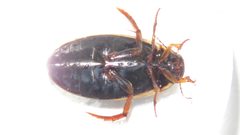
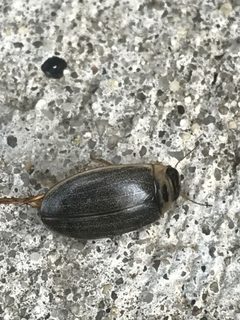
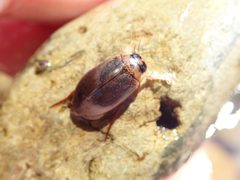
Pronunciation
How to pronounce Colymbetini: //kɔˌlɪmˈbɛtɪnaɪ//
These audio files are automatically generated. While they are not always 100% accurate, they are a good starting point.
Identification
of Colymbetini can be distinguished from other dytiscid tribes by combinations of morphological characters including features of the male genitalia and body shape. First-instar larvae possess diagnostic characters that allow generic-level identification; a key to based on larval exists, though it excludes the monobasic New World genera Bunites and Hoperius due to unknown larvae.
Images
Habitat
Freshwater aquatic environments including ponds, lakes, and other standing or slow-moving water bodies. Specific preferences vary by .
Distribution
Diet
Predatory, feeding on various aquatic and small vertebrates typical of predaceous diving beetles.
Life Cycle
Holometabolous development with , larval, pupal, and stages. Larvae are aquatic and predatory. First-instar larvae have been described for most and possess diagnostic morphological characters.
Ecological Role
in freshwater , contributing to regulation of and serving as prey for larger aquatic and terrestrial predators.
Similar Taxa
- HydroporiniAnother tribe of Dytiscidae; distinguished by differences in body form, male genitalia structure, and larval .
- DytisciniLarger predaceous diving beetles in the same ; generally larger body size and different morphological proportions.
More Details
Phylogenetic relationships
Phylogenetic analysis based on first-instar larval characters suggests that Meladema and Neoscutopterus together form the most derived lineage of Colymbetini, whereas Colymbetes represents the least derived .
Taxonomic note
The number of recognized varies between sources: Wikipedia lists 11 genera while iNaturalist cites approximately 9 genera. This discrepancy likely reflects recent taxonomic revisions, including the establishment of Meridiorhantus in 2017.