Hoperius
Fall, 1927
Species Guides
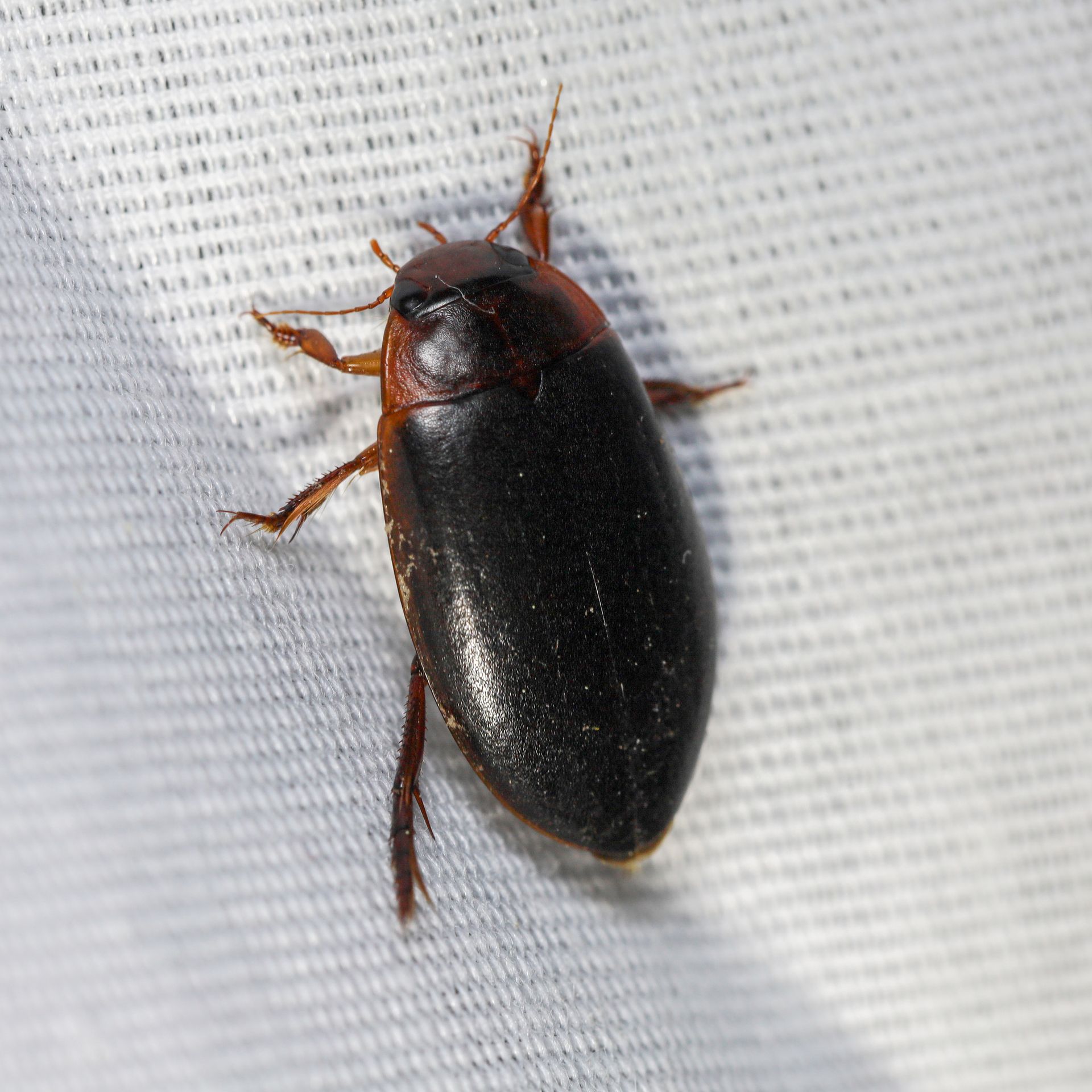
1Hoperius is a of predaceous diving beetles in the Dytiscidae, established by Fall in 1927. The genus contains a single , Hoperius planatus, found in the eastern United States. These beetles are aquatic inhabiting freshwater environments.
Pronunciation
How to pronounce Hoperius: /hoʊˈpɛriːəs/
These audio files are automatically generated. While they are not always 100% accurate, they are a good starting point.
Identification
The Hoperius is distinguished from other Colymbetinae by the unique combination of morphological features in its sole H. planatus. As a genus, species-level identification within Hoperius is unnecessary; however, distinguishing H. planatus from other eastern North American predaceous diving beetles requires examination of elytral , body proportions, and male genitalia. Members of this genus are medium-sized diving beetles with the streamlined body form typical of active aquatic .
Images
Habitat
Freshwater aquatic environments in the eastern United States. Specific microhabitat preferences are poorly documented but consistent with other Colymbetinae in lentic and lotic waters.
Distribution
United States east of the Rocky Mountains. Records are sparse, with only 28 observations documented in iNaturalist as of source date.
Diet
Predatory, as characteristic of the Dytiscidae. Specific prey items for Hoperius planatus have not been documented in the provided sources.
Behavior
Aquatic typical of Dytiscidae, including active swimming using modified hind legs and diving using air stored beneath the . Specific behavioral observations for Hoperius are not documented.
Ecological Role
in freshwater . As with other dytiscid beetles, likely contributes to regulation of and small vertebrate in aquatic .
Similar Taxa
- ColymbetesBoth belong to the tribe Colymbetini and share similar body forms; Colymbetes is more speciose and widespread, requiring careful examination of elytral punctation and male genitalia for separation.
- RhantusAnother colymbetine with overlapping eastern North American distribution; Rhantus often have more pronounced color patterns and different body proportions.
More Details
Taxonomic status
Hoperius is a rare example of a within the -rich Dytiscidae. Its restricted distribution and single species status suggest possible relictual distribution or specialized ecological requirements, though this remains speculative.
Data deficiency
The is notably underdocumented, with only 28 citizen science observations and limited published biological information. This reflects either genuine rarity, cryptic habits, or undercollection relative to other eastern North American dytiscids.