Colymbetinae
Erichson, 1837
Tribe Guides
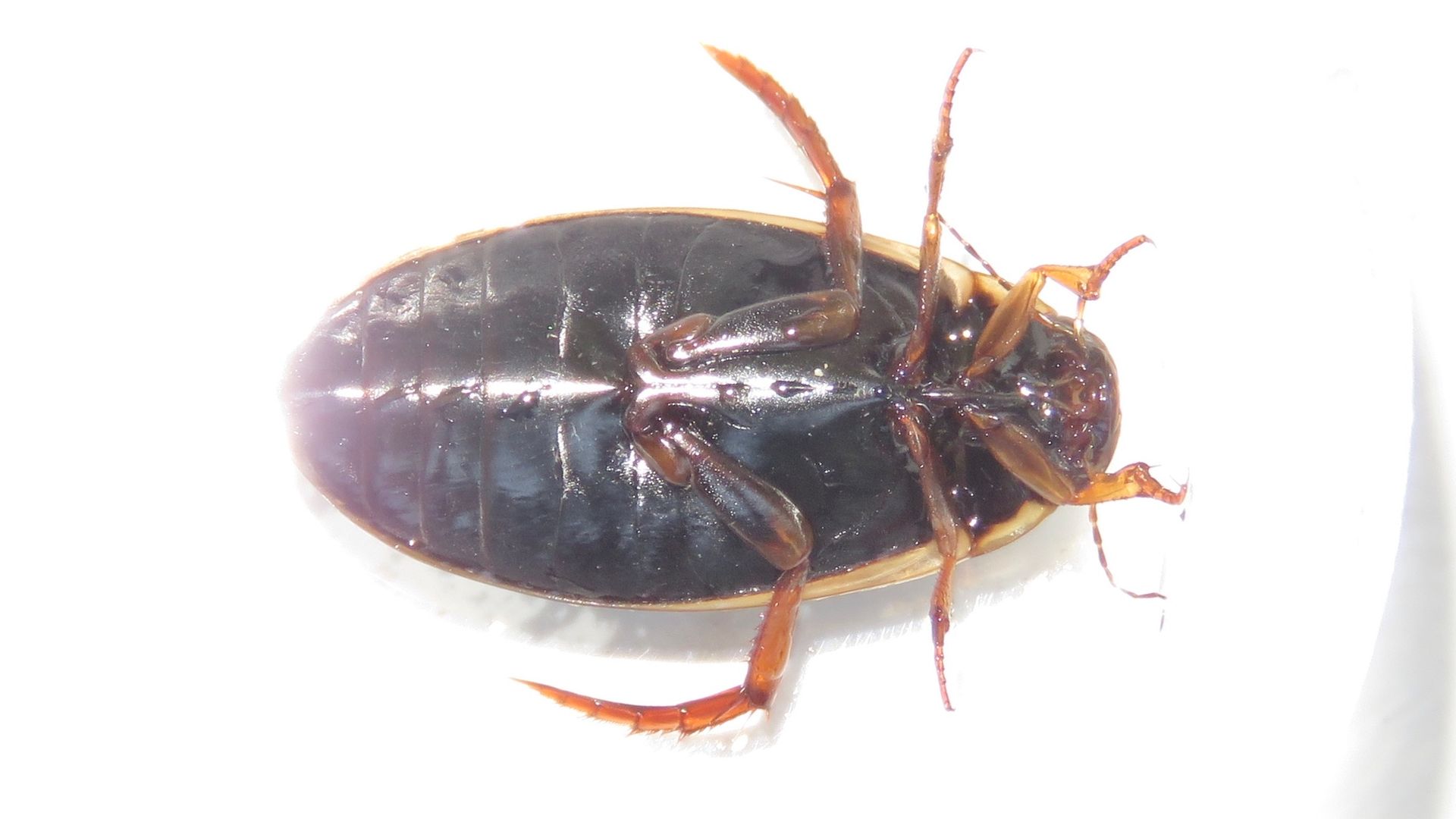
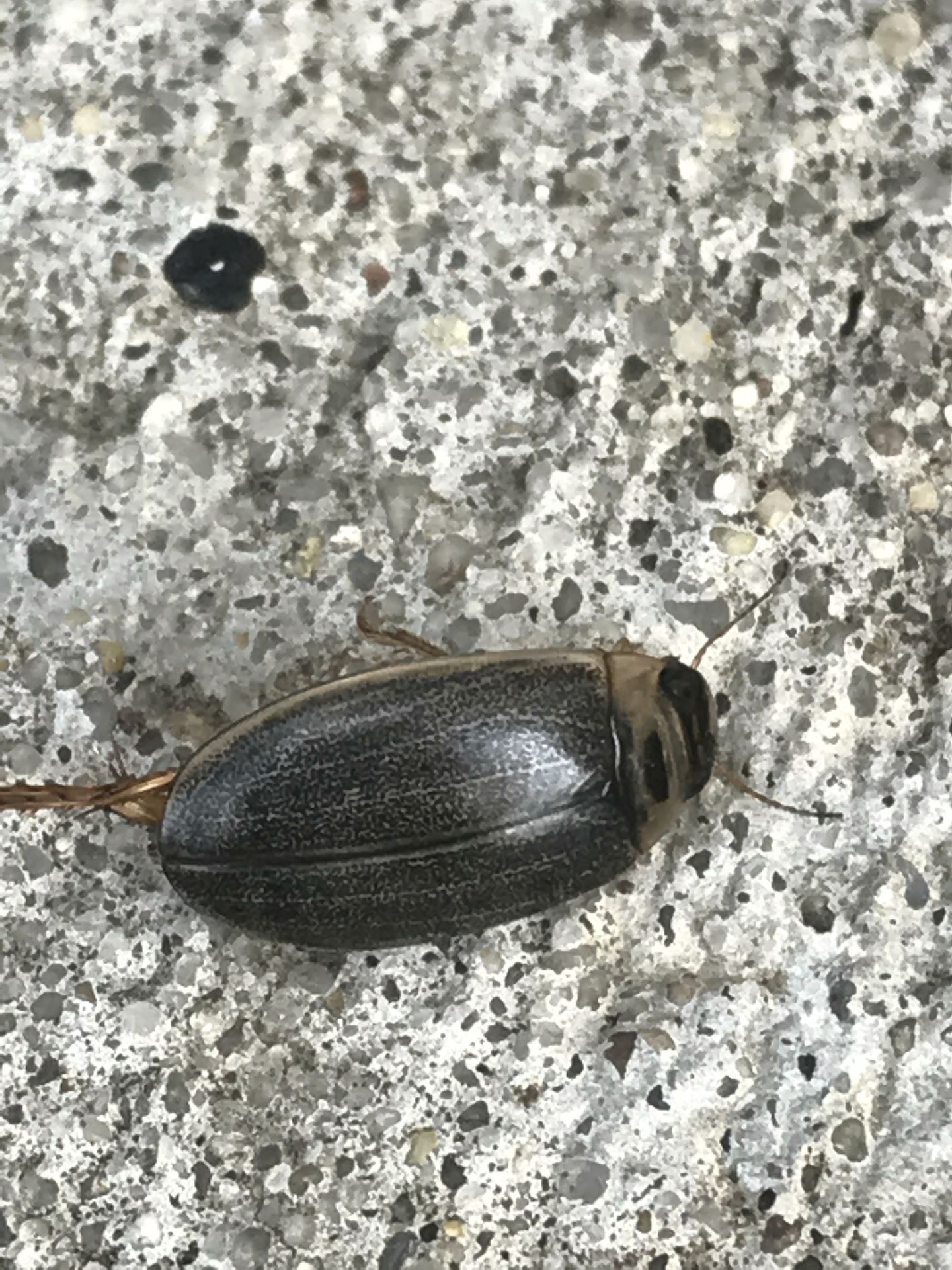
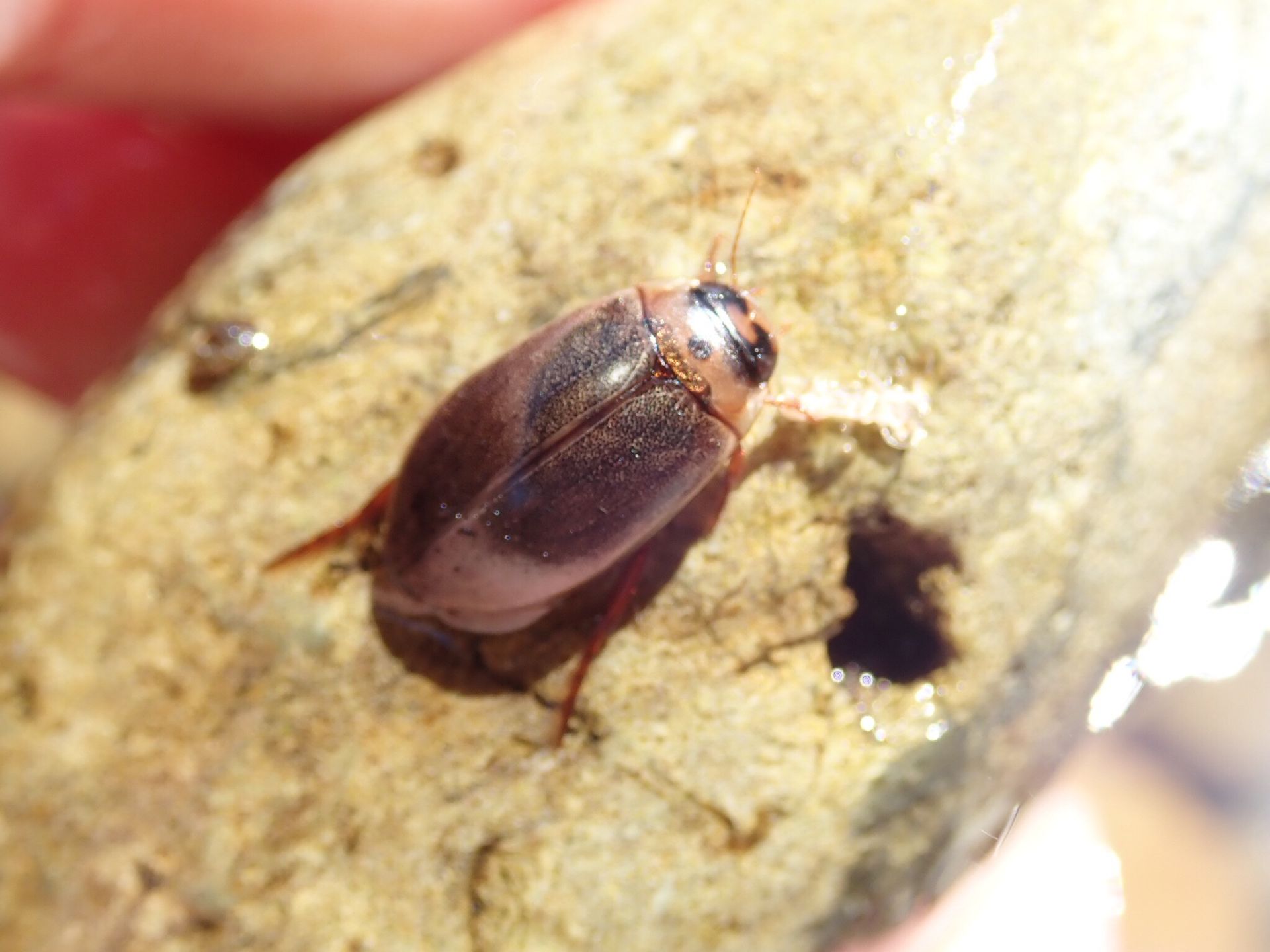
1Colymbetinae is a of predaceous diving beetles in the Dytiscidae, containing approximately 11 and at least 130 described . Members are aquatic found in diverse freshwater across multiple continents. The subfamily includes the genera Colymbetes, Rhantus, Meladema, and others, with some species serving as indicators of wetland conservation value.
Pronunciation
How to pronounce Colymbetinae: /kɒlˈɪmbɛtɪˌniː/
These audio files are automatically generated. While they are not always 100% accurate, they are a good starting point.
Images
Habitat
Members occupy diverse freshwater including lakes, ponds, temporary waters, and wetlands. Specific documented habitats include Melaleuca wetlands in Australia, high-altitude lakes in Peru, and temporary waters in the Fynbos and Succulent Karoo biomes of South Africa.
Distribution
Widespread across multiple continents including North America, South America, Africa, Australia, and Eurasia. Documented occurrences include south-western Australia, Peru, and the winter rainfall zone of South Africa from Namaqualand to Eastern Cape Province.
Life Cycle
Larvae develop through three instars. Second- and third-instar larvae of some are characterized by a basal on the urogomphi combined with posteroventral secondary setae on the protarsus.
Ecological Role
Some have been observed to indicate high conservation value of sampled wetlands.
Sources and further reading
- BugGuide
- Wikipedia
- iNaturalist taxon
- NCBI Taxonomy
- Catalogue of Life
- New records for the Peruvian high-altitude diving beetle Rhantus blancasi Guignot, 1955 (Coleoptera, Dytiscidae, Colymbetinae)
- Bunites distigma (Brullé, 1837): discovery of the second- and third-instar larvae and phylogenetic relationships within the Colymbetinae (Coleoptera: Dytiscidae)
- New records of the diving beetle Rhantus simulans Régimbart, 1908 in south-western Australia (Coleoptera, Dytiscidae, Colymbetinae)
- The phylogenetically isolated South African endemic diving beetle Caperhantus cicurius (Fabricius, 1787): redescription and range extensions (Coleoptera, Dytiscidae, Colymbetinae)
- Dytiscidae and Noteridae of Wisconsin (Coleoptera). IV. Distribution, Habitat, Life Cycle, and Identification of Species of Agabini (Colymbetinae)
- Dytiscidae and Noteridae of Wisconsin (Coleoptera). III. Distribution, Habitat, Life Cycle, and Identification of Species of Colymbetinae, Except Agabini