
Colymbetes
Clairville, 1806
Species Guides
7- Colymbetes dahuricus
- Colymbetes densus
- Colymbetes dolabratus
- Colymbetes exaratus
- Colymbetes incognitus
- Colymbetes longulus
- Colymbetes sculptilis(Sculptured Predaceous Diving Beetle)
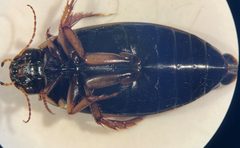
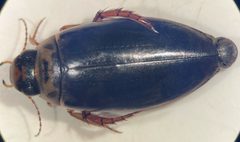
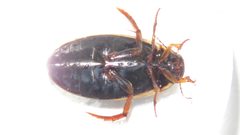
Colymbetes is a of diving beetles in the Dytiscidae, distributed across the Palearctic, Nearctic, Near East, and North Africa. The genus comprises approximately 23 recognized , including well-documented species such as C. fuscus and C. striatus. Members are aquatic inhabiting small water bodies, with documented feeding based on direct gut content analysis.
Pronunciation
How to pronounce Colymbetes: /kɔˈlɪm.bə.tiːz/
These audio files are automatically generated. While they are not always 100% accurate, they are a good starting point.
Images
Habitat
Small water bodies largely overgrown with aquatic vegetation; includes both peatbog and eutrophic water bodies. Specific documented include oxbow lakes and fens in marsh systems, as well as dystrophic water bodies in peatbog systems. are laid primarily in ephemeral puddles and vernal pools with grassy vegetation.
Distribution
Palearctic, including Europe; Nearctic; Near East; North Africa.
Seasonality
Larval stages emerge in April and May.
Diet
Predominantly animal material (84% of gut content): insects including larval and stages, of aquatic (7.1% of specimens), with minor plant material (5.1%) and detritus (3.8%). Documented prey includes Ephemeroptera larvae, Chironomidae larvae, Cladocera, Copepoda, Dytiscidae adults and larvae, other aquatic Coleoptera, Heteroptera, other Diptera, Culicidae larvae, Acari, Ostracoda, Asellus aquaticus, Araneae, and Trichoptera larvae. Both studied (C. fuscus and C. striatus) showed no significant dietary difference.
Life Cycle
laid primarily in ephemeral puddles and vernal pools with grassy vegetation. Larval stages of C. fuscus and C. striatus typically encountered together.
Behavior
feeding mode; capable of ingesting prey with thick chitinous . Prey size ranges from meiofauna to organisms slightly smaller than themselves. In dystrophic conditions with low prey diversity, consumes incidentally encountered organisms including terrestrial forms drowning on water surface. on larval and Dytiscidae documented.
Ecological Role
in littoral environment; . Integrates biocoenosis through . Contributes to energy transfer between benthic, planktonic, and terrestrial via consumption of aquatic , planktonic crustaceans, and drowning terrestrial insects.
Sources and further reading
- BugGuide
- Wikipedia
- iNaturalist taxon
- NCBI Taxonomy
- Catalogue of Life
- Bug Eric: Review: Diving Beetles of the World
- Food of adult diving beetles Colymbetes fuscus (Linnaeus, 1758) and C. striatus (Linnaeus, 1758) (Coleoptera: Dytiscidae) in the Zehlau Peatbog and in oxbow lakes and fens (the Biebrza Marshes)