
Scaphinotus incompletus
(Schwarz, 1895)
incomplete snail-eating beetle
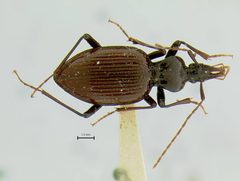
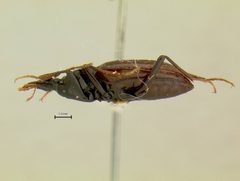
Scaphinotus incompletus is a of ground beetle in the Carabidae, commonly known as the incomplete snail-eating . It is one of the "snail-eating beetles" in the Scaphinotus, characterized by adaptations for on terrestrial mollusks. are brachypterous (short-winged), a trait common in this genus that reflects their ground-dwelling lifestyle and reduced need for . The species is known from a restricted range in the Appalachian region of the eastern United States.
Pronunciation
How to pronounce Scaphinotus incompletus: /ˌskæfɪˈnoʊtəs ˌɪnkəmˈpliːtəs/
These audio files are automatically generated. While they are not always 100% accurate, they are a good starting point.
Identification
The combination of brachypterous , association with mixed evergreen forest in Kentucky and Virginia, and the distinctive elongated characteristic of the Scaphinotus help distinguish this . It may be separated from other Scaphinotus species by subtle morphological differences in mandible structure, body proportions, and male genitalia, though specific diagnostic features for S. incompletus are not detailed in readily available sources.
Images
Appearance
are brachypterous, with reduced wing structures that render them flightless. Like other members of the Scaphinotus, they possess elongated adapted for extracting snails from their shells. The body form is typical of Carabinae ground beetles: elongated, somewhat flattened, with prominent legs for running. Specific coloration and detailed morphological features are not well documented in available sources.
Habitat
Mixed evergreen forests, specifically in the Appalachian region of the eastern United States. The is ground-dwelling, typical of the Carabinae .
Distribution
United States: Kentucky and Virginia. The range appears restricted to the Appalachian region of the eastern United States.
Diet
Predatory, specifically adapted for feeding on terrestrial snails and slugs. The elongated are specialized tools for extracting soft-bodied mollusks from their protective shells.
Behavior
Ground-dwelling and , typical of many Carabidae. The brachypterous condition indicates limited ability and a reliance on for movement through forest litter and soil.
Ecological Role
of terrestrial mollusks, potentially playing a role in regulating snail and slug in mixed evergreen forest .
Similar Taxa
- Other Scaphinotus speciesShare the characteristics of elongated for snail and brachypterous condition; distinguished by subtle morphological differences and geographic distribution
- Other Carabinae ground beetles (e.g., Calosoma, Cychrus)Share -level characteristics of large size and predatory habits; distinguished by lack of specialized snail-feeding and typically (fully-winged) condition in most
More Details
Taxonomic authority
The was described by Schwarz in 1895.
Etymology
The specific epithet 'incompletus' and 'incomplete snail-eating ' presumably refer to some aspect of its or development, though the exact meaning is not explained in available sources.
Conservation status
Not formally assessed; the restricted range in two states suggests potential vulnerability to loss, though no specific threats are documented.