Capraiellus panzeri
(Stephens, 1835)
Lesser Cockroach
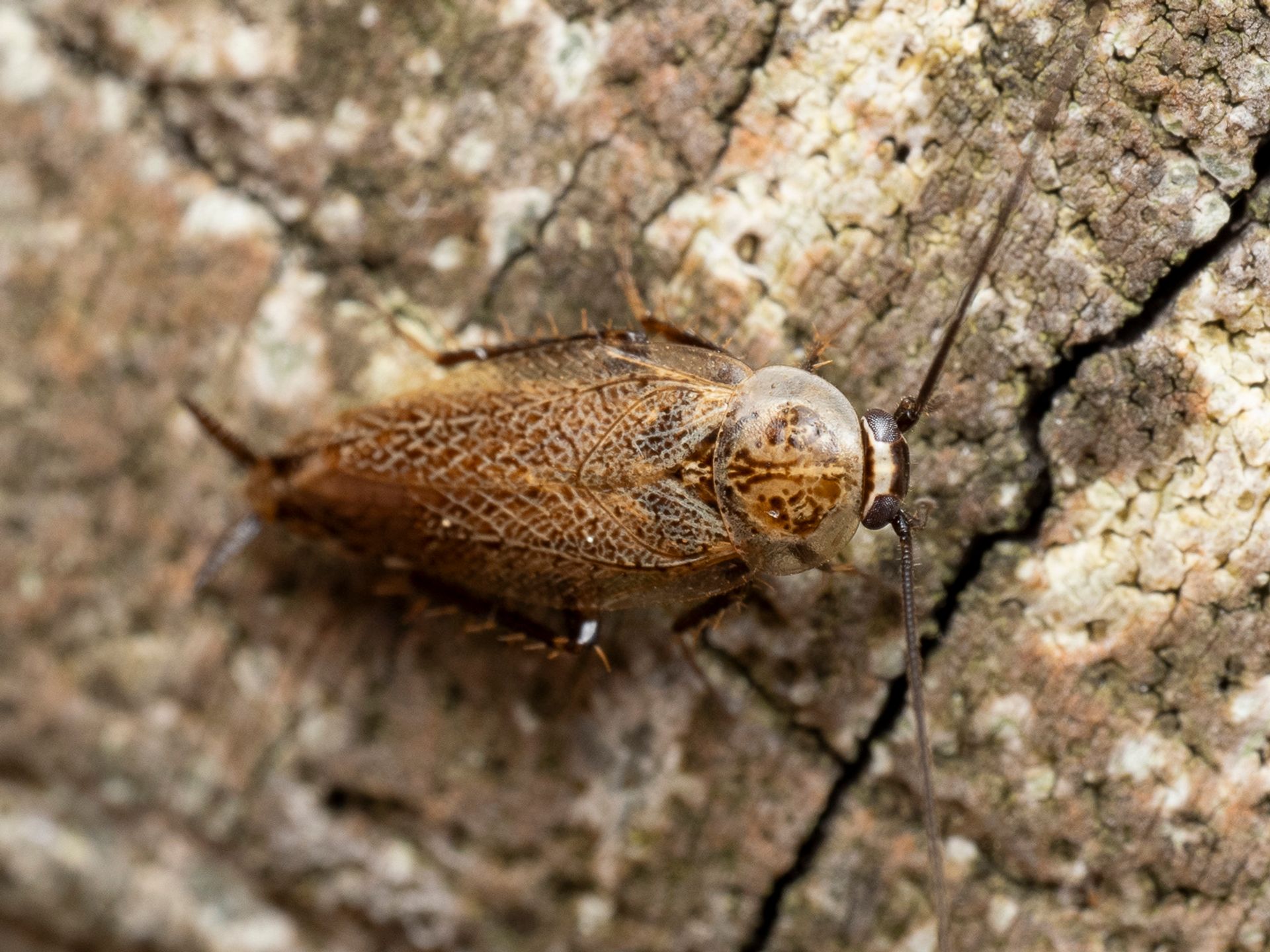
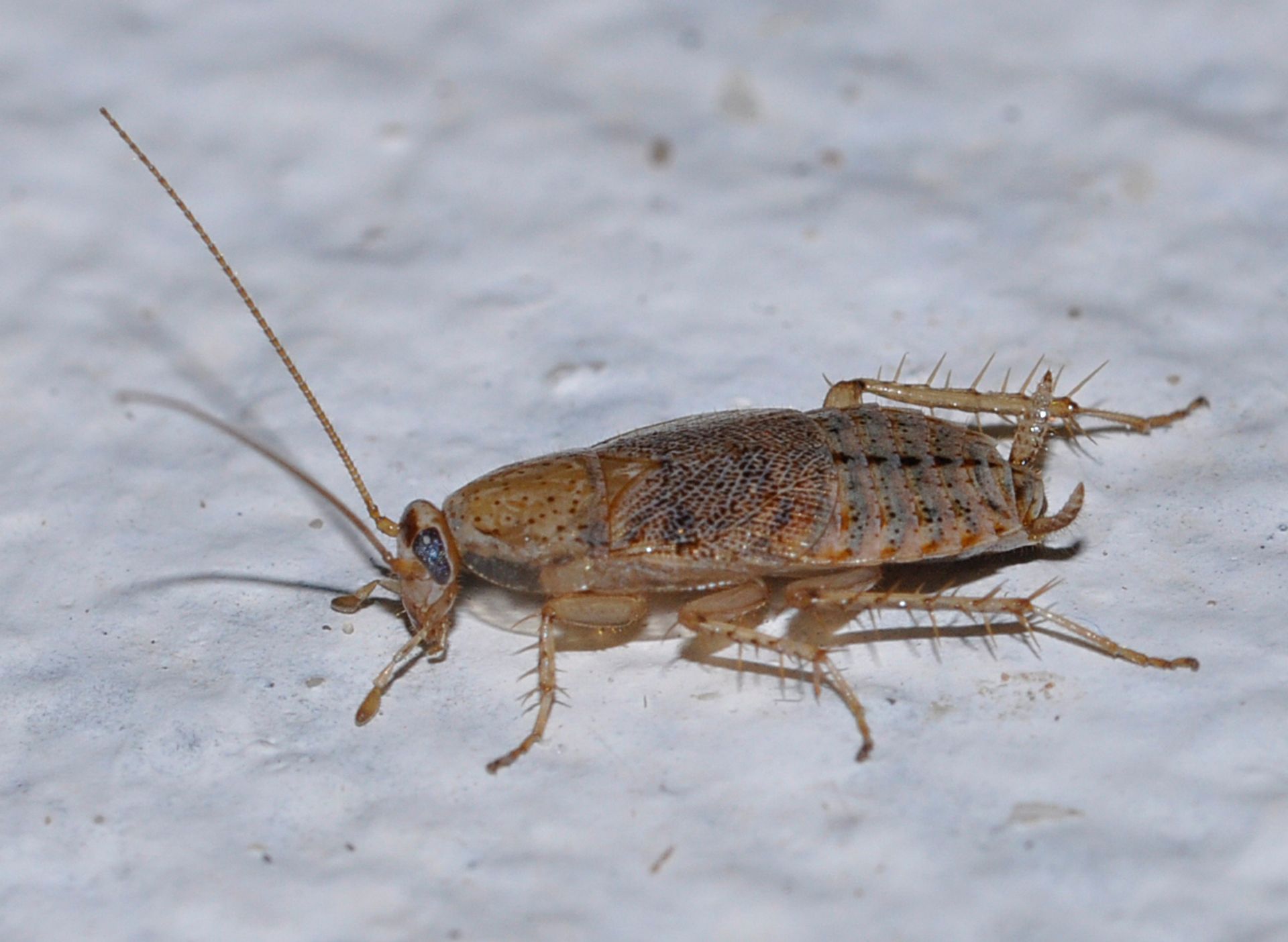
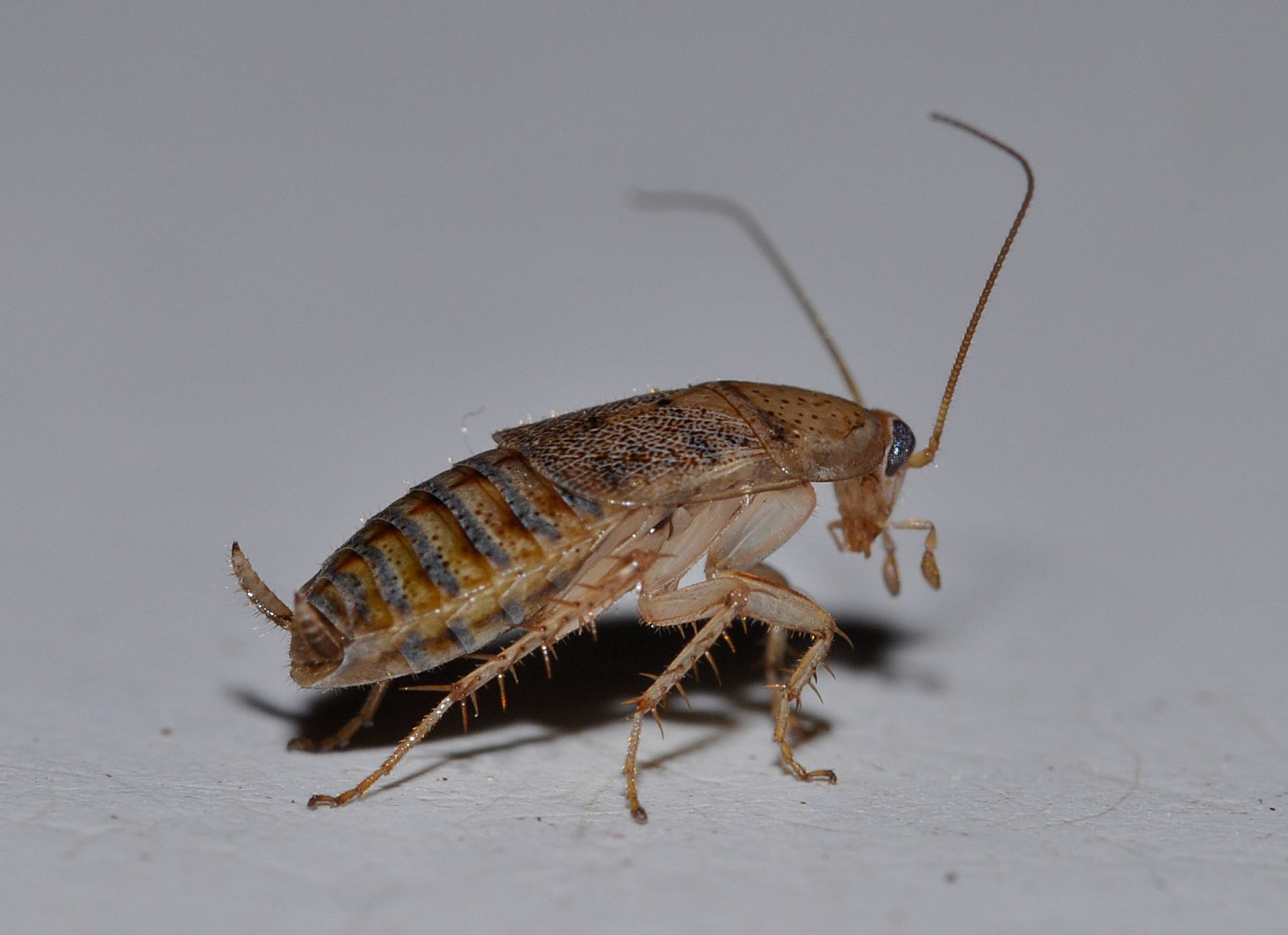
Capraiellus panzeri is a small, non- native to Europe and northwestern Africa, with localized in southern Britain where it is known as the lesser cockroach. Formerly classified as Ectobius panzeri, it was reclassified to the Capraiellus based on recent taxonomic work. It is one of the smaller native European cockroaches and is not associated with human dwellings.
Pronunciation
How to pronounce Capraiellus panzeri: //kæpraɪˈɛləs ˈpænzɛri//
These audio files are automatically generated. While they are not always 100% accurate, they are a good starting point.
Identification
Distinguished from the common Ectobius by its smaller size and more localized, southern British distribution. Differs from Ectobius lapponicus (dusky cockroach) and Ectobius pallidus (pallid ) by its generally paler coloration and preferences. Separation from other Capraiellus species requires examination of genitalia. The combination of small size, fully winged condition in both sexes, and association with dry grassland habitats aids identification.
Images
Appearance
A small , are typically 6–10 mm in length. The body is slender and flattened with long, thread-like . Coloration is generally pale to medium brown with variable patterning. Wings are fully developed in both sexes, extending beyond the . The pronotum often shows indistinct darker markings.
Habitat
Dry, open including coastal dunes, sandy grasslands, heathlands, and dry meadows. Shows preference for well-drained, sandy or calcareous soils with sparse vegetation. In Britain, strongly associated with south coast localities with warm microclimates.
Distribution
Europe: widespread in western and central regions including France, Germany, Belgium, and Denmark. Northwestern Africa: extends into Morocco and Algeria. Britain: localized in southern England, primarily along the south coast from Dorset to Kent, with scattered inland records on suitable substrates.
Seasonality
are active from late spring through autumn, with peak activity during summer months. Nymphs overwinter and mature the following year.
Life Cycle
Hemimetabolous development with () deposited in soil or concealed locations. Nymphal stages occur through summer and autumn, with as late instars. emerge in late spring and persist through summer, with likely single-year in warmer parts of range and possibly two-year cycle in cooler northern localities.
Behavior
Primarily ground-dwelling and in habit, unlike many . are active runners and readily take when disturbed. Aggregates in loose groups under stones, debris, or within tussock bases during inactive periods.
Ecological Role
Decomposer feeding on decaying plant matter and leaf litter in dry grassland . Serves as prey for ground-foraging birds, spiders, and other in open .
Human Relevance
Not a pest ; does not inhabit buildings or stored products. Occasionally encountered by entomologists and naturalists in its restricted British range. Subject of conservation interest in Britain due to localized distribution and loss.
Similar Taxa
- Ectobius lapponicusLarger size (10–12 mm), darker coloration, more widespread distribution across Britain including northern areas
- Ectobius pallidusSimilar pale coloration but larger (9–12 mm), associated with woodland edges rather than open dry grasslands
- Capraiellus tamaniniiMediterranean requiring genital dissection for reliable separation; not known from Britain
More Details
Taxonomic History
Originally described as Ectobius panzeri by Stephens in 1835, this was transferred to the Capraiellus based on morphological and molecular studies. The British was formerly recognized as Ectobius panzeri panzeri.
Conservation Status
Considered nationally scarce in Britain with restricted range; vulnerable to loss from coastal development, agricultural intensification, and abandonment of traditional grassland management.