
Miturgidae
Simon, 1886
Prowling Spiders
Genus Guides
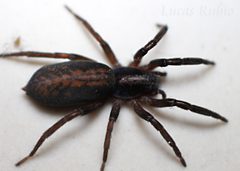
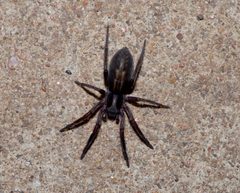
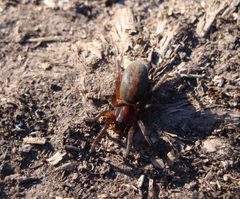
3Miturgidae is a of araneomorph spiders commonly known as prowling spiders. The family includes approximately 160-200 across 33 worldwide. Members are small to medium-sized, active hunters that do not construct permanent webs for prey capture. The family has undergone substantial taxonomic revision, with the former family Zoridae synonymized and the genus Cheiracanthium (longlegged sac spiders) transferred to the separate family Cheiracanthiidae.
Pronunciation
How to pronounce Miturgidae: //mɪˈtɜːrdʒɪˌdeɪ//
These audio files are automatically generated. While they are not always 100% accurate, they are a good starting point.
Images
Habitat
Miturgidae spiders occupy diverse including ground surfaces, foliage, and vegetation. They construct sac-like shelters on vegetation or under rocks and debris. Some are particularly abundant in arid regions; for example, Syspira is common in desert areas of the southwestern United States and Mexico.
Distribution
Worldwide distribution with approximately 33 . Notable regional occurrences include: southwestern United States (southern California to west Texas), Mexico (including Baja California Sur), Hispaniola (Caribbean), and the Caucasus region (Ciscaucasia, Russian Caucasus).
Behavior
activity pattern. Spiders build sac-like silken retreats for daytime shelter. Females deposit and protect within these shelters. Active hunting without web construction; some prowl around outdoor lights to capture attracted insects.
Similar Taxa
- CheiracanthiidaeFormerly classified in Miturgidae; longlegged sac spiders were transferred to this separate in 2014. Cheiracanthium construct similar sac retreats but differ morphologically and in use.
- LycosidaeWolf spiders share similar ground-dwelling habits and active hunting , creating identification challenges. Miturgidae lack the characteristic arrangement of wolf spiders.
- CtenidaeWandering spiders resemble Miturgidae in general appearance and active hunting . Geographic range and subtle morphological differences aid separation.
- ZoropsidaeFalse wolf spiders share parallel dark stripes on the with some Miturgidae, leading to confusion. Detailed examination required for accurate identification.
Sources and further reading
- BugGuide
- Wikipedia
- GBIF taxonomy match
- iNaturalist taxon
- NCBI Taxonomy
- Catalogue of Life
- Bug Eric: Spider Sunday: Prowling Spiders, Syspira
- Bug Eric: Housemates
- Bug Eric: June 2009
- Bug Eric: Spider Sunday: Longlegged Sac Spiders
- Bug Eric: March 2013
- Bug Eric: Masters of Mud: Auplopus Spider Wasps
- CHAPTER 20. Ghosts, Goblins, Pirates, and Other Wandering Hunters: Mimetidae, Corrinidae, Trachelidae, Gnaphosidae, Caponiidae, Dysderidae, Oonopidae, Anyphaenidae, Miturgidae, Eutichuridae, and Liocranidae
- The genus Syspira Simon, 1895 (Araneae: Miturgidae) from Hispaniola, with the description of four new species
- Review of the spider genus Zora C.L. Koch, 1847 (Aranei: Miturgidae) of Ciscaucasia and the Russian Caucasus. New data on the fauna and distribution, with material from neighbouring regions
- Nesting habits of the Japanese foliage spider,Cheiracanthium japonicum(Araneae: Miturgidae): host plant preference based on the physical traits of plant leaves