Rhinotus purpureus
(Pocock, 1894)
purple millipede
A small, in the Siphonotidae, native to the Neotropics but widely introduced globally through human commerce. Frequently found in greenhouses and other , it has been repeatedly described as new due to its variable appearance, resulting in over a dozen synonyms. First recorded from the Indian subcontinent in 2020.
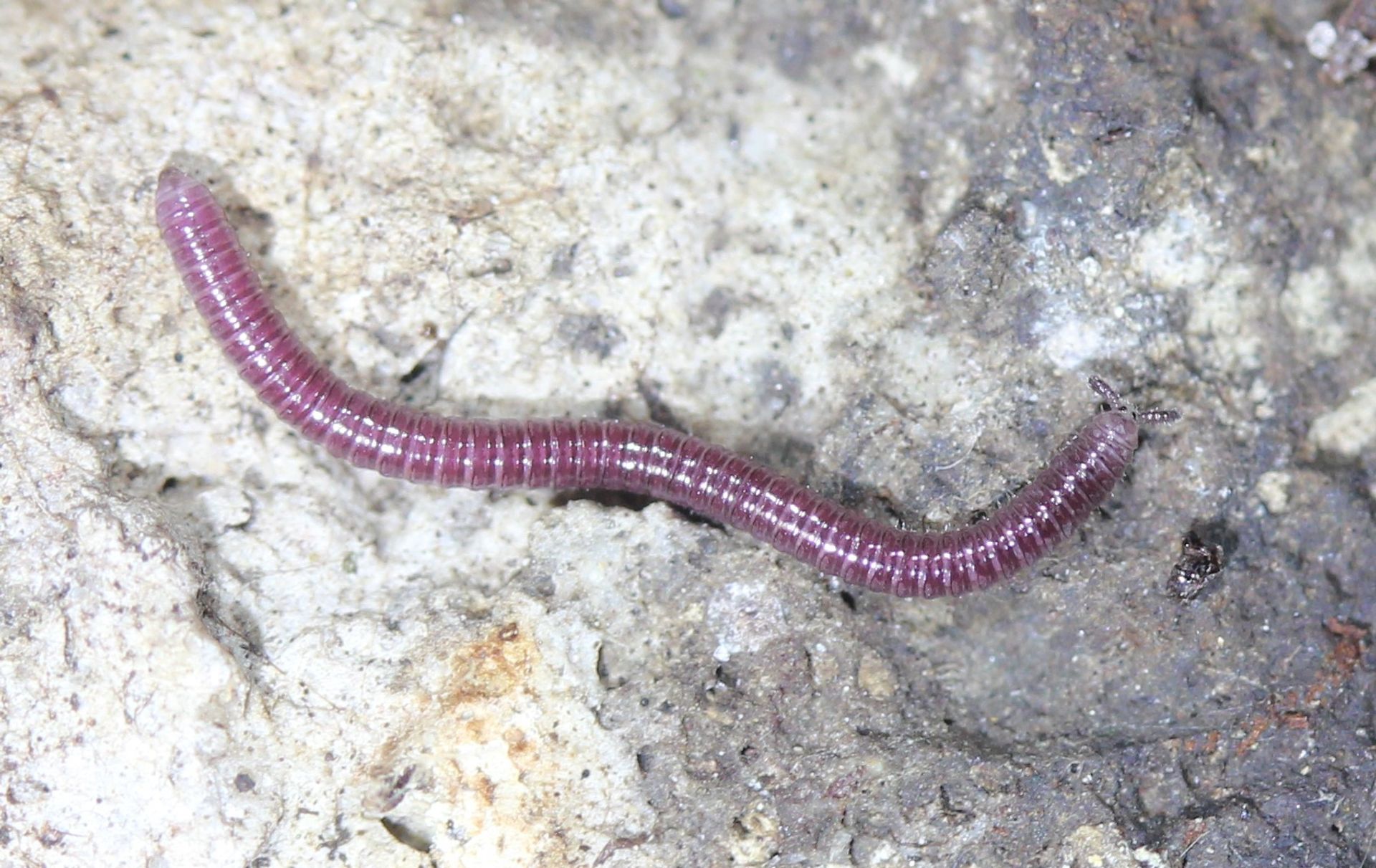
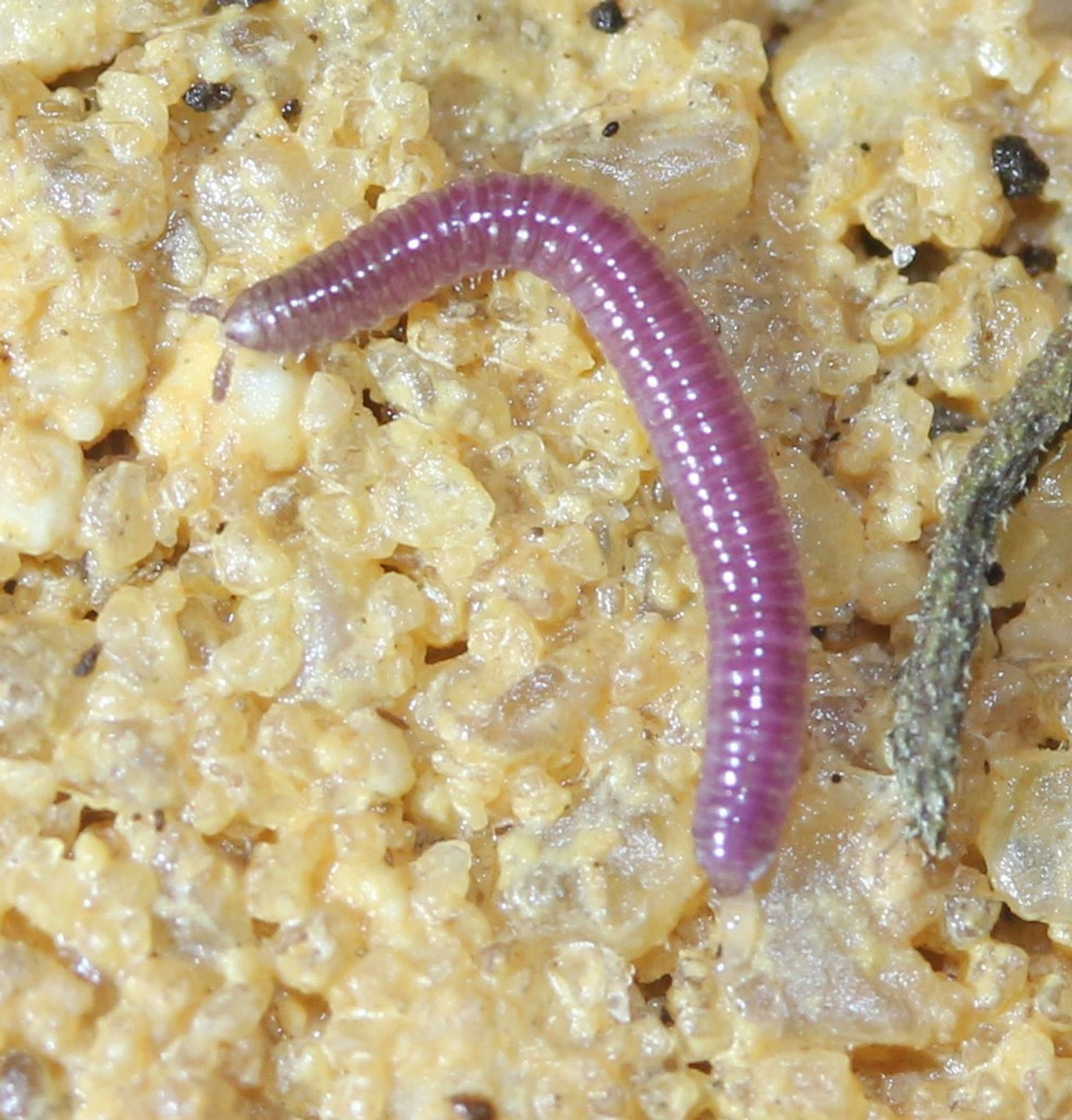
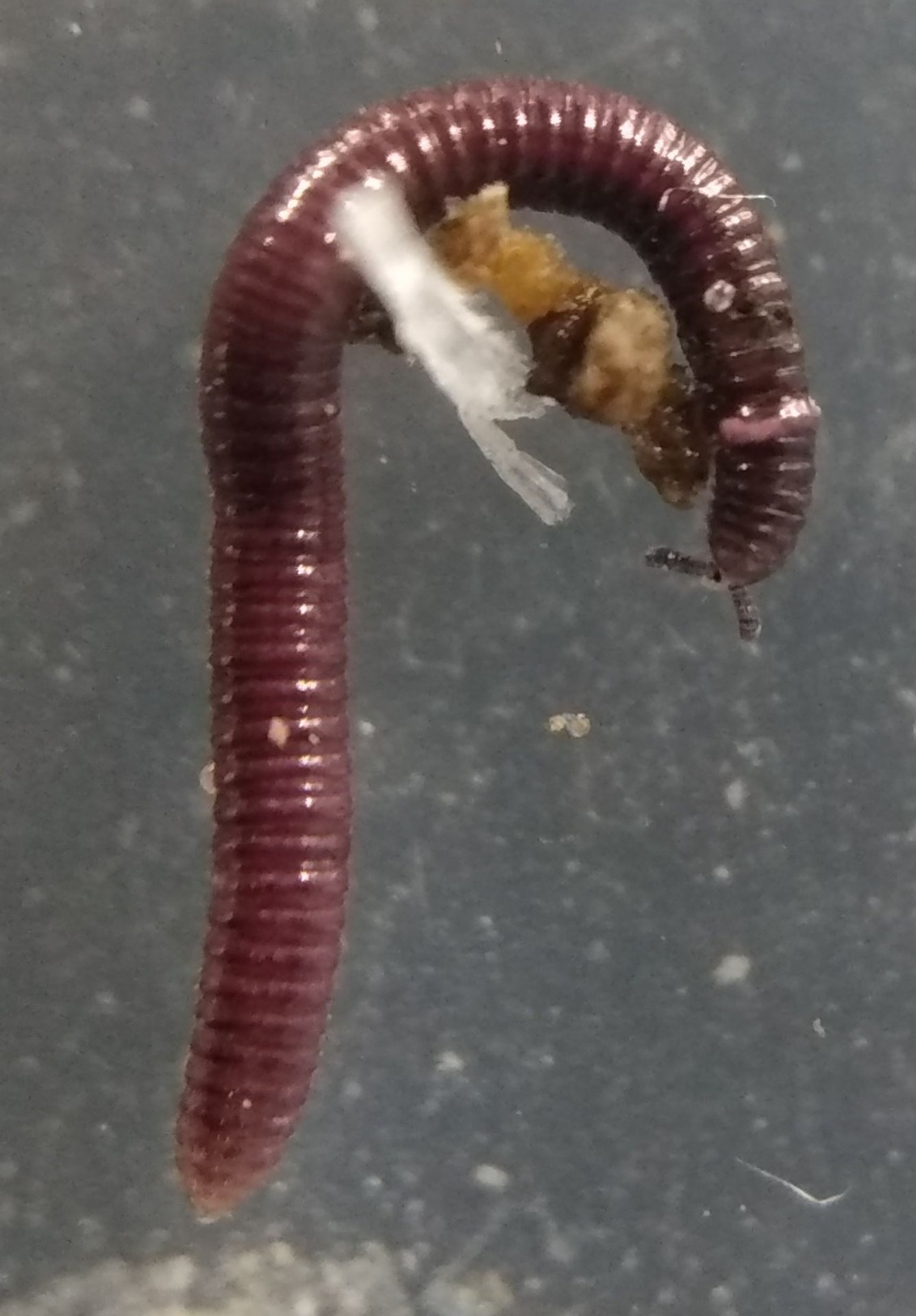
Pronunciation
How to pronounce Rhinotus purpureus: /rɪˈnoʊtəs pɜrˈpjʊriəs/
These audio files are automatically generated. While they are not always 100% accurate, they are a good starting point.
Images
Habitat
Greenhouses and other (human-associated) environments. The thrives in artificial, humid microhabitats created by human activity rather than natural .
Distribution
distribution originating from the Neotropics. Documented from the Caribbean, Central America, North America, and South America. Introduced recorded from Kew Gardens (England), greenhouses in Germany, the southern USA, Comoro Islands, Madagascar, Indian Ocean Islands, Galápagos Islands, and first confirmed record from India (2020).
Diet
Decaying plant matter and organic detritus.
Behavior
Designated as a 'tramp ' due to its frequent association with human transport and establishment in artificial environments far from its native range.
Human Relevance
A common greenhouse pest and hitchhiker in plant commerce. Its presence in greenhouses and gardens worldwide reflects human-mediated . The has no documented agricultural or medical significance.
Sources and further reading
- BugGuide
- GBIF taxonomy match
- iNaturalist taxon
- NCBI Taxonomy
- Catalogue of Life
- Brachys on oak | Beetles In The Bush
- Some recent publications | Beetles In The Bush
- “62nd” Annual “Season-Opener-Birthday-Bug-Collecting-Trip” | Beetles In The Bush
- Mexico | Beetles In The Bush
- On the report of a new world millipede (Rhinotus purpureus) from India