Rhinotus
Cook, 1896
Species Guides
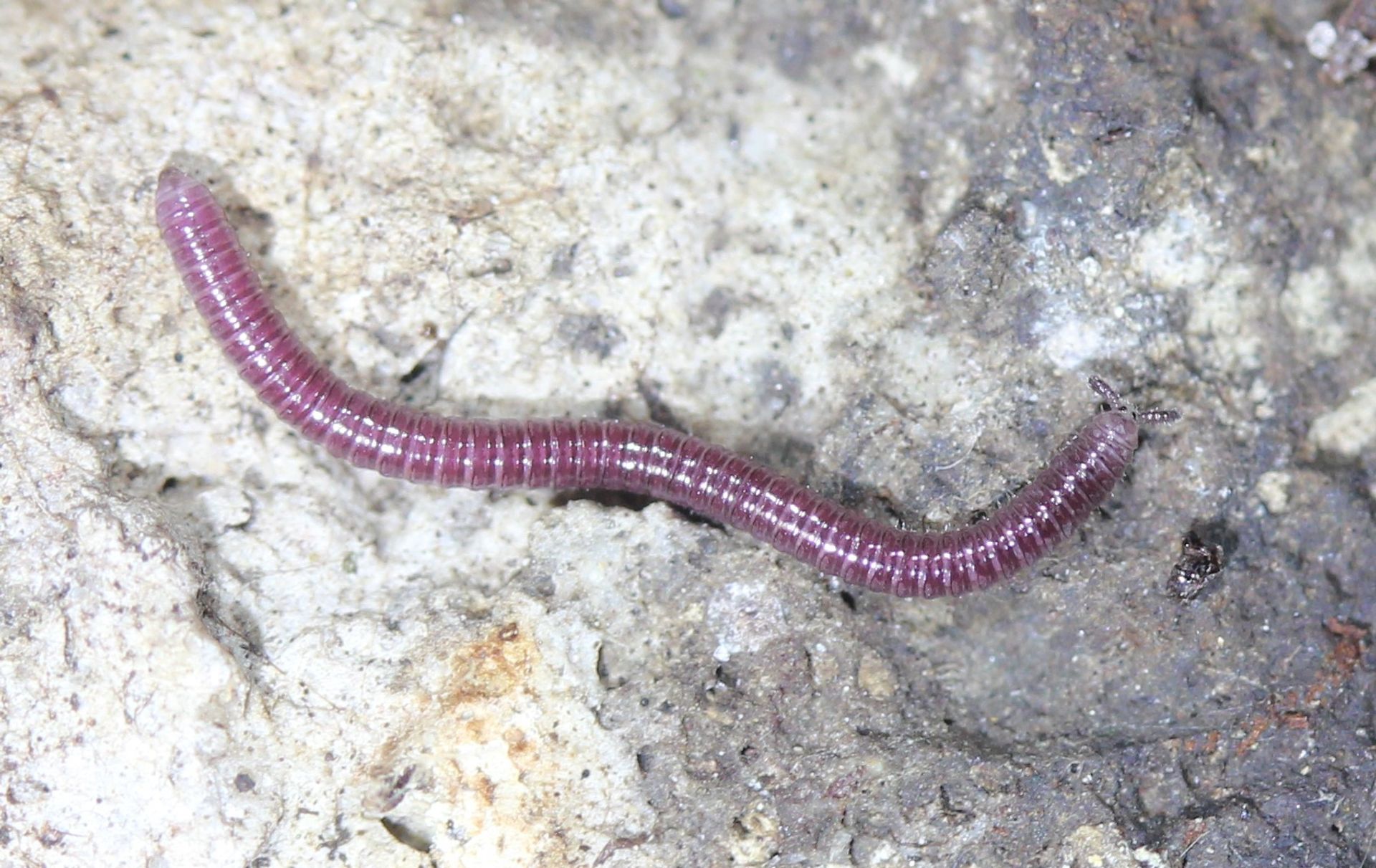
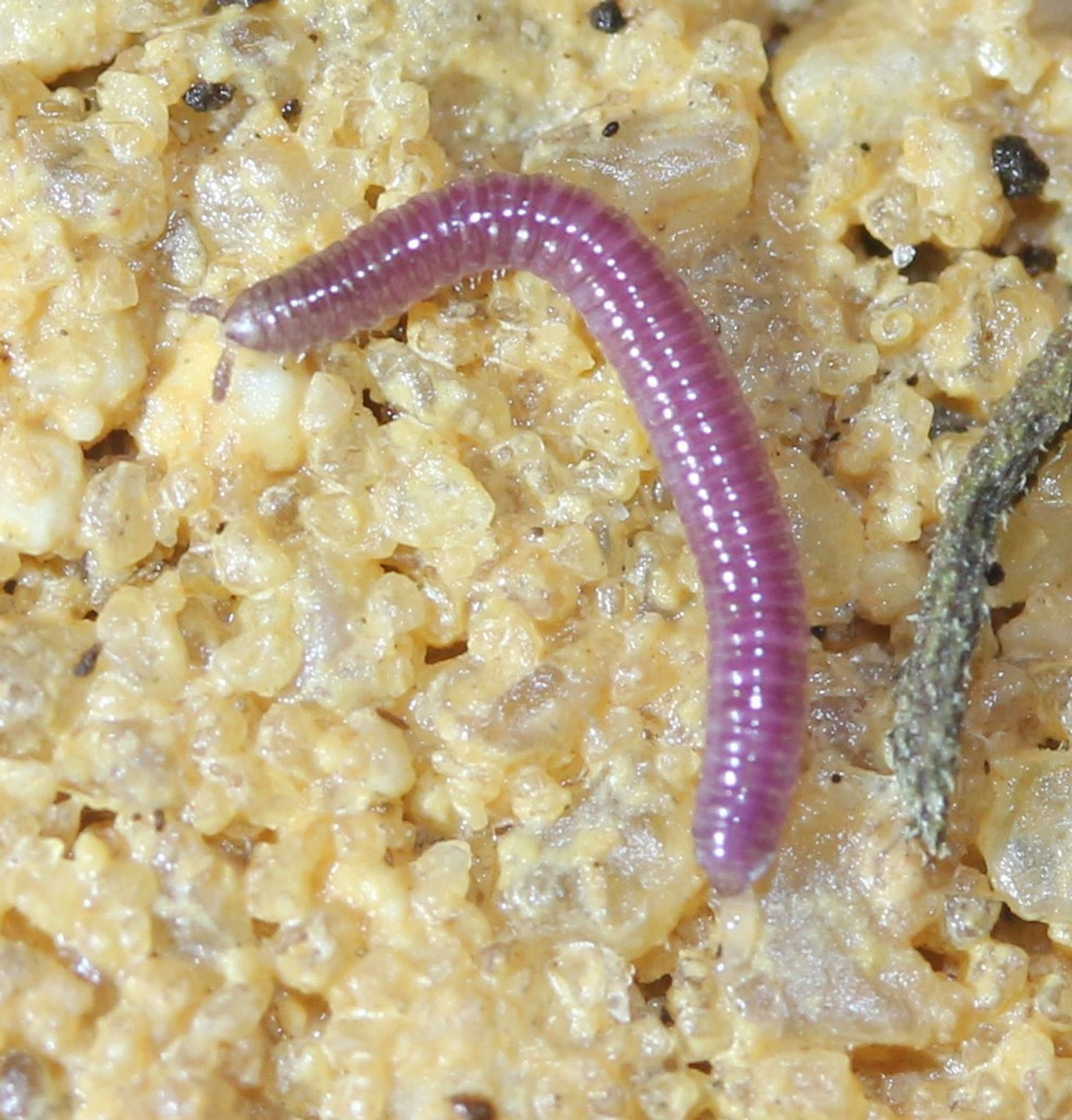
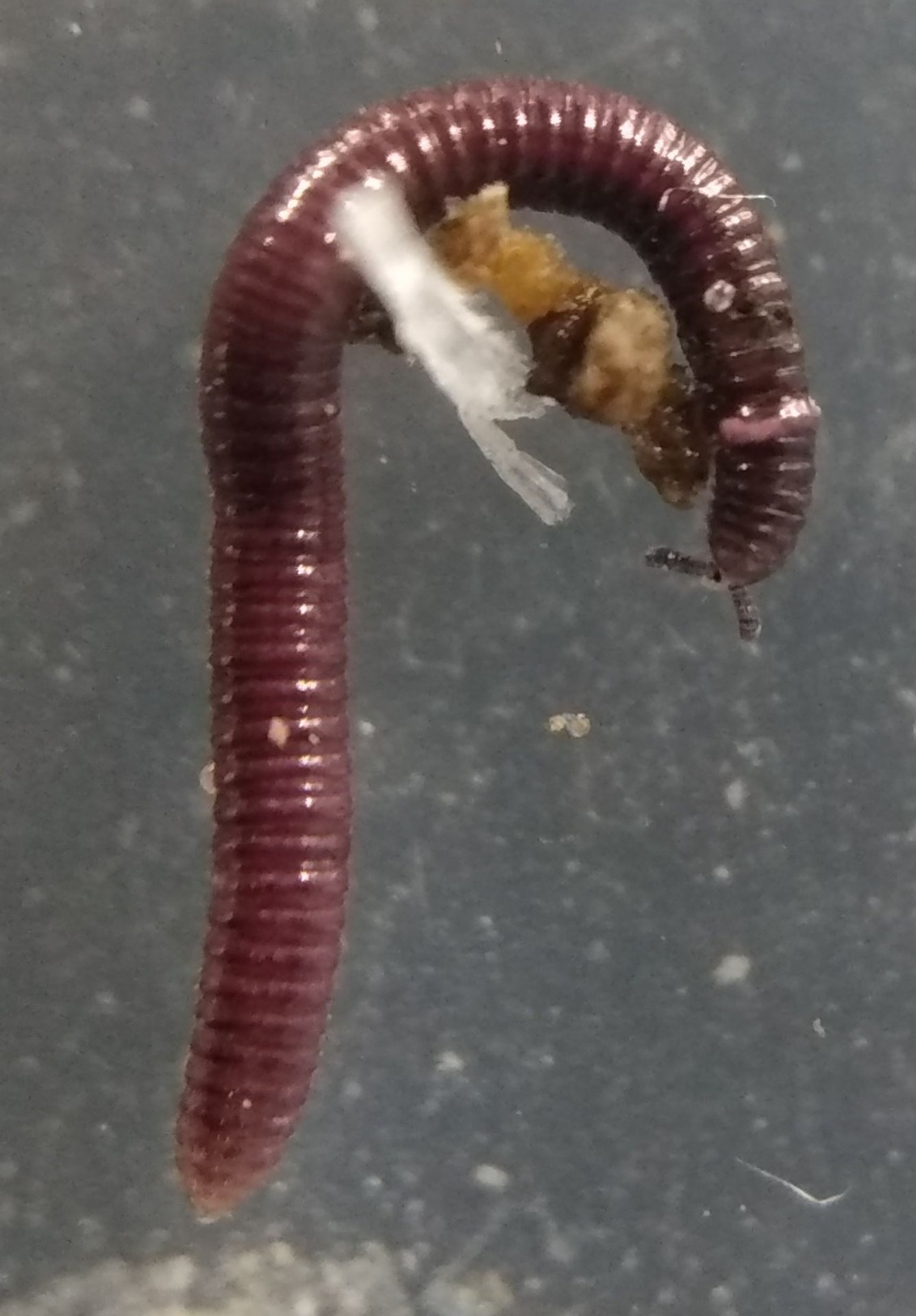
1- Rhinotus purpureus(purple millipede)
Rhinotus is a of millipedes in the Siphonotidae, order Polyzoniida, containing at least 20 described . The genus includes notable tramp species such as Rhinotus purpureus, which has been repeatedly described as new under multiple synonyms and is frequently associated with human-modified environments.
Pronunciation
How to pronounce Rhinotus: //raɪˈnoʊtəs//
These audio files are automatically generated. While they are not always 100% accurate, they are a good starting point.
Identification
Members of Rhinotus can be distinguished from other siphonotid by their position within the tribe Rhinotini; specific diagnostic characters for the genus require examination of and other detailed anatomical features not summarized in available sources.
Images
Habitat
environments including greenhouses; natural preferences for most are poorly documented.
Distribution
distribution for at least some ; Rhinotus purpureus has been recorded from England (Kew Gardens), Germany, Central America, southern United States, Comoro Islands, Madagascar, Indian Ocean Islands, and India.
Behavior
At least one , Rhinotus purpureus, is designated as a common tramp species, frequently transported through human activity and established in greenhouses and other artificial environments far from its native range.
Human Relevance
Rhinotus purpureus is a frequent greenhouse pest or inhabitant, repeatedly introduced to new regions through plant trade and human commerce; the has been subject to taxonomic confusion due to repeated descriptions of the same widespread under different names.
Similar Taxa
- Other Polyzoniida generaRhinotus belongs to the tribe Rhinotini within Siphonotidae; other in the Siphonotidae share the colobognathan with reduced and elongated gnathochilarium, but differ in specific structure and other subtle anatomical features.
More Details
Taxonomic history
Rhinotus purpureus has accumulated more than a dozen synonyms due to its widespread distribution and repeated description as new from different regions; this pattern is characteristic of tramp in millipedes.