
Siphonotidae
Cook, 1895
Genus Guides
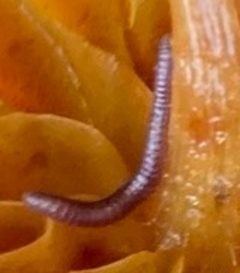
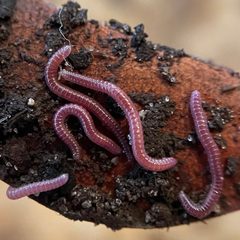
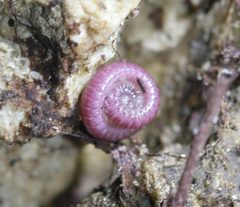
1Siphonotidae is a of millipedes in the order Polyzoniida, established by Cook in 1895. The family comprises more than 70 across 13 . These millipedes are distinguished by a narrow and active, quick movement. Members are distributed across the Southern Hemisphere in South America, South Africa, Madagascar, Southeast Asia, Australia, and New Zealand.
Pronunciation
How to pronounce Siphonotidae: //ˌsaɪfəˈnɒtɪdiː//
These audio files are automatically generated. While they are not always 100% accurate, they are a good starting point.
Identification
Distinguished from other polyzoniidan by the combination of: narrow ; accessory claw on the sixth leg segment; and male located behind the second leg pair. Quick, active movement also noted as a behavioral indicator. Separation from other Colobognatha families requires examination of gonopore position and leg segment .
Images
Appearance
Millipedes in this possess a narrow (terminal body segment). The sixth (most ) segment of each leg bears an accessory claw. The male is positioned to the second pair of legs. Body form is consistent with the Colobognatha suborder, characterized by reduced mouthparts.
Distribution
South America, South Africa, Madagascar, Southeast Asia, Australia, and New Zealand. Distribution is predominantly Southern Hemisphere with notable gaps in tropical Asia and absence from the Northern Hemisphere.
Behavior
Quick and active movement noted as characteristic of this .
Similar Taxa
- Other Polyzoniida familiesShare order-level characteristics but differ in shape, leg segment claw presence, and male position.
- Other ColobognathaShare reduced mouthpart but distinguished by specific traits: narrow , accessory claw on sixth leg segment, and male placement.
More Details
Taxonomic synonymy
Orsilochus is recognized as a taxonomic synonym of Rhinotus within this .
Species diversity
contains more than 70 distributed among 13 , indicating moderate diversification within the group.