
Gosibius
Chamberlin, 1912
Species Guides
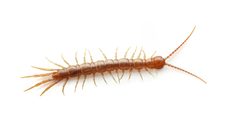
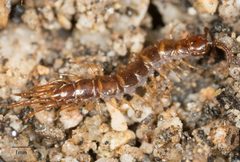
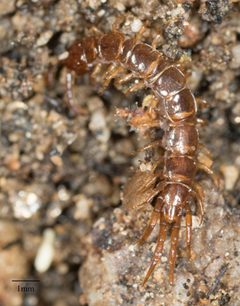
5Gosibius is a of lithobiomorph in the Lithobiidae, established by Chamberlin in 1912. Members of this genus are epigean (surface-dwelling) stone centipedes found primarily in eastern Asia. Like other lithobiids, they possess 15 pairs of legs as and are fast-moving of small . The genus contains multiple described , though comprehensive taxonomic revision remains incomplete.
Pronunciation
How to pronounce Gosibius: /ɡoʊˈsɪbiəs/
These audio files are automatically generated. While they are not always 100% accurate, they are a good starting point.
Identification
Gosibius can be distinguished from other Lithobiidae by subtle differences in tergite and sternite structure, particularly the arrangement of pores and setae on the ultimate legs and genital segments. Specific identification requires examination of in males and the structure of the female gonopods. Differentiation from the closely related genus Lithobius often depends on the number and arrangement of coxal pores on the ultimate legs.
Images
Habitat
Terrestrial; found in forest floor litter, under stones, and in soil crevices in temperate and subtropical regions. occur from lowland to montane elevations.
Distribution
Eastern Asia, including China, Korea, Japan, and adjacent regions. The shows highest diversity in China.
Diet
; preys on small soil-dwelling including insects, worms, and other arthropods.
Life Cycle
Hemianamorphic development: juveniles hatch with fewer than 15 leg pairs and add segments and legs through successive until reaching the complement of 15 leg pairs. involves deposition by males.
Behavior
Fast-moving, agile that rely on speed to capture prey and escape threats. Primarily , seeking shelter under cover during daylight hours.
Ecological Role
in soil and leaf litter ; contributes to regulation of and nutrient cycling through consumption and fragmentation of prey.
Human Relevance
Negligible direct impact; occasionally encountered by field biologists and naturalists. Not known to be medically significant or economically important.
Similar Taxa
- LithobiusOverlapping distribution and similar general ; distinguished by structure and coxal pore patterns on ultimate legs.
- EzembiusAnother Asian lithobiid with similar preferences; separation requires detailed examination of tergite and pore fields.
More Details
Taxonomic Status
The Gosibius was established by R.V. Chamberlin in 1912 based on specimens from China. Several originally described in Lithobius have been transferred to Gosibius, but the boundaries of the genus remain somewhat fluid. Molecular phylogenetic studies are needed to clarify relationships within Lithobiidae and confirm the monophyly of Gosibius.