
Paragnetina
Klapálek, 1907
common stoneflies
Species Guides
3- Paragnetina fumosa(smoky stone)
- Paragnetina immarginata(Beautiful Stone)
- Paragnetina media(embossed stonefly)
Paragnetina is a of stoneflies in the Perlidae containing at least 20 described . Nymphs are aquatic inhabiting lotic environments. The genus has been studied extensively for its sensory and predatory , though most detailed biological data derive from the widespread species P. media.
Pronunciation
How to pronounce Paragnetina: //ˌpær.æɡˈnɛt.ɪ.nə//
These audio files are automatically generated. While they are not always 100% accurate, they are a good starting point.
Identification
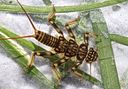
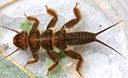
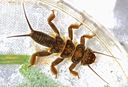
Paragnetina are medium to large perlid stoneflies distinguished from related by genitalic characteristics, particularly male and female subgenital plate . Nymphs possess robust, somewhat flattened bodies with gills located at the base of the legs and on the , distinguishing them from Chloroperlidae. The genus can be separated from other Perlidae by specific arrangements of on mouthparts and , though species-level identification typically requires examination of genitalia.
Images
Habitat
Nymphs inhabit cool, well-oxygenated flowing waters in streams and rivers. They occupy riffle areas with rocky substrates, where spaces provide from and currents. Substrate size influences distribution; nymphs select larger substrates when are present.
Distribution
distributed across temperate eastern North America and Asia. Records include China, the Amur region, and eastern United States (Alabama, Arkansas, Connecticut). Specific distribution varies by .
Seasonality
Diet
Nymphs are predatory, feeding on other aquatic insects including larvae and nymphs. Prey detection involves specialized mechanoreceptive and chemoreceptive on mouthparts and .
Life Cycle
(one per year) in studied . laid in spring hatch in 2-3 weeks. Nymphal development spans approximately 11 months. are short-lived.
Behavior
Nymphs are active that select substrates based on current speed and risk. They avoid smaller substrates when fish predators are present. occurs during daylight hours.
Ecological Role
in lotic , contributing to energy transfer in stream . Serves as prey for fish and other predators. Sensitive to water quality degradation.
Human Relevance
Used as bioindicators of clean, well-oxygenated water. Nymphs are important food for sport fish. Occasionally encountered by anglers as stoneflies.
Similar Taxa
- PerlinellaAlso in tribe Perlini; distinguished by male structure and nymphal gill
- AcroneuriaLarger perlid with different pronotal pattern and male genitalic structure; nymphs often have more pronounced color patterns
- NeoperlaAsian perlid overlapping in distribution; distinguished by wing venation and genitalic characters
Sources and further reading
- BugGuide
- Wikipedia
- GBIF taxonomy match
- iNaturalist taxon
- NCBI Taxonomy
- Catalogue of Life
- Life History and Ecology of Paragnetina media (Walker) (Insecta: Plecoptera) in Doe Run, Meade County, Kentucky
- Distribution and innervation of sensilla on the mouthparts of the carnivorous stonefly nymph, Paragnetina media (Walker) (Plecoptera: Perlidae)
- External morphology and distribution of the antennal sensilla of the stonefly, Paragnetina media (Walker) (Plecoptera : Perlidae)
- Distribution of the Stonefly Nymph Paragnetina media (Plecoptera:Perlidae): Influence of Prey, Predators, Current Speed, and Substrate Composition