
Booneacris alticola
Rehn & Randell, 1962
Marys Peak Wingless Grasshopper
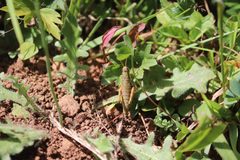
Booneacris alticola, commonly known as the Marys Peak Wingless , is a of spur-throated grasshopper described in 1962. The specific epithet 'alticola' refers to its high-elevation . It belongs to the Melanoplinae, a diverse group of North . The species is characterized by its wingless condition, an common in montane grasshopper species.
Pronunciation
How to pronounce Booneacris alticola: //buːˈniːəkrɪs ˌæltɪˈkoʊlə//
These audio files are automatically generated. While they are not always 100% accurate, they are a good starting point.
Identification
Distinguished from by its wingless condition; the 'alticola' and both indicate this high-elevation status. As a member of the spur-throated grasshopper group, it possesses the diagnostic prosternal spine characteristic of Melanoplinae. Differentiation from other Booneacris requires examination of male genitalia and subtle body proportions.
Images
Habitat
Restricted to high-elevation environments, specifically montane meadows and rocky slopes. The specific epithet 'alticola' (meaning 'dwelling in high places') reflects this alpine to subalpine preference.
Distribution
to the Oregon Coast Range in North America; specifically documented from Marys Peak and surrounding high-elevation areas in Oregon.
Behavior
Winglessness indicates limited capability and reliance on hopping for movement; this trait correlates with stable, isolated montane where long-distance offers limited advantage.
Similar Taxa
- Other Booneacris speciesCongeneric share general body plan and spur-throated ; B. alticola distinguished by wingless condition and high-elevation distribution
- Winged Melanoplinae speciesWinglessness is the primary external distinguishing feature separating B. alticola from fully winged spur-throated grasshoppers in the same region
More Details
Etymology
The specific epithet 'alticola' is derived from Latin 'altus' (high) and 'cola' (dweller), directly referencing the ' high-elevation on Marys Peak.
Conservation implications
Wingless condition and restricted montane distribution suggest limited ability and potential vulnerability to fragmentation and climate change impacts on high-elevation .