
Campylacantha
Scudder, 1897
Species Guides
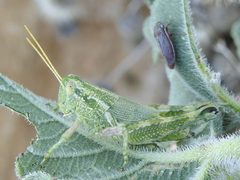
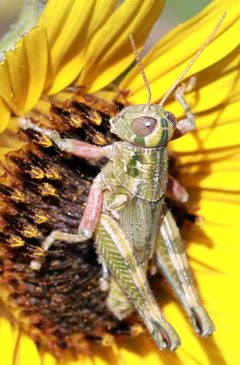
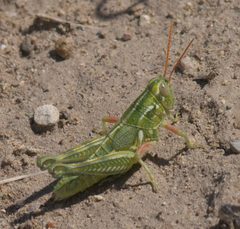
1- Campylacantha olivacea(Fuzzy Olive-Green Grasshopper)
Campylacantha is a of spur-throated grasshoppers in the Acrididae, Melanoplinae. The genus contains five described , including the fuzzy olive-green grasshopper (C. olivacea). These grasshoppers are placed in the tribe Dactylotini and are characterized by the presence of a spur on the surface of the throat (), a defining trait of spur-throated grasshoppers.
Pronunciation
How to pronounce Campylacantha: /ˌkæmpɪləˈkænθə/
These audio files are automatically generated. While they are not always 100% accurate, they are a good starting point.
Identification
Members of Campylacantha can be distinguished from related by the combination of: mesosternal lobes not longer than wide with rounded inner margins (placing them in Melanoplinae rather than Cyrtacanthacridinae); and the presence of a prosternal spur. The male subgenital plate is not deeply notched at the tip. Specific -level identification requires examination of male genitalia, including the shape of the subgenital plate and .
Images
Distribution
of Campylacantha have been recorded in Colorado and Wyoming, with C. olivacea specifically noted as occurring in southeast Colorado.
Similar Taxa
- MelanoplusBoth are spur-throated grasshoppers in Melanoplinae with similar mesosternal structure, but Campylacantha typically have distinct male genitalia and are less commonly encountered in eastern Colorado compared to widespread Melanoplus species.
- DactylotumBoth belong to tribe Dactylotini, but Dactylotum exhibit bright contrasting coloration (black, orange, yellow) with blue-black hind tibiae, whereas Campylacantha species have uniform green to brown coloration including hind tibiae.
More Details
Taxonomic placement
Campylacantha is classified in tribe Dactylotini within Melanoplinae (historically also referred to as Catantopinae). This placement is supported by morphological characters including the rounded mesosternal lobes and non-notched male subgenital plate.
Species diversity
The contains five described : C. acutipennis, C. lamprotata, C. olivacea, C. vegana, and C. vivax. C. olivacea is the most frequently referenced species in regional manuals.