
Amphitornus
McNeill, 1897
slant-faced grasshoppers
Species Guides
1- Amphitornus coloradus(striped slant-face grasshopper)
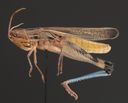
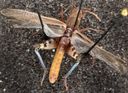
Amphitornus is a of slant-faced grasshoppers in the Acrididae, Gomphocerinae, tribe Eritettigini. The genus contains at least two described : Amphitornus coloradus (striped slant- ) and Amphitornus durangus. Members of this genus are recognized as economically significant rangeland pests in the western United States, particularly in Wyoming and Colorado. Amphitornus coloradus is specifically noted as one of six major pest species in southeastern Wyoming and is characterized by early-season hatching in mid-spring.
Pronunciation
How to pronounce Amphitornus: /æmˈfɪtɔrnəs/
These audio files are automatically generated. While they are not always 100% accurate, they are a good starting point.
Identification
Amphitornus belongs to the slant-faced grasshopper group ( Gomphocerinae), distinguished by a that slants backward toward the body rather than pointing perpendicular to the body axis. This separates it from spur-throated grasshoppers (Melanoplinae), which have a conical spur between the front legs and a perpendicular face, and from bandwinged grasshoppers (Oedipodinae), which have a perpendicular face but lack the spur. Within Gomphocerinae, -level identification requires examination of specific morphological features; A. coloradus is commonly known as the striped slant-face . Nymphs of slant-faced grasshoppers are typically brown, slender, and active.
Images
Habitat
Rangeland and grassland in the western United States. in this are associated with open, dry grassland environments typical of the high plains and intermountain regions.
Distribution
Western United States including Wyoming, Colorado, Montana, Arizona, California, and Illinois. The has also been recorded from Durango, Mexico (type locality of A. durangus).
Seasonality
Early hatching group; nymphs emerge in mid-spring. are present during the summer months. This early-season distinguishes Amphitornus coloradus from intermediate and late-hatching in the same region.
Life Cycle
Overwinters as in . Eggs hatch in mid-spring when soil temperatures reach approximately 50–55°F. Nymphs progress through five instars over 30–50 days under favorable conditions, molting periodically as wing pads develop. appear in summer and females deposit egg pods in soil after a one-to-two week pre-reproductive period.
Ecological Role
As a rangeland herbivore, contributes to forage consumption in grassland . Can reach densities that significantly reduce available forage for livestock.
Human Relevance
Amphitornus coloradus is recognized as a major economic pest of rangeland in southeastern Wyoming and surrounding regions. It is one of six primary pest targeted in cooperative management programs. The species is notably to using applied in bran , and shows low mortality (4% in laboratory, 0% in field) from carbaryl-treated bran baits, making chemical control challenging. Grasshopper management guidelines specifically note that bran bait applications have little or no effect on this species.
Similar Taxa
- Ageneotettix deorumAlso a slant-faced grasshopper (Gomphocerinae) and major rangeland pest in the same region; distinguished by specific morphological features and (whitewhiskered )
- Aulocara elliottiAnother slant-faced rangeland pest in the same region; known as the bigheaded grasshopper
- Cordillacris occipitalisSlant-faced grasshopper and co- pest in southeastern Wyoming ; known as the spottedwing
- Melanoplus bivittatusMajor pest in same region but belongs to spur-throated group (Melanoplinae); distinguished by perpendicular and presence of spur between front legs
- Melanoplus sanguinipesMajor pest in same region but spur-throated; known as the migratory grasshopper