Argia nahuana
Calvert, 1902
Aztec Dancer
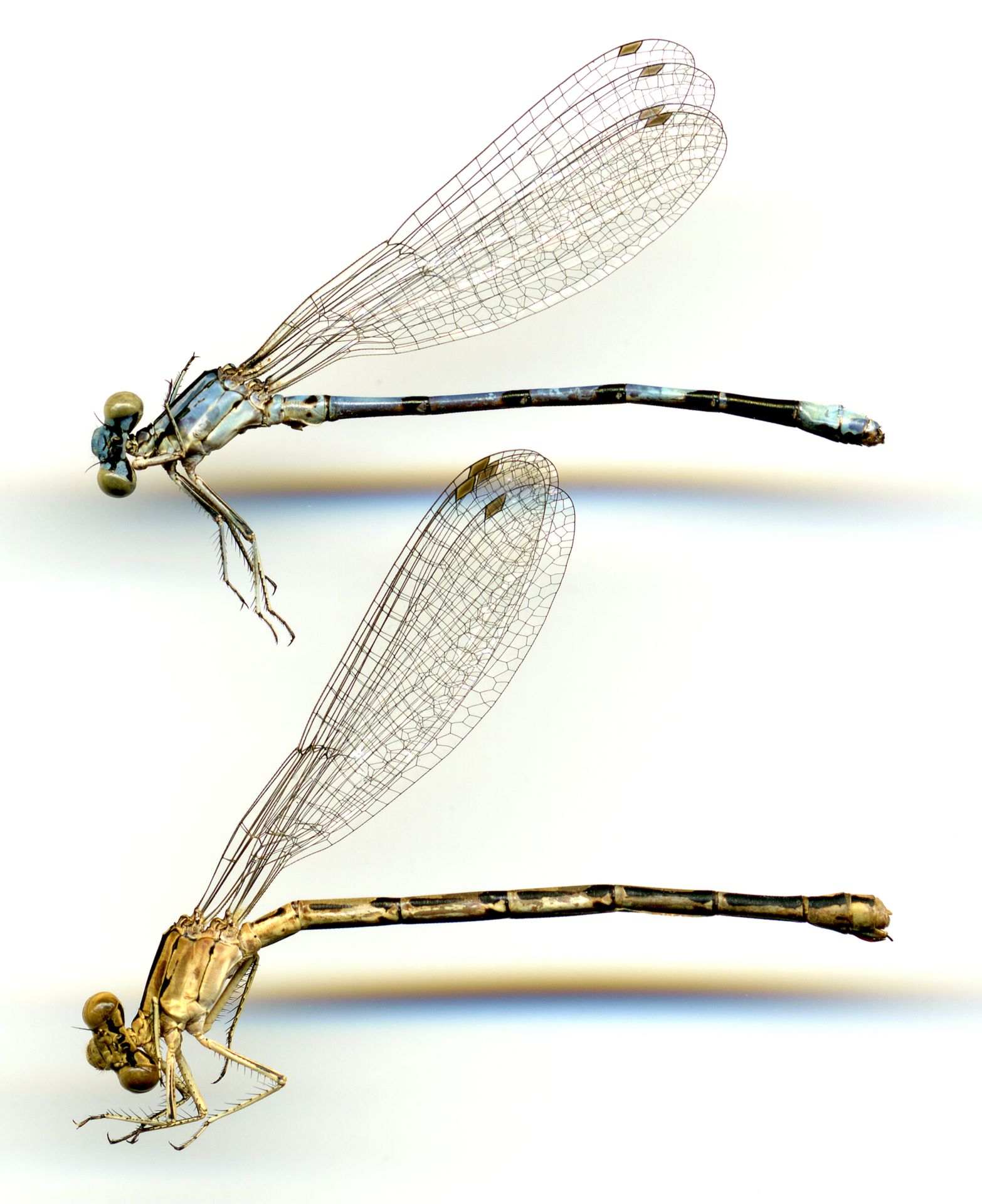
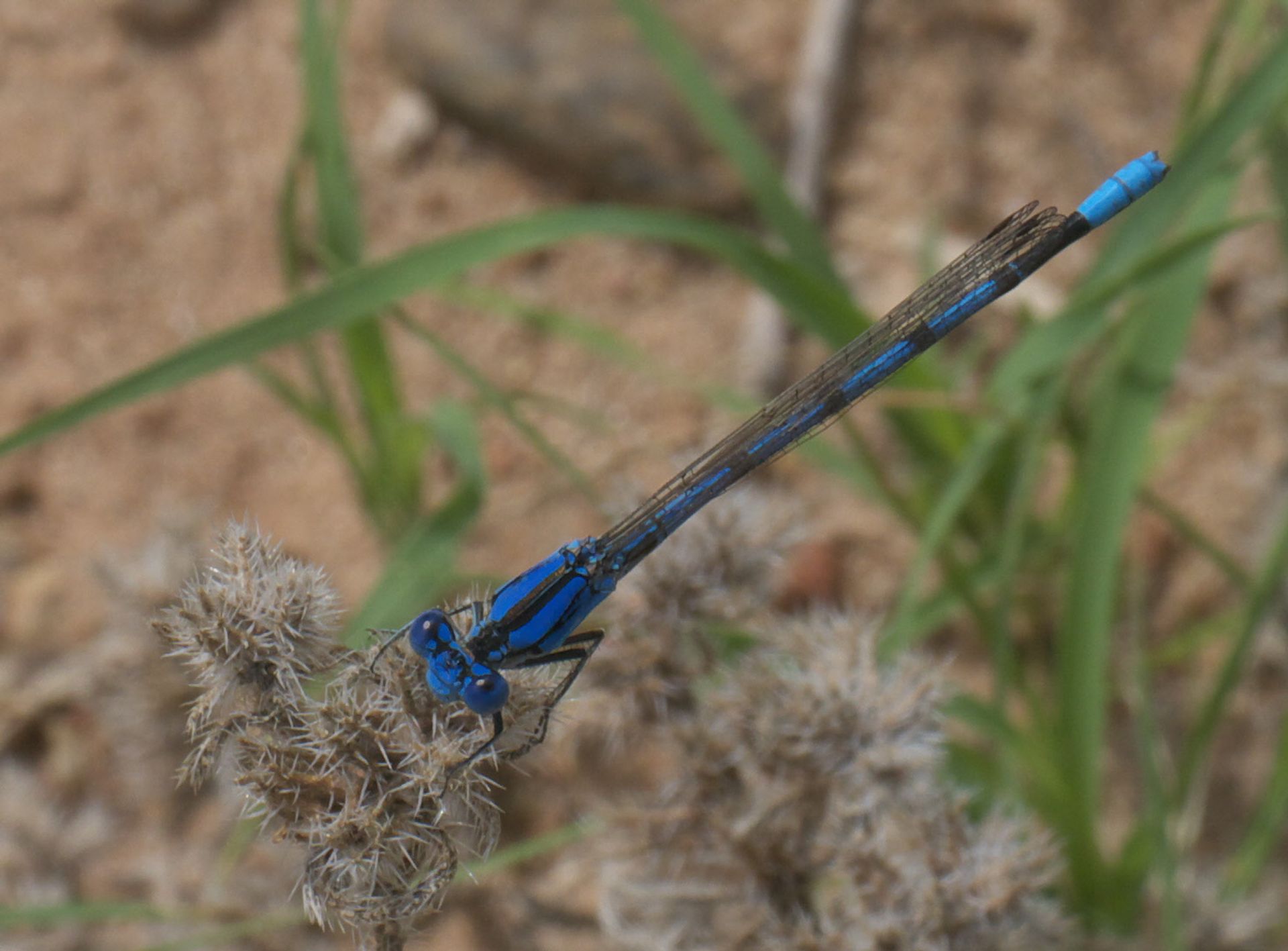
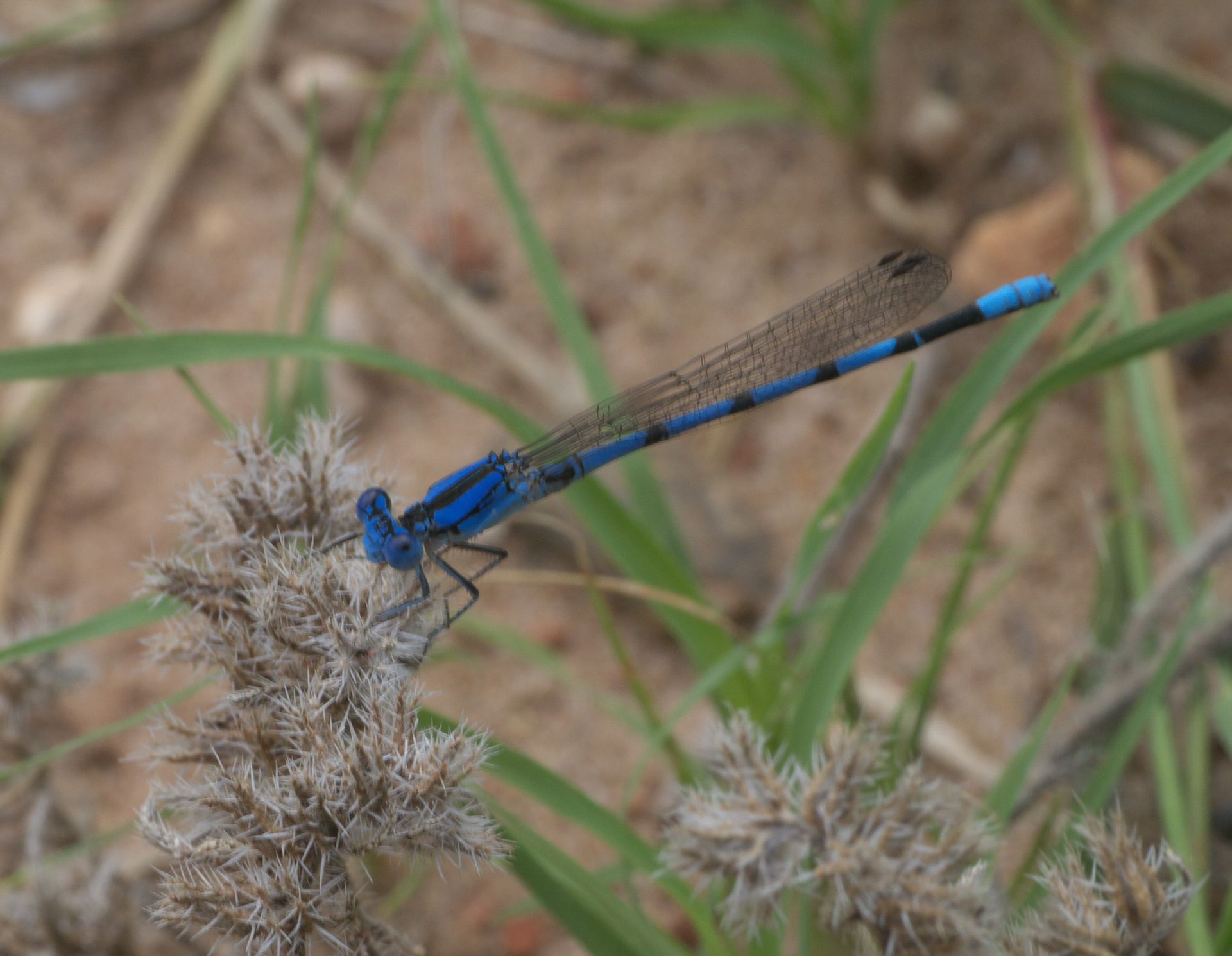
Argia nahuana, commonly known as the Aztec Dancer, is a in the Coenagrionidae. It is a member of the diverse Argia, which contains approximately 114 species in the Western Hemisphere. The species exhibits distinctive morphological features including a forked dark stripe on the side of the and blue postocular spots.
Pronunciation
How to pronounce Argia nahuana: //ˈɑːrdʒiə nəˈwɑːnə//
These audio files are automatically generated. While they are not always 100% accurate, they are a good starting point.
Identification
The Aztec Dancer can be distinguished by several key field marks: a dark black stripe on the side of the that is forked from front to back; blue postocular spots; pale blue legs with a black stripe; and a blue ring on the seventh abdominal segment. These features separate it from similar Argia and other pond damselflies.
Images
Distribution
Middle America and North America.
Behavior
Like other members of the Argia, A. nahuana exhibits the jerky, distinctive pattern characteristic of "dancer" . This contrasts with the direct flight of bluets, forktails, and other pond damselflies. Dancers typically forage in open areas, capturing flying insects on the wing rather than hunting among vegetation. They frequently perch flat on the ground, logs, or rocks with wings slightly raised above the when at rest.
Similar Taxa
- Argia vividaSimilar and , but A. vivida males are bright blue and lacks the forked thoracic stripe of A. nahuana
- Argia moestaAnother dancer with mature males; A. nahuana distinguished by blue postocular spots and abdominal segment markings
Sources and further reading
- BugGuide
- GBIF taxonomy match
- iNaturalist taxon
- NCBI Taxonomy
- Catalogue of Life
- Dragonfly Enthusiasts, Unite! Open House Set Nov. 6 at Bohart Museum | Bug Squad
- Bohart Museum Open House: Dragonflies Rule! | Bug Squad
- Flameskimmers Bring Great Joy | Bug Squad
- Quick! Find the Damselfly! | Bug Squad
- Bug Eric: New Mexico Dragonfly Blitz - Day 3