Perithemis
Hagen, 1861
Amberwings
Species Guides
3- Perithemis domitia(slough amberwing)
- Perithemis intensa(Mexican Amberwing)
- Perithemis tenera(Eastern Amberwing)
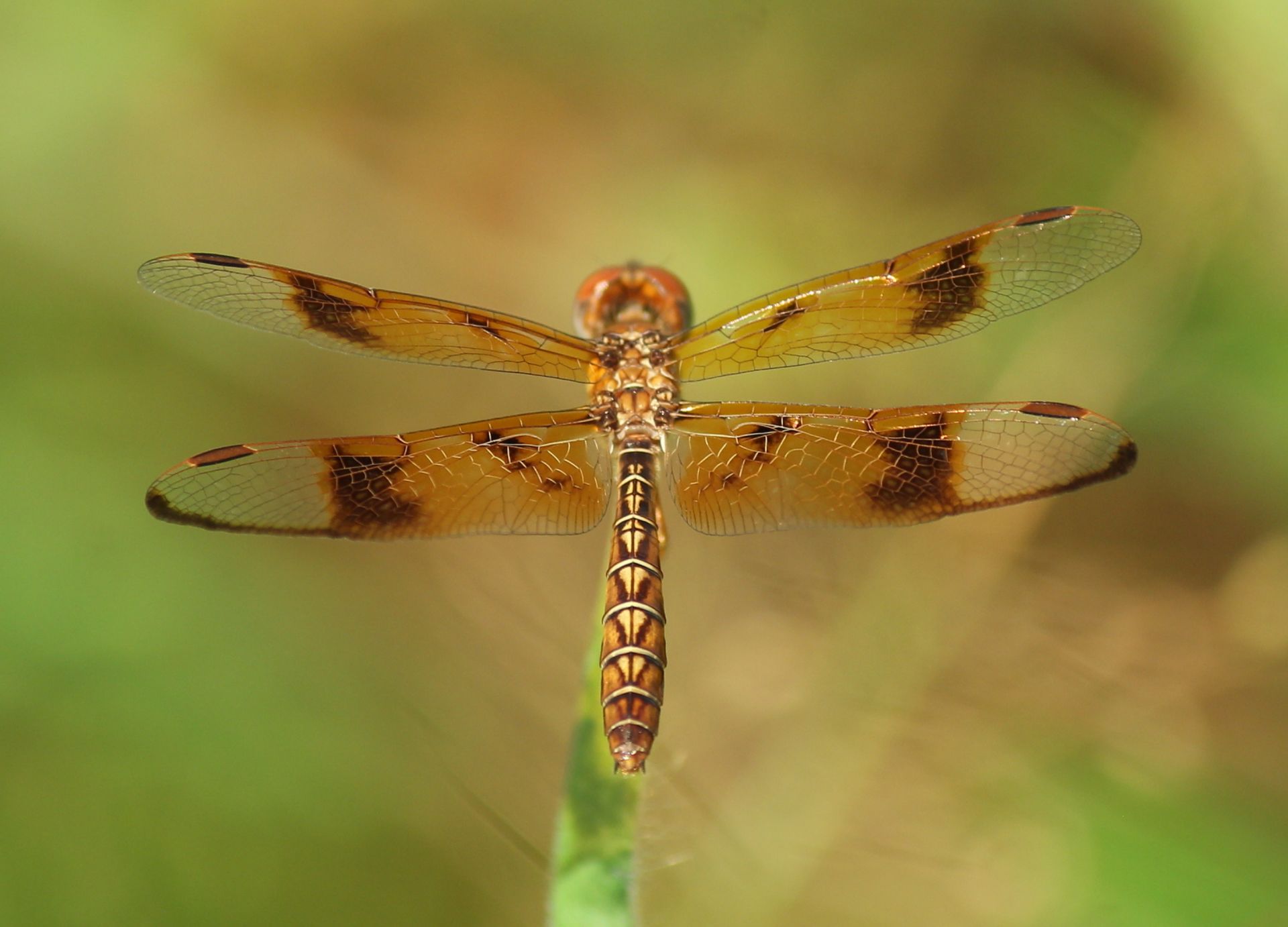
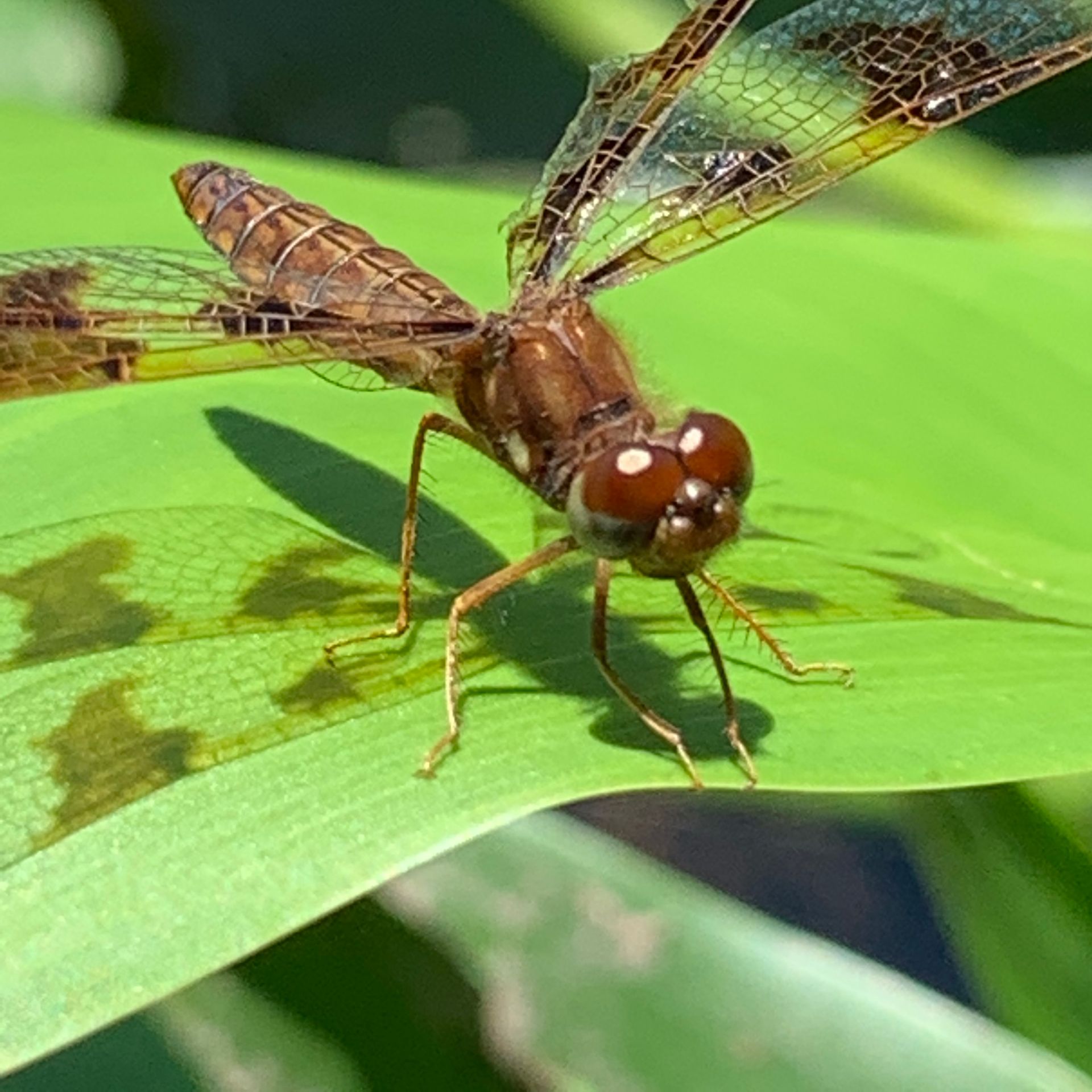
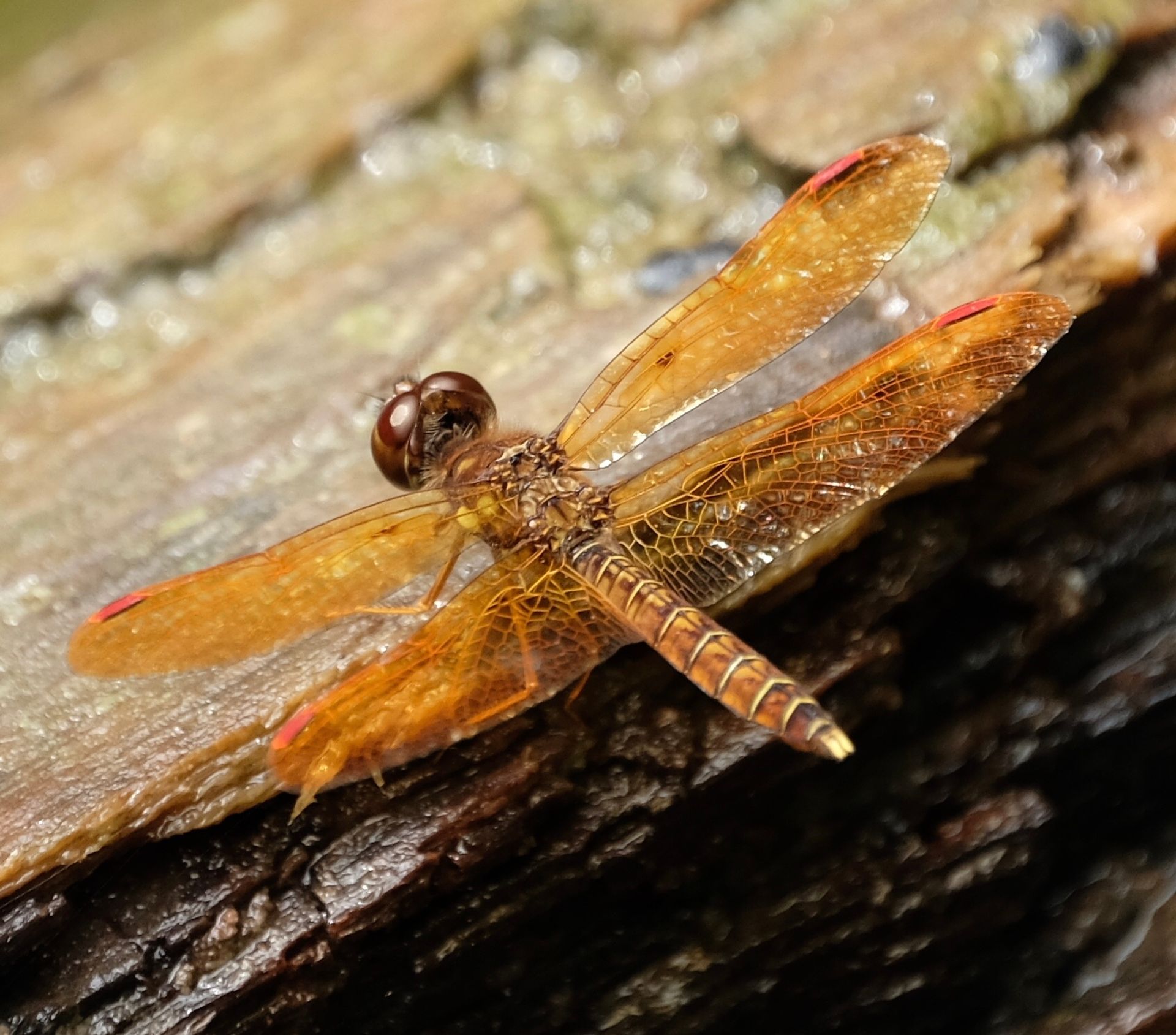
Perithemis is a of small in the Libellulidae, commonly known as amberwings. Males are distinguished by their amber-colored wings. The genus includes approximately 12 described distributed in the New World, with notable species including the Eastern Amberwing (P. tenera) and the Mexican Amberwing (P. intensa).
Pronunciation
How to pronounce Perithemis: //pɛˈraɪθɛmɪs//
These audio files are automatically generated. While they are not always 100% accurate, they are a good starting point.
Identification
Distinguished from other small libellulid by the amber wing coloration in males. The Eastern Amberwing (P. tenera) is one of the smallest dragonflies in eastern North America and can be confused with due to its coloration and pattern. Separated from similar like Nannothemis by wing shape and venation details.
Images
Appearance
Small-bodied with relatively broad wings. Males possess distinctive amber or orange-tinged wings, the characteristic that gives the group its . Females typically have clearer wings with brown or amber markings. Body coloration varies by , often with patterned . Wing venation follows typical libellulid pattern with nodus and pterostigma present.
Habitat
Associated with standing or slow-moving freshwater including ponds, marshes, and lakeshores. Males establish territories at favorable oviposition sites. Specific microhabitat preferences vary by .
Distribution
New World distribution ranging from the United States through Central America to South America. Individual have more restricted ranges: P. tenera in eastern North America, P. intensa in the southwestern United States and Mexico, P. domitia in the southern United States and tropics.
Seasonality
Active during warmer months; specific periods vary by and latitude. In temperate regions, typically observed from late spring through summer.
Life Cycle
Hemimetabolous development with , nymph (naiad), and stages. Aquatic nymphs inhabit freshwater environments. Specific details of egg-laying and nymphal development vary by .
Behavior
Males are strongly territorial, establishing and defending sites at favorable oviposition locations. Territorial defense involves display and physical combat including grappling and chasing. Prior residency provides significant advantage in contests, with residents winning approximately 75% of fights. Contest duration increases when opponents are more similar in size. In P. mooma, males exhibit the 'Dear Enemy Effect'—recognizing neighbors and showing reduced aggression toward them compared to unfamiliar intruders.
Ecological Role
are aerial of small flying insects. Nymphs are aquatic predators feeding on and small aquatic organisms. Contribute to nutrient cycling between aquatic and terrestrial .
Human Relevance
Subject of ecological and behavioral research, particularly regarding territoriality and mating systems. Some serve as indicators of wetland health. Eastern Amberwing is among the most commonly observed in its range due to its of disturbed .
Similar Taxa
- NannothemisAlso contains small ; separated by wing venation and body proportions
- SympetrumSimilar size and use; lacks amber wing coloration, has different wing shape
- PachydiplaxSmall libellulids with banded wings; blue body coloration distinguishes males
More Details
Behavioral Research
Perithemis have been extensively studied for territorial . Research on P. tenera demonstrated prior residency advantage in territorial contests. Studies of P. mooma documented the 'Dear Enemy Effect'—a phenomenon where territorial males recognize and respond less aggressively to established neighbors than to unfamiliar intruders, conserving energy for more threatening interactions.
Size Range
Among the smallest in North America. P. tenera and Nannothemis bella are noted as some of the smallest dragonfly in the eastern United States.
Sources and further reading
- BugGuide
- Wikipedia
- GBIF taxonomy match
- iNaturalist taxon
- NCBI Taxonomy
- Catalogue of Life
- A Dragonfly to Behold: Within an Arm's Reach | Bug Squad
- Dragonflies! Who Isn't Fascinated by Dragonflies? | Bug Squad
- Bug Eric: Bosque del Apache National Wildlife Refuge
- Bug Eric: January 2016
- Fighting behavior and prior residency advantage in the territorial dragonfly,Perithemis tenera
- Efeito da Presença de Vizinhos sobre o Comportamento Territorial de Perithemis mooma (Kirby) (Anisoptera: Libellulidae)