
Boyeria vinosa
(Say, 1840)
fawn darner
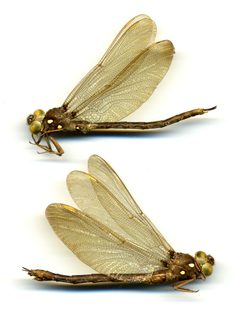
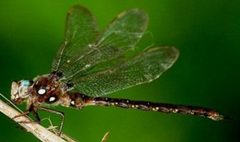
Boyeria vinosa, the fawn darner, is a in the Aeshnidae. It inhabits rivers and streams in eastern North America, from southeastern Canada through the eastern United States. are , being most active at dusk. The species has a with and approximately 10 months of larval development.
Pronunciation
How to pronounce Boyeria vinosa: //bɔɪˈɛɹiə vɪˈnoʊsə//
These audio files are automatically generated. While they are not always 100% accurate, they are a good starting point.
Images
Habitat
Rivers and first-order streams with lotic conditions. Larvae occupy coarse substrates including cobble and leaf packs.
Distribution
Southeastern Canada and eastern United States; confirmed from western North Carolina and Vermont.
Seasonality
occurs from late June through August. Adults most active at dusk.
Diet
Larval stage consumes aquatic insects, primarily nymphs (Ephemeroptera), caddisfly larvae (Trichoptera), and larvae (Diptera); also other aquatic including odonate nymphs.
Life Cycle
(one per year). occurs. Larval development spans approximately 10 months. from late June through August.
Behavior
Larvae employ sit-and-wait strategy. Prey selection is non-random, with active prey types consumed more frequently than predicted by abundance. exhibit activity pattern.
Ecological Role
in stream ; functions as top predator in larval . Regulates of primary consumers including mayflies and .