
Nothochrysa californica
Banks, 1892
San Francisco lacewing
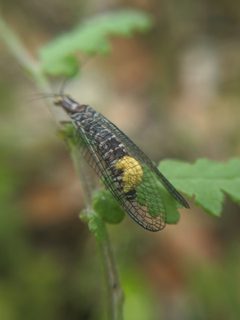
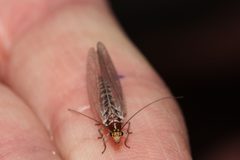
Nothochrysa californica, commonly known as the San Francisco , is a of green lacewing in the Chrysopidae. It is native to North America and was first described by Nathan Banks in 1892. The species is part of a of large lacewings distinguished from typical green lacewings (Chrysoperla) by morphological features.
Pronunciation
How to pronounce Nothochrysa californica: /nɒˈθɒkrɪsə ˌkæləˈfɔrnɪkə/
These audio files are automatically generated. While they are not always 100% accurate, they are a good starting point.
Identification
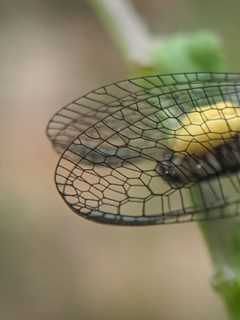
Members of the Nothochrysa are generally larger than typical green lacewings (Chrysoperla spp.) and can be distinguished by wing venation patterns and genitalic structures. Specific identification of N. californica requires examination of these features; the name refers to its California type locality.
Images
Distribution
North America. The name indicates California as the type locality, though the full range extends beyond this region.
Ecological Role
As a member of Chrysopidae, this likely functions as a of soft-bodied arthropods including aphids, mites, and small caterpillars, though specific ecological studies for N. californica are not documented in the provided sources.
Similar Taxa
- Chrysoperla spp.Typical green lacewings are smaller and differ in wing venation and genitalic ; Nothochrysa are generally larger and more robust.
- Other Nothochrysa speciesCongeneric share the large body size and general ; precise identification requires detailed examination of wing venation and reproductive structures.
More Details
Taxonomic note
The Nothochrysa represents a distinct lineage within Chrysopidae, sometimes called 'large lacewings,' separated from the more commonly encountered Chrysoperla based on morphological and phylogenetic evidence.
Sources and further reading
- BugGuide
- Wikipedia
- GBIF taxonomy match
- iNaturalist taxon
- NCBI Taxonomy
- Catalogue of Life
- The Big 43: The California Native Plants, Plus One, Studied in UC Davis Research | Bug Squad
- Bohart Museum: Learn about California's State Insect on UC Davis Picnic Day | Bug Squad
- A Mural Like No Other | Bug Squad
- A Flash of Orange: Welcome, California Tortoiseshell! | Bug Squad
- California Dogface Butterfly: What the Fire Did | Bug Squad
- Bembicid Holdings | Entomology Research Museum