
Diploschizia impigritella
Clemens, 1862
yellow nutsedge moth, five-barred glyphipterid moth
A minute sedge moth with a wingspan of 7–9 mm, described by James Brackenridge Clemens in 1862. are active from early May to early November across much of North America. The larvae are stem borers in yellow nutsedge (Cyperus esculentus), making this a potential biocontrol agent against this agricultural weed.
Pronunciation
How to pronounce Diploschizia impigritella: /ˌdɪploʊˈskɪtsiə ˌɪmpɪɡrɪˈtɛlə/
These audio files are automatically generated. While they are not always 100% accurate, they are a good starting point.
Identification
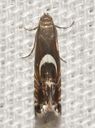
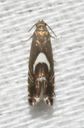
Distinguished from similar Glyphipterigidae by the specific arrangement of five pale transverse bars on the forewings. The combination of minute size (7–9 mm wingspan), narrow wings, and this barred pattern separates it from other Diploschizia and superficially similar microcaddisflies or leafhoppers that may occur at blacklight traps. Examination of genitalia may be required for definitive identification.
Images
Appearance
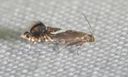
Tiny with wingspan of 7–9 mm. Forewings display five distinct pale bars against a darker background, creating the 'five-barred' pattern referenced in one of its . Overall coloration is muted with contrasting light and dark markings. Body is slender and compact, typical of microlepidoptera in the Glyphipterigidae.
Habitat
Associated with stands of yellow nutsedge (Cyperus esculentus), its larval plant. have been recorded at blacklight in residential yards, agricultural fields, and other settings where the host plant occurs.
Distribution
North America, from Newfoundland south to Florida, west to Texas and North Dakota. Disjunct recorded from California.
Seasonality
on wing from early May to early November, with peak activity during summer months.
Diet
Larvae feed internally on Cyperus esculentus (yellow nutsedge), boring in stems and leaf . feeding habits are not documented.
Host Associations
- Cyperus esculentus - larval larvae bore in stems and leaf
Life Cycle
Complete with , larval, pupal, and stages. Larvae are stem borers in the plant. Specific details of site and stage are not documented.
Behavior
are and attracted to artificial light. Larvae are concealed feeders, boring within plant tissues.
Ecological Role
Specialized herbivore of yellow nutsedge, a weed of agricultural and horticultural systems. are tied to plant distribution.
Human Relevance
Studied as a potential agent for yellow nutsedge, a problematic weed in crops and turf. The itself is harmless to humans and non-target plants.
Similar Taxa
- Other Diploschizia speciesSimilar size and general appearance; distinguished by forewing pattern and genitalia
- Glyphipterix spp.Related in same ; may share barred wing patterns but differ in specific markings and genitalia
- Microcaddisflies (Hydroptilidae)Similar size and attraction to light; distinguished by wing venation, length, and overall body form