
Diploschizia
Heppner, 1981
sedge moths
Species Guides
4- Diploschizia habecki
- Diploschizia impigritella(yellow nutsedge moth)
- Diploschizia lanista(sedge moth)
- Diploschizia minimella
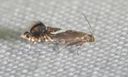
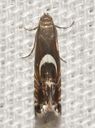
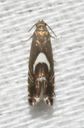
Diploschizia is a of sedge moths in the Glyphipterigidae. It was established by John B. Heppner in 1981. Most modern taxonomic treatments consider Diploschizia to be a synonym of Glyphipterix. The genus includes approximately twelve described , such as D. impigritella (Yellow Nutsedge ), a tiny moth measuring only 4 mm in length. Species in this group are typically small and associated with sedges or related plants.
Pronunciation
How to pronounce Diploschizia: /ˌdɪploʊˈskɪtsiə/
These audio files are automatically generated. While they are not always 100% accurate, they are a good starting point.
Images
Distribution
Records exist from Denmark (DK), Norway (NO), Sweden (SE), Vermont (USA), and other parts of the United States. Specific distribution data for individual within the varies.
Host Associations
- sedges - larval implied by 'sedge moths' and association with Yellow Nutsedge (D. impigritella)
Similar Taxa
- GlyphipterixDiploschizia is mostly treated as a synonym of Glyphipterix; were historically separated into Diploschizia but are now generally classified under Glyphipterix
More Details
Taxonomic Status
The Diploschizia has a contested taxonomic status. While Heppner (1981) established it as distinct, most subsequent treatments synonymize it with Glyphipterix. GBIF lists it as a synonym with match type HIGHERRANK, and Catalogue of Life confirms this synonym status.
Notable Species
Diploschizia impigritella (Yellow Nutsedge ) is one of the better-documented , observed during National Moth Week in Kansas. It is extremely small at approximately 4 mm, making it one of the 'little stuff' moths that requires close examination to detect.