Sparganothis senecionana
(Walsingham, 1879)
Sparganothis senecionana is a tortricid distributed across western North America from British Columbia to Mexico and eastward to Colorado. are active from April to August with one per year. The species exhibits broad polyphagy, with larvae feeding on flowers of diverse plants spanning multiple including Asteraceae, Fabaceae, Lamiaceae, and conifers.
Pronunciation
How to pronounce Sparganothis senecionana: /spɑrˌɡænəˈθɪs sɛˌnɛʃiəˈnɑːnə/
These audio files are automatically generated. While they are not always 100% accurate, they are a good starting point.
Identification
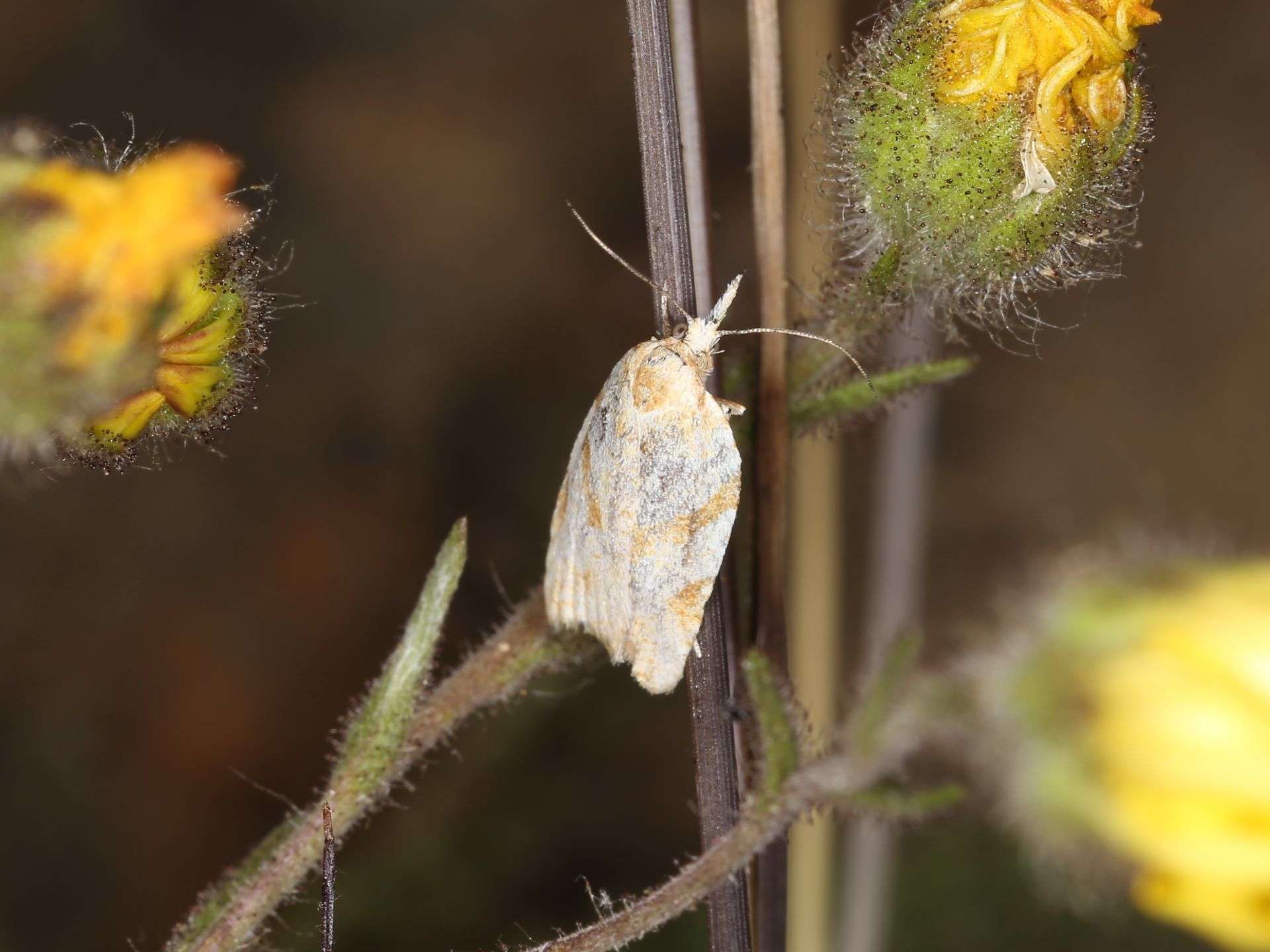
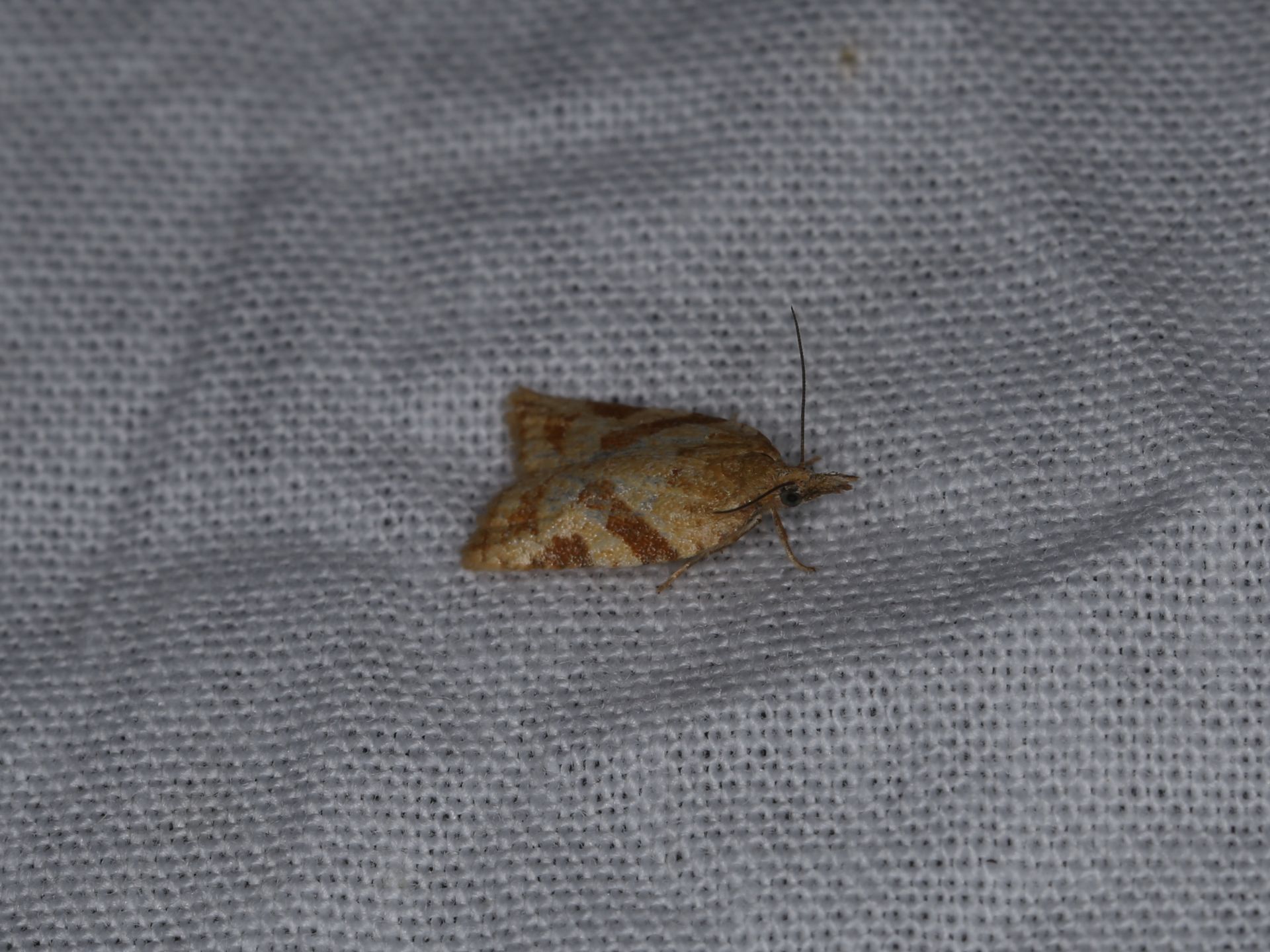
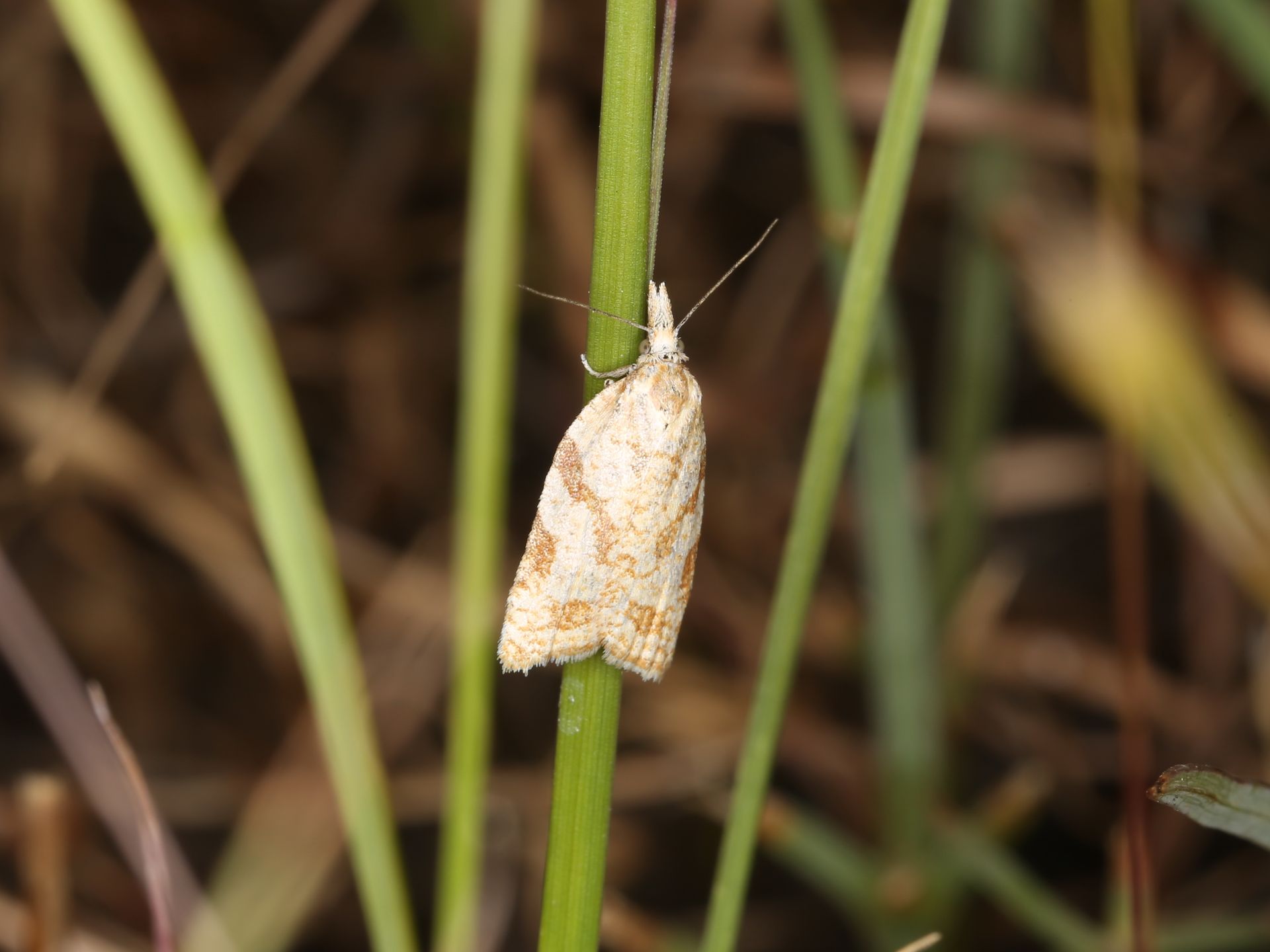
The combination of small size (7.5–12.5 mm forewing length), pale yellow ground color with brown to purplish-brown markings, and western North American distribution distinguishes this from many . Specific diagnostic characters separating it from other Sparganothis species require examination of genitalia.
Images
Appearance
Forewings measure 7.5–12.5 mm in length. Coloration is pale yellow with brown to purplish-brown markings.
Habitat
Occurs in diverse across western North America including montane forests, chaparral, grasslands, and riparian zones. plant associations suggest adaptability to both open and wooded environments.
Distribution
Western North America, ranging from British Columbia to Mexico and eastward to Colorado.
Seasonality
active from April to August. One per year ().
Diet
Larvae are flower feeders. Documented plants include: Brodiaea , Lomatium californicum, Achillea species (including A. milleflorum), Anaphalis margaritacea, Artemisia douglasiana, Balsamorhiza sagittata, Gnaphalium species, Hieracium scouleri, Senecio species (including S. integerrimus), Wyethia species, Cynoglossum grande, Horkelia species (including H. californica and H. fusca), Barbarea orthoceras, Hypericum perforatum, Cornus species, Lupinus albifrons, Thermopsis macrophylla, Eriodictyon californicum, Phacelia californica, P. hastata, Iris species, Stachys rigida, Chlorogalum pomeridianum, Zigadenus paniculatus, Chlorogalum species, Clarkia species, Abies species (including A. magnifica and A. concolor), Pseudotsuga menziesii, Dodecatheon hendersonii, Ceanothus papillosus, Cercocarpus montanus, Prunus species (including P. virginiana), Castilleja applegatei, and Penstemon species (including P. deustus, P. newberryi, and P. speciosus). Larvae generally feed on flowers rather than foliage.
Host Associations
- Brodiaea - larval food plantflowers
- Lomatium californicum - larval food plantflowers
- Achillea - larval food plantflowers; including A. milleflorum
- Anaphalis margaritacea - larval food plantflowers
- Artemisia douglasiana - larval food plantflowers
- Balsamorhiza sagittata - larval food plantflowers
- Gnaphalium - larval food plantflowers
- Hieracium scouleri - larval food plantflowers
- Senecio - larval food plantflowers; including S. integerrimus
- Wyethia - larval food plantflowers
- Cynoglossum grande - larval food plantflowers
- Horkelia - larval food plantflowers; including H. californica and H. fusca
- Barbarea orthoceras - larval food plantflowers
- Hypericum perforatum - larval food plantflowers
- Cornus - larval food plantflowers
- Lupinus albifrons - larval food plantflowers
- Thermopsis macrophylla - larval food plantflowers
- Eriodictyon californicum - larval food plantflowers
- Phacelia californica - larval food plantflowers
- Phacelia hastata - larval food plantflowers
- Iris - larval food plantflowers
- Stachys rigida - larval food plantflowers
- Chlorogalum pomeridianum - larval food plantflowers
- Zigadenus paniculatus - larval food plantflowers
- Chlorogalum - larval food plantflowers
- Clarkia - larval food plantflowers
- Abies - larval food plantflowers; including A. magnifica and A. concolor
- Pseudotsuga menziesii - larval food plantflowers
- Dodecatheon hendersonii - larval food plantflowers
- Ceanothus papillosus - larval food plantflowers
- Cercocarpus montanus - larval food plantflowers
- Prunus - larval food plantflowers; including P. virginiana
- Castilleja applegatei - larval food plantflowers
- Penstemon - larval food plantflowers; including P. deustus, P. newberryi, and P. speciosus
Life Cycle
(one per year). emerge and are active April through August. Larval development occurs on plants, with larvae feeding specifically on flowers. stage not explicitly documented in available sources.
Behavior
Larvae exhibit specialized flower-feeding , consuming reproductive structures rather than vegetative tissues of plants.
Ecological Role
As a flower feeder, larvae may function as floral herbivores affecting seed production across diverse plant . The broad range spanning native and some introduced plant suggests potential impact on plant reproductive success in multiple types.
Human Relevance
Not documented as an agricultural or economic pest. The congeneric Sparganothis fruitworm is noted as a cranberry pest in New Jersey, but S. senecionana has no recorded economic impacts.
Similar Taxa
- Sparganothis fruitwormCongeneric in same ; distinguished by geographic distribution (eastern North America) and association with cranberry as a documented agricultural pest, whereas S. senecionana occurs in western North America with no recorded crop damage.
- Other Sparganothis speciesMany share similar wing patterns and size; reliable identification requires examination of genitalia or association with specific plants and geographic location.
More Details
Host Plant Diversity
The documented list for S. senecionana is exceptionally broad, encompassing 35+ plant across 20+ and at least 15 . This includes both herbaceous angiosperms and conifers (Abies, Pseudotsuga). The consistent pattern of flower-feeding across such taxonomically diverse hosts is notable.
Taxonomic Note
Described by Walsingham in 1879. The specific epithet 'senecionana' references the Senecio, one of the documented larval genera, though the is by no means restricted to this plant group.