
Diedra
Rubinoff & Powell, 1999
Species Guides
4- Diedra calocedrana
- Diedra cockerellana(Cockerell's Moth)
- Diedra leuschneri
- Diedra wielgusi
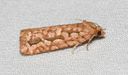
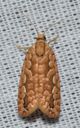
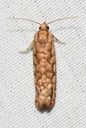
Diedra is a of tortricid moths established by Rubinoff & Powell in 1999. The genus contains five described , all native to western North America. Most species were described from California and associated with coniferous plants. The genus is placed in the tribe Archipini within the Tortricinae.
Pronunciation
How to pronounce Diedra: //ˈdiːdrə//
These audio files are automatically generated. While they are not always 100% accurate, they are a good starting point.
Identification
Diedra are small tortricid moths distinguished from related by male genitalia characteristics, particularly the structure of the and valvae. The genus was erected based on morphological differences from Argyrotaenia and similar archipine genera. Species-level identification requires examination of genitalic structures and often relies on plant association and geographic distribution.
Images
Habitat
Coniferous forests of western North America, particularly regions dominated by Calocedrus (incense-cedar), Juniperus (junipers), and related Cupressaceae. are associated with montane and foothill environments in California and the southwestern United States.
Distribution
Western North America, with records from California, Arizona, and adjacent regions. Diedra calocedrana and D. leuschneri are known from California. Diedra cockerellana occurs in California and Arizona. Diedra wielgusi was described from Arizona. Diedra intermontana is recorded from the intermontane region between the Sierra Nevada and Cascade ranges.
Seasonality
have been recorded from April to October, with peak activity varying by and elevation. Most records fall between May and September.
Diet
Larvae feed on Cupressaceae, specifically Calocedrus decurrens (incense-cedar) for D. calocedrana, and Juniperus for D. cockerellana. plants for other species are less documented but are presumed to be coniferous.
Host Associations
- Calocedrus decurrens - larval incense-cedar; confirmed for D. calocedrana
- Juniperus - larval junipers; confirmed for D. cockerellana
Life Cycle
Larval stage feeds internally or externally on conifer foliage or cones. likely occurs in silken shelters or in soil/litter. are and attracted to light. Specific details of and pupal stages are not documented in available literature.
Behavior
are attracted to light traps. Larvae are concealed feeders on conifer , with D. calocedrana larvae observed feeding on incense-cedar foliage and cones.
Ecological Role
As primary consumers of Cupressaceae foliage, larvae contribute to nutrient cycling in coniferous forest . levels are generally low, with no significant documented impact on plant health.
Human Relevance
No significant economic or agricultural impact. Of interest to lepidopterists and forest entomologists studying conifer-feeding tortricid diversity. Diedra calocedrana has been studied in the context of incense-cedar forest .
Similar Taxa
- ArgyrotaeniaPreviously included now placed in Diedra; distinguished by male genitalia , particularly structure and absence of cornuti in Diedra
- Epiphyas postvittanaBoth are archipine tortricids, but Diedra is restricted to western North American coniferous and differs in genitalic and wing pattern characteristics
More Details
Taxonomic history
Diedra was erected by Rubinoff & Powell in 1999 to accommodate previously assigned to Argyrotaenia and related that share distinctive male genitalia features. The type species is Diedra cockerellana (originally described as Tortrix cockerellana by Kearfott in 1907). The genus name is feminine in gender.
Etymology
The name Diedra is derived from the Greek 'di-' (two) and 'hedra' (seat or base), referring to the paired basal processes of the that characterize the genus.