Archips oporana
(Linnaeus, 1758)
pine tortrix, spruce tortrix
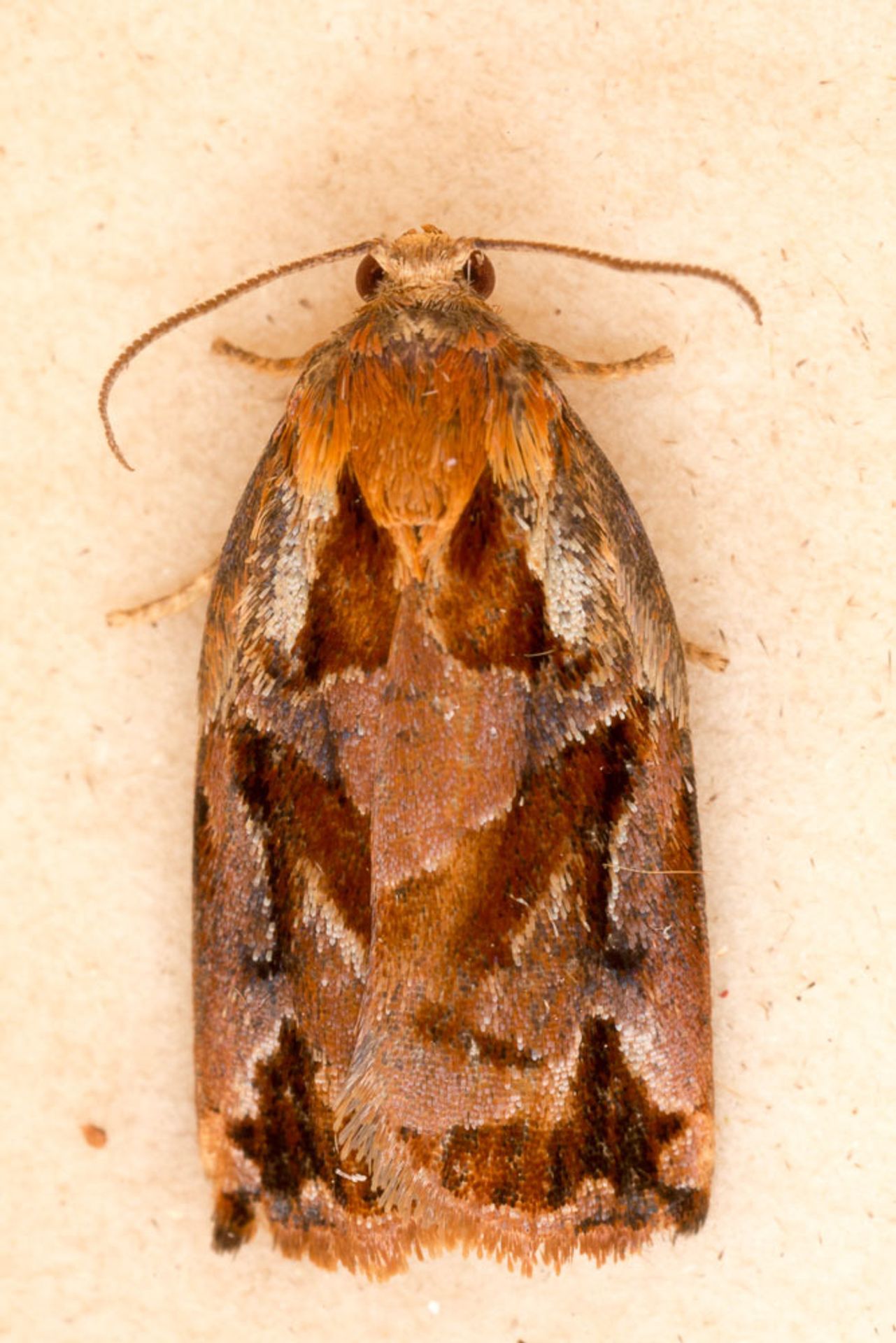
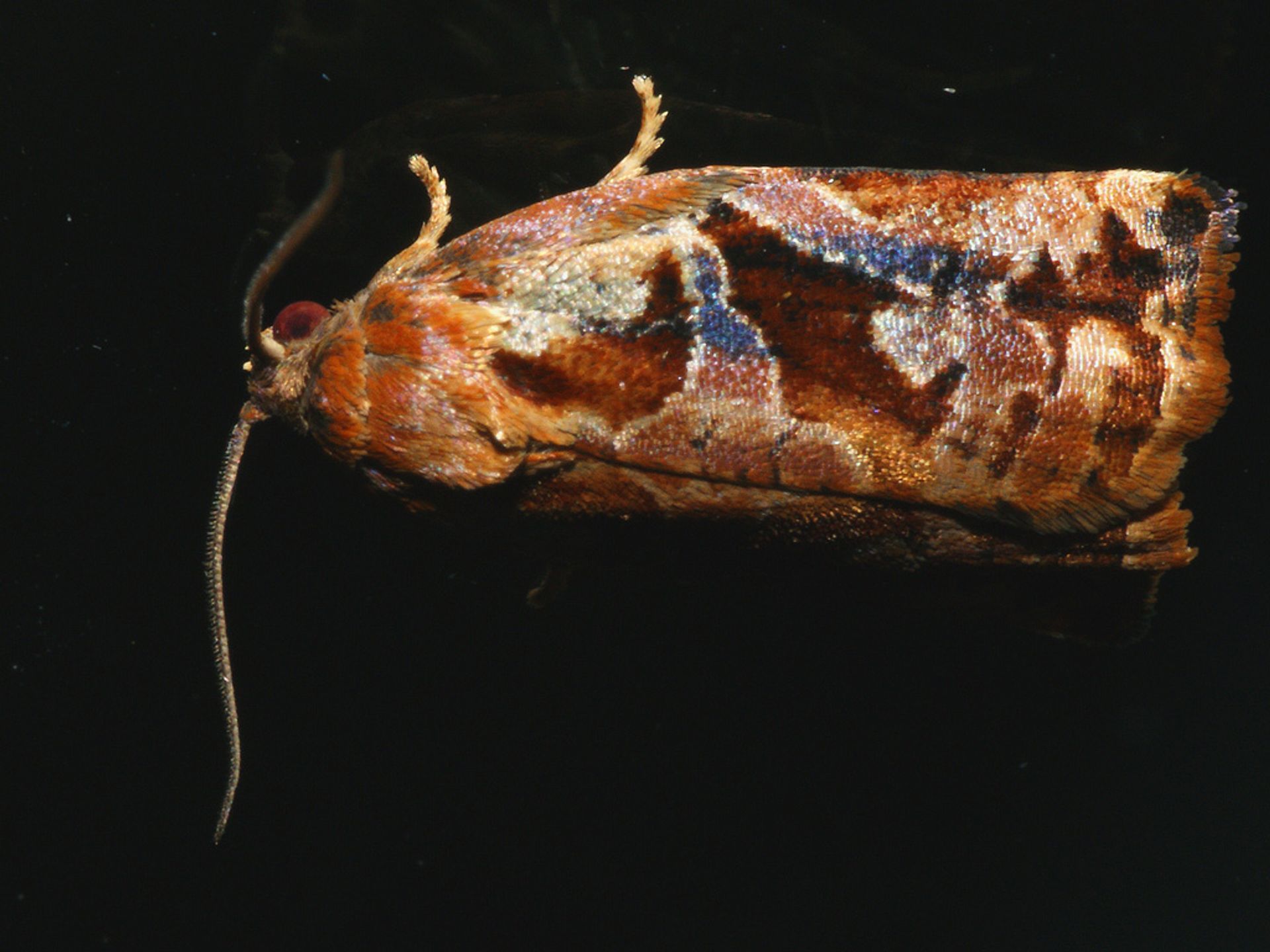
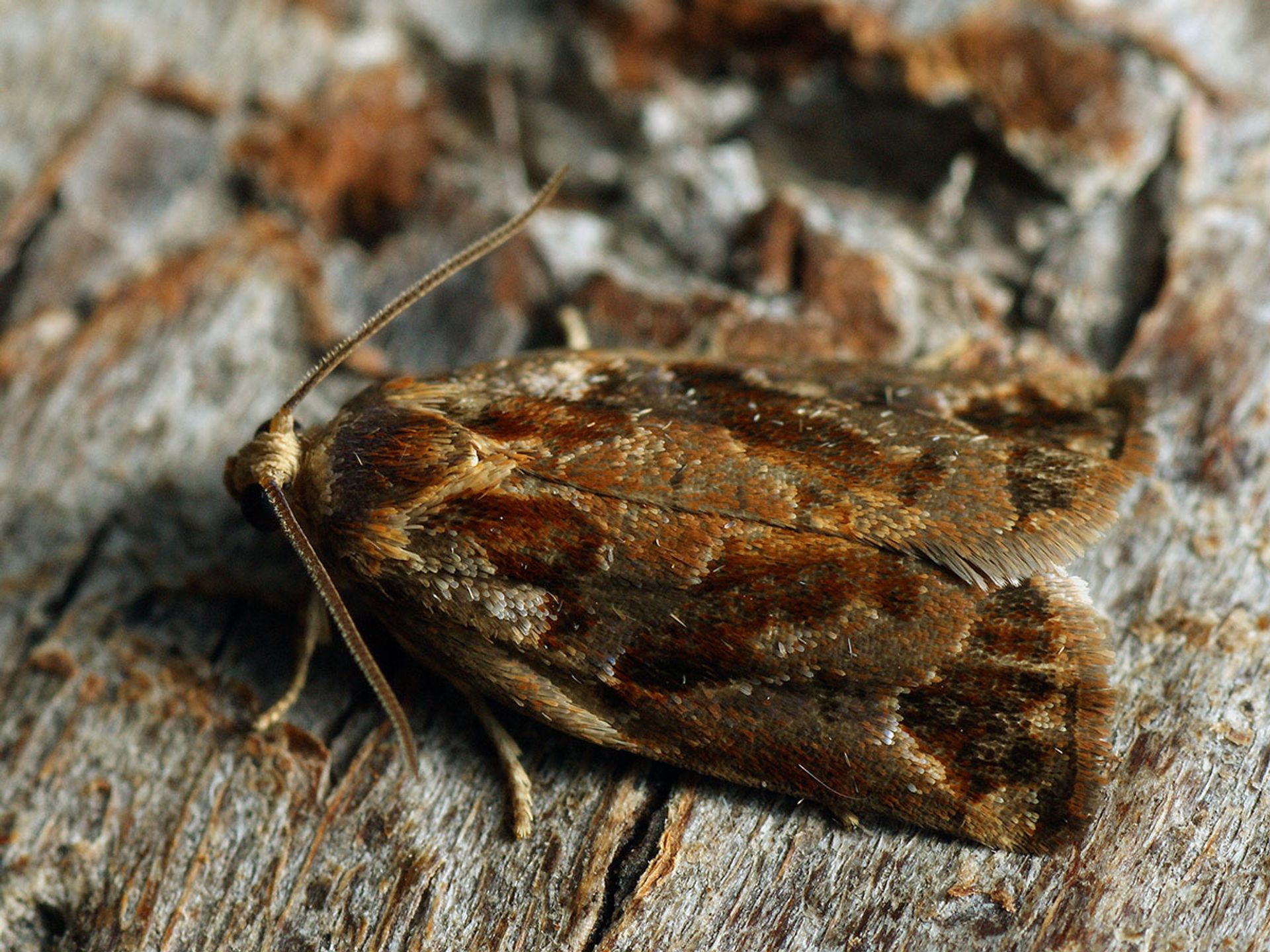
Archips oporana is a tortricid commonly known as the pine tortrix or spruce tortrix. First described by Carl Linnaeus in 1758, this is found across Europe and parts of Asia including China, Korea, Japan, and Russia. The larvae are significant forestry pests, feeding on conifer needles and shoots of multiple tree species. are active primarily in late spring and summer, with a partial second in some regions.
Pronunciation
How to pronounce Archips oporana: //ˈɑːrkɪps oʊpɔːˈrɑːnə//
These audio files are automatically generated. While they are not always 100% accurate, they are a good starting point.
Identification
Distinguished from similar Archips by the combination of: forewing pattern with well-defined dark markings, presence of male costal fold, and association with coniferous plants. Differs from Archips podana (fruit tree tortrix) which occurs on deciduous trees and has different wing patterning. Genitalia examination may be required for definitive identification from closely related conifer-feeding Archips species.
Images
Appearance
have a wingspan of 19–28 mm. The forewings are typically brownish with variable darker markings, including a characteristic costal fold in males. The hindwings are greyish-brown. Larvae are greenish with a darker and prothoracic shield.
Habitat
Coniferous and mixed forests, plantations, and wooded areas. Larvae occur on trees including silver fir, European larch, spruce, Scots pine, common juniper, and cedars. Found from lowland to montane elevations where suitable host conifers grow.
Distribution
Europe (widespread including Belgium, Flanders, Wallonia, and Antwerp province), Asia (China: Heilongjiang, Liaoning; Korea; Japan; Russia: Primorye).
Seasonality
fly from late May to July in western Europe, with a partial second in August and September. Larvae present September through following June, in silken tubes among needles.
Diet
Larvae feed on needles and shoots of coniferous trees: silver fir (Abies alba), European larch (Larix decidua), common juniper (Juniperus communis), spruce (Picea spp.), Scots pine (Pinus sylvestris), and cedars (Thuja spp.). do not feed.
Host Associations
- Abies alba - larval food plantsilver fir
- Larix decidua - larval food plantEuropean larch
- Juniperus communis - larval food plantcommon juniper
- Picea - larval food plantspruce
- Pinus sylvestris - larval food plantScots pine
- Thuja - larval food plantcedar
Life Cycle
laid on foliage. Larvae emerge in September, initially tying two sets of needles together and attaching them to branches. They overwinter in silken tubes among needles. In spring, larvae feed on new shoots and may bore into stems, causing shoot dieback. On juniper, larvae spin thick white webs among leaves. occurs in June–July within the larval habitation. emerge late May–July, with partial second in August–September in some regions.
Behavior
Larvae construct silken shelters by tying needles together, using these as feeding . When threatened, larvae may drop from shelters on silken threads. are and attracted to light.
Ecological Role
Larval feeding can cause significant damage to conifer shoots, leading to reduced growth and stem breakage in heavy . Serves as prey for and other natural enemies. Contributes to nutrient cycling through herbivory on conifer foliage.
Human Relevance
Recognized as a forestry pest due to larval damage to commercially important conifer . Larval feeding on new shoots and stem boring can reduce timber quality and tree vigor. Subject to monitoring in forest management and may be targeted in programs.
Similar Taxa
- Archips podanaSimilar size and general appearance, but occurs on deciduous fruit trees rather than conifers; wing pattern differs with less distinct dark markings
- Archips crataeganaAnother conifer-feeding Archips requiring genitalia examination for reliable separation
- Archips purpuranaNorth American with similar leaf-rolling larval but different geographic range and plants including goldenrod
More Details
Taxonomic history
Originally described by Linnaeus in 1758 as Phalaena oporana, later transferred to Archips.
Larval shelter construction
The specific of tying two needle sets together differs from the single-leaf rolling typical of many other tortricid leafrollers.
Pest status variation
Damage levels vary geographically; in some regions considered a minor pest, while in others causes notable economic impact on spruce and pine plantations.