Notocelia
Hübner, [1825], 1816
Species Guides
5- Notocelia culminana
- Notocelia cynosbatella(Yellow-faced Bell)
- Notocelia illotana
- Notocelia purpurissatana
- Notocelia rosaecolana(Doubleday's Notocelia Moth)
Notocelia is a of tortricid moths in the Olethreutinae. are associated with plants in the Rosaceae , particularly Rubus (brambles) and Rosa (roses). Larvae are leaf-rollers or shoot-webbers that construct protective silken structures on their plants. The genus contains approximately 25 described species distributed across the Palearctic region, with some species extending into North Africa and parts of Asia.
Pronunciation
How to pronounce Notocelia: /ˌnoʊtəˈsiːliə/
These audio files are automatically generated. While they are not always 100% accurate, they are a good starting point.
Identification
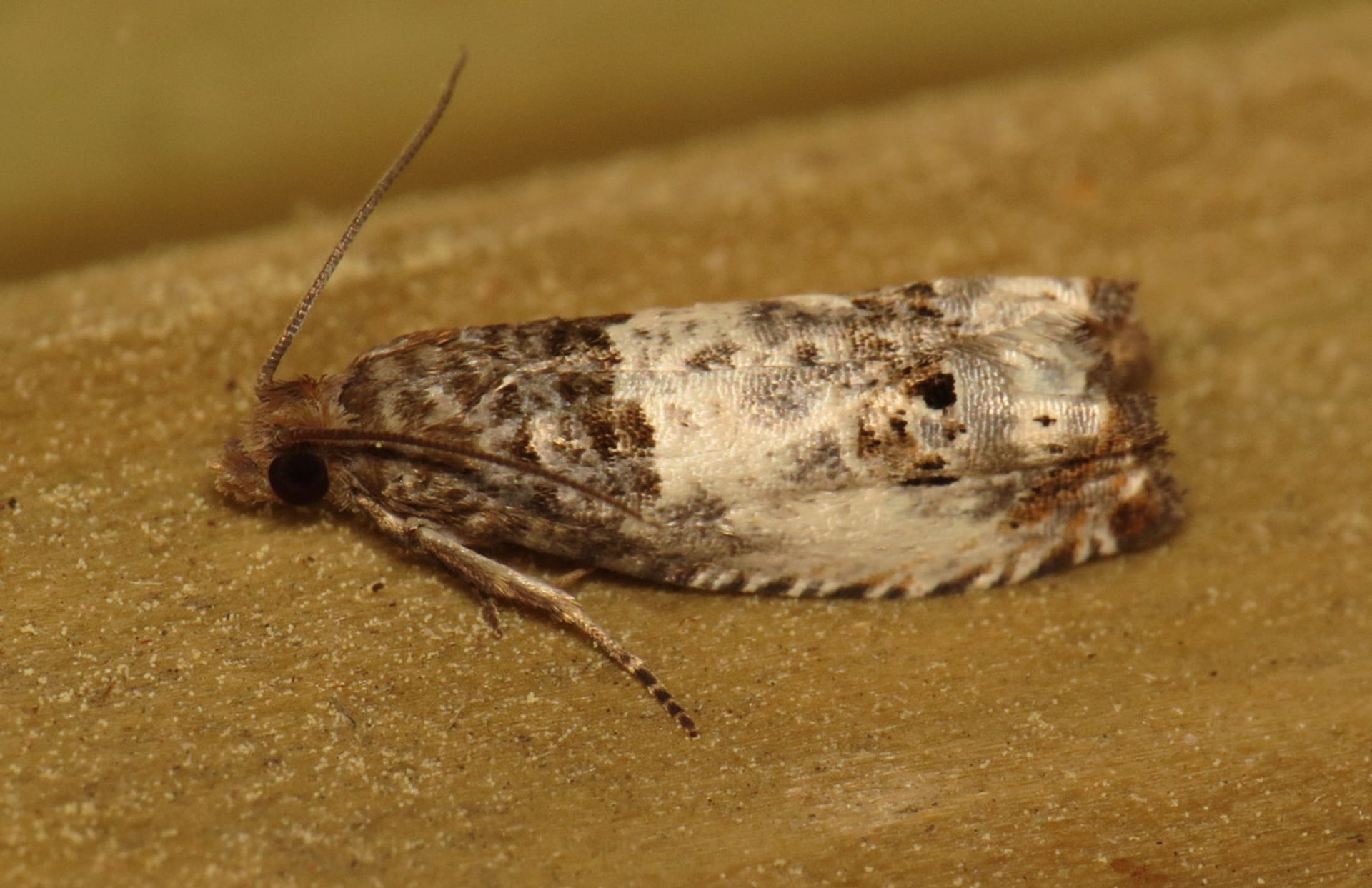
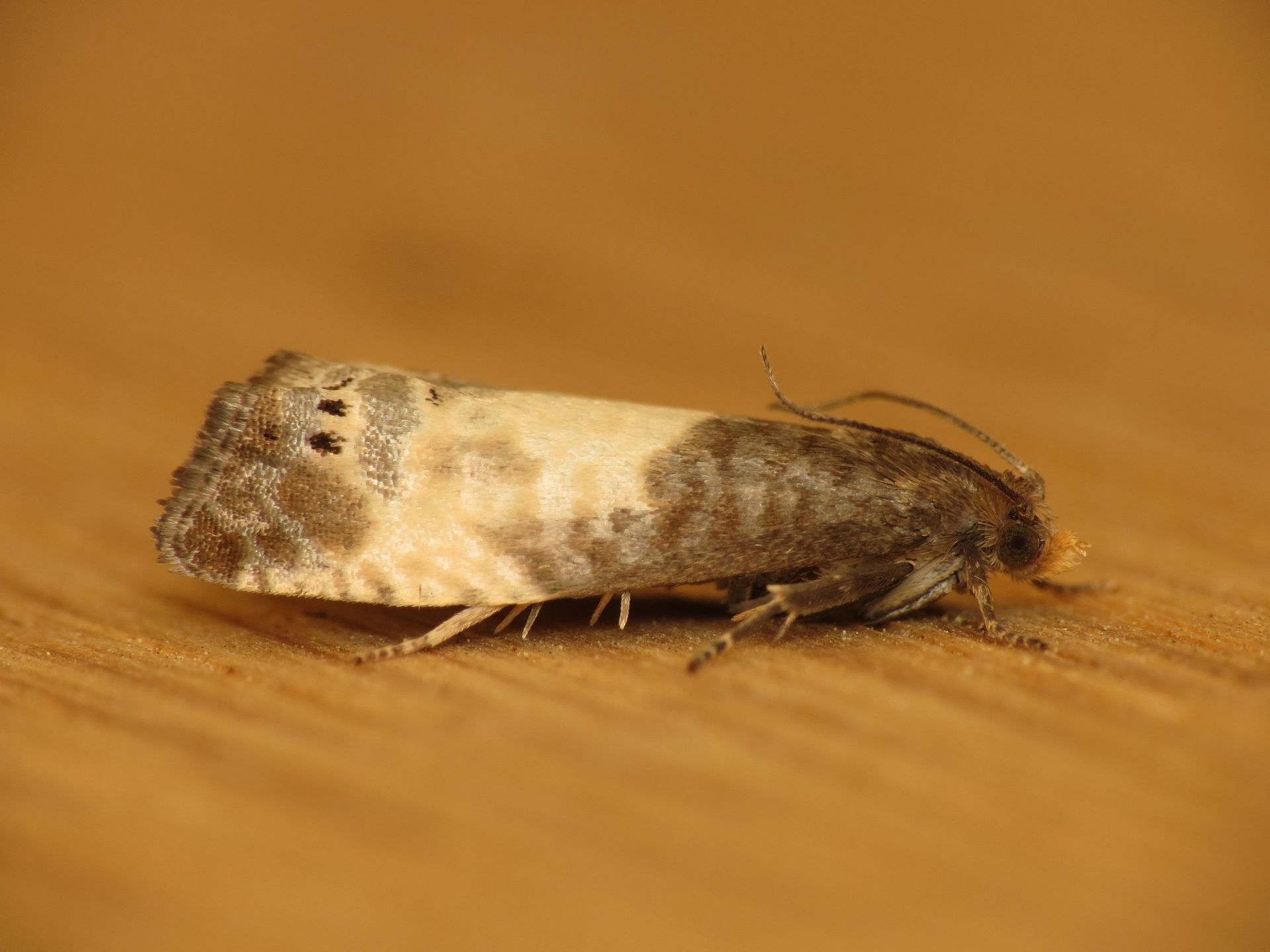
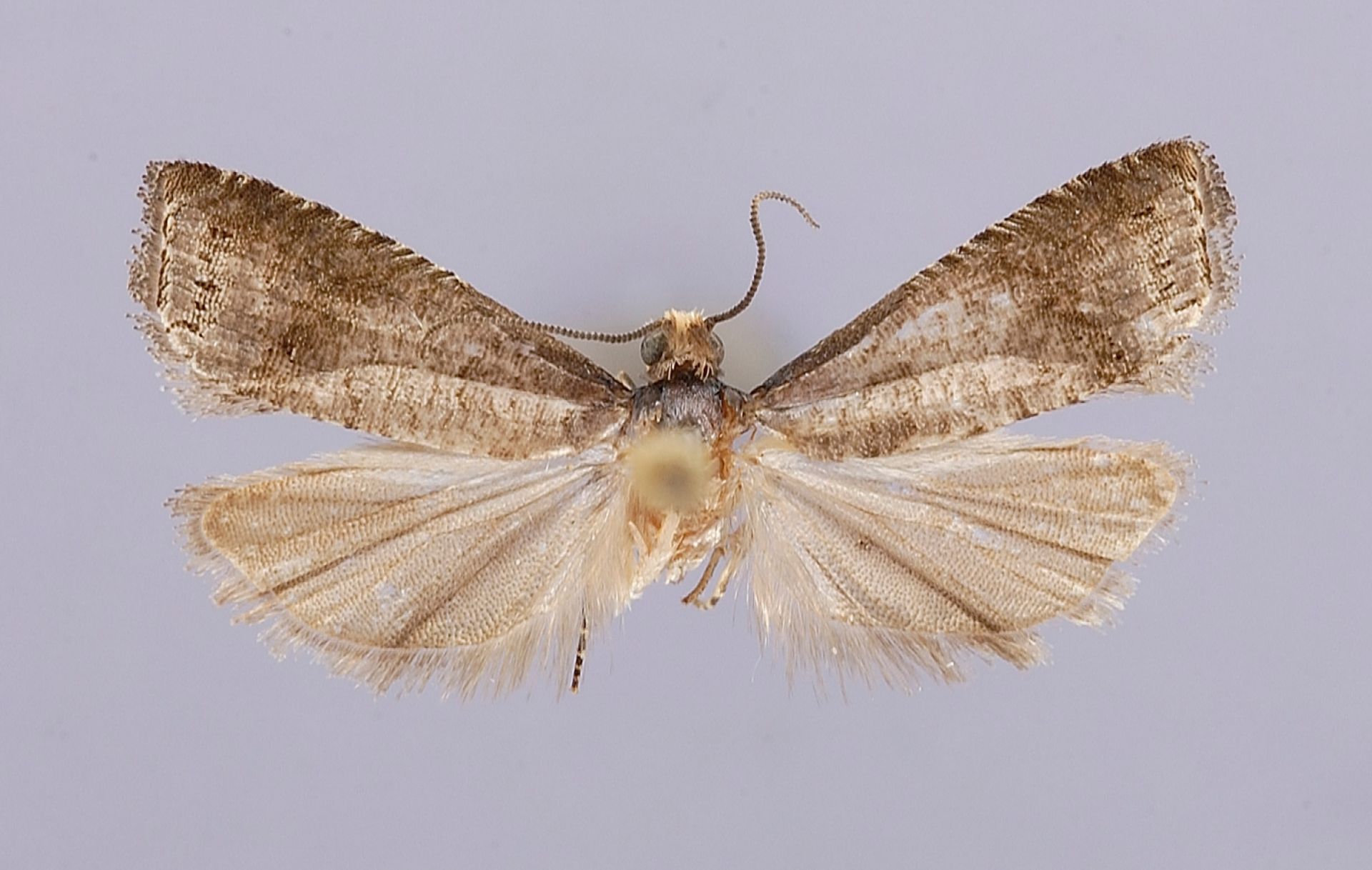
Notocelia are small to medium-sized tortricid moths with wingspans typically in the 12–20 mm range. The can be distinguished from related Olethreutinae by genitalia , particularly the structure of the male valva and female sterigma. Wing patterns vary by species but often include combinations of ochreous, brown, and white markings with distinct fasciation. Identification to species level requires examination of genitalia or association with larval plant and .
Images
Habitat
Associated with woody and semi-woody plants in the Rosaceae , particularly brambles (Rubus spp.) and roses (Rosa spp.). Found in woodland edges, hedgerows, scrubland, and areas where plants are abundant. Some occur in cultivated settings where Rubus or Rosa are grown commercially.
Distribution
Palearctic distribution, with records from Western Europe across to Kazakhstan and China. Present in North Africa. In Europe, widely distributed with some more common in southern regions. GBIF records indicate presence in Denmark, Norway, Sweden, and North America (Vermont, USA), though North American records may represent introductions or misidentifications.
Seasonality
of studied emerge primarily in June–July. Larvae are present from summer through autumn, with some species in silken webs on plant stems before resuming feeding in spring.
Diet
Larvae feed on leaves and shoots of Rosaceae, specifically Rubus spp. (brambles, raspberries, blackberries, loganberries) and Rosa spp. (roses). Feeding occurs within constructed silken webs or folded leaves.
Host Associations
- Rubus - primary brambles, raspberries, blackberries, loganberries
- Rosa - primary roses
Life Cycle
laid singly on plant shoots. Larvae feed within folded leaves or webbed shoot tips, constructing protective silken structures. occurs either within the larval habitation on the plant or in soil. Some overwinter as larvae in silken webs on host stems, resuming feeding in spring before pupation. emerge in summer, with timing varying by species and latitude.
Behavior
Larvae construct silken webs to tie together plant shoots or fold leaves, feeding within this protected microenvironment. This distinguishes them from free-feeding tortricids. Notocelia roborana exhibits "equilibrium " , maintaining stable, low- with density-dependent pupal mortality in soil acting as a regulatory mechanism.
Ecological Role
Herbivore on Rosaceae; contributes to natural pruning and nutrient cycling in wild bramble and rose . Larvae serve as for (Ichneumonidae: Omorgus mutabilis; Braconidae: Apanteles spp.) and tachinid flies (Nemorilla notabilis), with rates reaching 35–50% in some populations.
Human Relevance
Notocelia uddmanniana is a recognized pest of cultivated loganberries and other Rubus crops, with larvae damaging growing shoots. Control measures have historically given poor results. Other occasionally damage cultivated roses. The has been subject to genomic study, with N. uddmanniana sequenced (794 Mb assembly).
Similar Taxa
- CelyphaBoth are Eucosmini with similar size and wing pattern, but Celypha typically have different genitalia structure and often associate with different plants (herbaceous rather than woody Rosaceae)
- EpinotiaOverlaps in Olethreutinae but Epinotia often show different wing venation and larval habits, with many feeding in buds or catkins of trees rather than webbed shoots of Rosaceae
Sources and further reading
- BugGuide
- Wikipedia
- GBIF taxonomy match
- iNaturalist taxon
- NCBI Taxonomy
- Catalogue of Life
- THE MORPHOLOGY AND BIOLOGY OF THE BRAMBLE SHOOT‐WEBBER, NOTOCELIA UDDMANNIANA L. (TORTRICIDAE)
- Population ecology of Pardia tripunctana Schiff. and Notocelia roborana Den. and Schiff. (Lepidoptera, Tortricidae) ?an example of ?Equilibrium species?
- The genome sequence of the bramble shoot moth, Notocelia uddmanniana (Linnaeus, 1758).