Notocelia cynosbatella
(Linnaeus, 1758)
Yellow-faced Bell
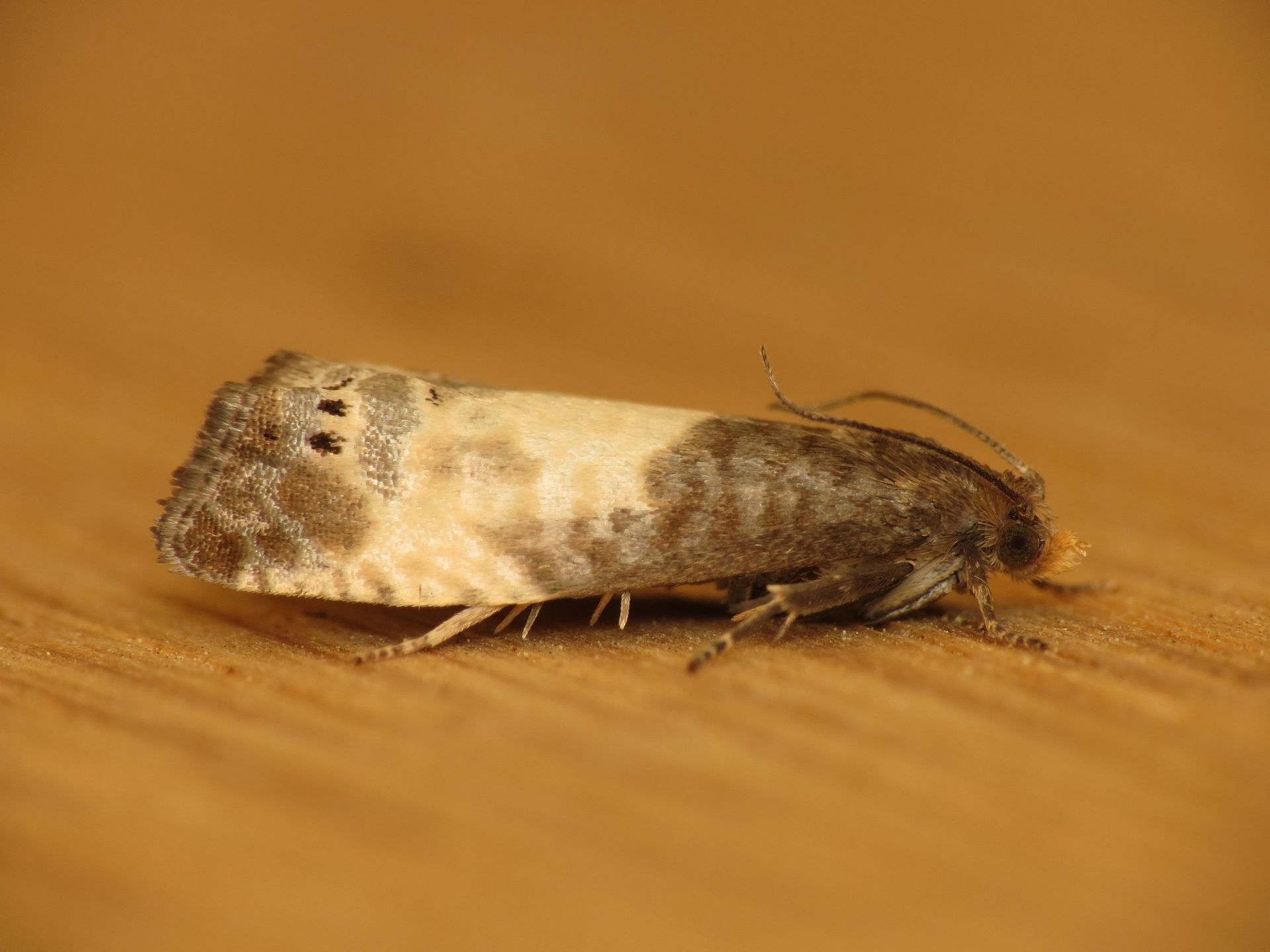
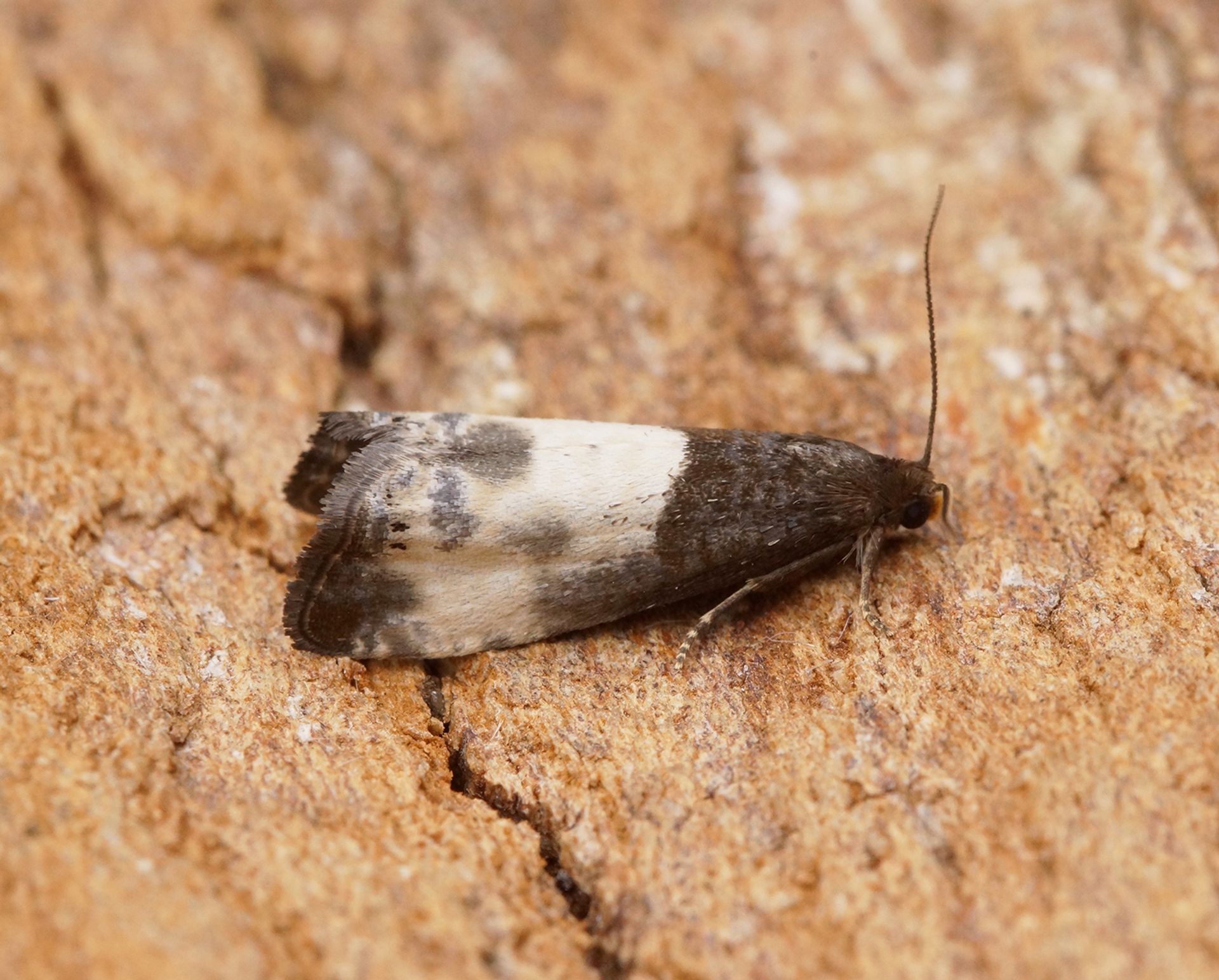
Notocelia cynosbatella is a small tortricid with a wingspan of 16–22 mm. It has a broad distribution across the Palearctic, ranging from Europe through eastern Russia and extending into Asia Minor, Iran, Kazakhstan, China, and Mongolia. are active in late spring, with activity recorded in May and June. The is commonly known as the Yellow-faced Bell.

Pronunciation
How to pronounce Notocelia cynosbatella: /nəˈtoʊsɪliə ˌsaɪnoʊzbəˈtɛlə/
These audio files are automatically generated. While they are not always 100% accurate, they are a good starting point.
Identification
The small size (16–22 mm wingspan) and May–June period may aid identification. The "Yellow-faced Bell" suggests a distinctive facial coloration, though this trait requires verification. Separation from other Notocelia and Olethreutinae tortricids likely requires examination of genitalia or other subtle morphological features not detailed in available sources.
Images
Appearance
Wingspan 16–22 mm. Specific coloration and pattern details not documented in available sources.
Distribution
Europe to eastern Russia; Asia Minor; Iran; Kazakhstan; China; Mongolia. Confirmed present in Belgium.
Seasonality
on wing in May and June.
Similar Taxa
- Other Notocelia speciesCongeneric share similar size range and general tortricid ; precise identification often requires examination.
- Other Olethreutinae tortricids members exhibit convergent bell-shaped resting posture and small size, complicating visual identification.
More Details
Nomenclature
Originally described as Phalaena cynosbatella by Linnaeus in 1758; subsequently transferred to Notocelia.
Observation frequency
Well-documented with 1,997 observations on iNaturalist as of data retrieval.