
Chimoptesis
Powell, 1964
Species Guides
4- Chimoptesis chrysopyla
- Chimoptesis gerulae(Carrier Moth)
- Chimoptesis n-sp
- Chimoptesis pennsylvaniana(Filigreed Moth)
Chimoptesis is a of tortricid moths established by Powell in 1964, placed in the Olethreutinae and tribe Eucosmini. The genus contains four described distributed in North America. Larvae of at least one species have been associated with oaks (Quercus).
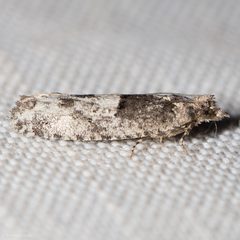
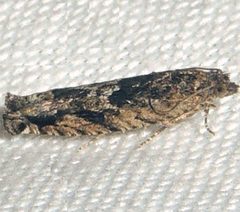
Pronunciation
How to pronounce Chimoptesis: //ˌkaɪ.məpˈtɛs.ɪs//
These audio files are automatically generated. While they are not always 100% accurate, they are a good starting point.
Identification
Members of Chimoptesis can be recognized by their Olethreutinae wing venation and genitalic structures. The is distinguished from related Eucosmini genera by male genitalia with reduced socii and specific valvular structures. -level identification requires examination of genitalia and wing pattern details.
Images
Distribution
North America; recorded from the eastern and central United States.
Diet
Larvae of Chimoptesis chrysopyla have been observed feeding on oak (Quercus) .
Host Associations
- Quercus - larval Chimoptesis chrysopyla
Similar Taxa
More Details
Species composition
Four : C. chrysopyla Powell, 1964; C. gerulae (Heinrich, 1923); C. matheri Powell, 1964; C. pennsylvaniana (Kearfott, 1907).
Taxonomic history
C. gerulae and C. pennsylvaniana were originally described in other (Eucosma and Epiblema, respectively) before transfer to Chimoptesis.