
Conchylodes
Guenée, 1854
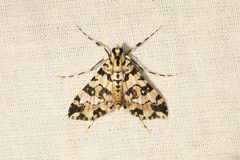
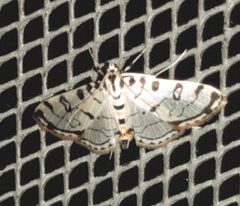
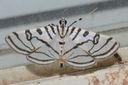
Zebra conchylodes moth (for C. ovulalis)
Species Guides
5- Conchylodes concinnalis(Double-ringed Conchylodes)
- Conchylodes diphteralis
- Conchylodes octonalis(Eight-barred Lygropia Moth)
- Conchylodes ovulalis(Zebra Conchylodes Moth)
- Conchylodes salamisalis(Blush Conchylodes Moth)
Conchylodes is a of snout moths in the Crambidae, comprising 21 recognized . The genus was established by Guenée in 1854 and is placed in the tribe Udeini. The genus Nonazochis, described by Amsel in 1956, was synonymized with Conchylodes, with its type species Azochis graphialis transferred to Conchylodes as Conchylodes graphialis. The genus includes the zebra conchylodes (Conchylodes ovulalis), noted for its distinctive black-and-white striped pattern.
Pronunciation
How to pronounce Conchylodes: /kɔnˈkiloʊdiːz/
These audio files are automatically generated. While they are not always 100% accurate, they are a good starting point.
Identification
The zebra conchylodes (Conchylodes ovulalis) can be identified by its distinctive black-and-white longitudinal wing stripes. Other in the require more detailed examination of wing pattern, genitalia, or other morphological features. The genus can be distinguished from related crambid genera by characters of the male and female genitalia and wing venation, though specific diagnostic features require expert examination.
Images
Habitat
vary by . Conchylodes ovulalis has been observed in mature white oak forest. Many species in the are associated with forested or wooded habitats, though specific habitat preferences for most species are not well documented.
Distribution
The occurs in the Americas, with distributed from the United States through Central and South America. Conchylodes ovulalis occurs in eastern North America. Specific distribution data for many species is limited.
Seasonality
activity periods vary by and region. Conchylodes ovulalis has been observed in late summer and early fall. Week observations suggest activity during July in some regions.
Behavior
of Conchylodes ovulalis have been observed resting on windows and other surfaces. Adults are attracted to light. The function of the bold striping in C. ovulalis is presumed to be camouflage, though experimental data is lacking.
Ecological Role
Larvae likely function as herbivores, though specific plants and ecological roles are poorly documented for most . may serve as prey for insectivorous birds and other .
Human Relevance
The zebra conchylodes (C. ovulalis) is occasionally noted in natural history observations for its distinctive appearance. The has no significant economic importance documented.
Similar Taxa
- Other Crambidae genera in tribe UdeiniSimilar overall ; distinguished by genitalia and wing pattern details
- Azochis (related genera in Spilomelinae)Formerly included now placed in Conchylodes; historical taxonomic confusion
More Details
Taxonomic history
The Nonazochis was synonymized with Conchylodes, with Azochis graphialis transferred to Conchylodes as Conchylodes graphialis. The genus contains 21 recognized .
Etymology
The specific epithet 'ovulalis' in C. ovulalis refers to the -shaped (ovoid) markings or overall wing shape.
Research needs
, larval plants, and detailed ecological data are lacking for most in the . The function of the bold striping in C. ovulalis has not been experimentally tested.
Sources and further reading
- BugGuide
- Wikipedia
- GBIF taxonomy match
- iNaturalist taxon
- NCBI Taxonomy
- Catalogue of Life
- September | 2022 | Beetles In The Bush
- Bug Eric: Thoh-Dah Prairie Bioblitz
- Bug Eric: Remembering Moth Week 2025
- Insecta | Beetles In The Bush | Page 5
- science | Beetles In The Bush | Page 5
- predator avoidance | Beetles In The Bush